
Norway rats will open a restrainer to release a trapped companion, which looks like a response to the other animal’s distress. If that is an evolved decision rule, it has to pay the helper somehow, and there are two classic ways: the trapped animal is a relative, or it will return the favor. Engelhardt and colleagues ran a two-stage experiment to separate them. Which one is doing the work?
The returned favor, with contributing nothing. Wild-type rats preferentially collaborated with the partners that had previously freed them from a trap, and those pairs then went on cooperating with each other. Relatedness had no effect at all on how willing a rat was to cooperate. The rats are recruiting partners by rather than by picking out kin.
Norway rats liberate trapped companions, working at a restrainer until the other animal is free. The behavior reads as an empathic response to a bad situation, and it has been taken that way, but describing a feeling does not explain why the trait survives.
If this is an reflecting an evolved decision rule, the helper has to gain something. The two standard sources are relatedness, through , and the expectation of future returns, through direct reciprocity. Neither had been examined for this behavior.
Engelhardt and colleagues built a two-stage experiment. In the first stage particular partners freed a rat from a trap. In the second, that rat chose who to collaborate with, and relatedness between the animals was varied separately so the two explanations would make different predictions.
The rats preferentially collaborated with the partners that had freed them, and those pairs subsequently cooperated with each other, which points at expected future benefits behind the original rescue. Relatedness had no effect on cooperative propensity. On this evidence the mechanism behind rats liberating each other is reciprocal altruism rather than kin selection.
wat. The rat remembered who opened its door, and it was not looking at the family tree.
wat wat
Helping behavior that looks like empathy gets explained either by kinship or by reciprocity, and these two accounts predict different partners. The rats chose the ones who had helped them.
How do we know?
Engelhardt, Paulsson and Taborsky ran a two-stage experiment: rats were freed from a trap by particular partners, then given the chance to choose collaborators, with relatedness varied independently.
What is still unknown
Laboratory rats on a structured two-stage task, where the helper is easy to identify and meet again. In a larger wild population, where the same pair might never interact twice, the arithmetic looks different.
Learn something?
Where to next
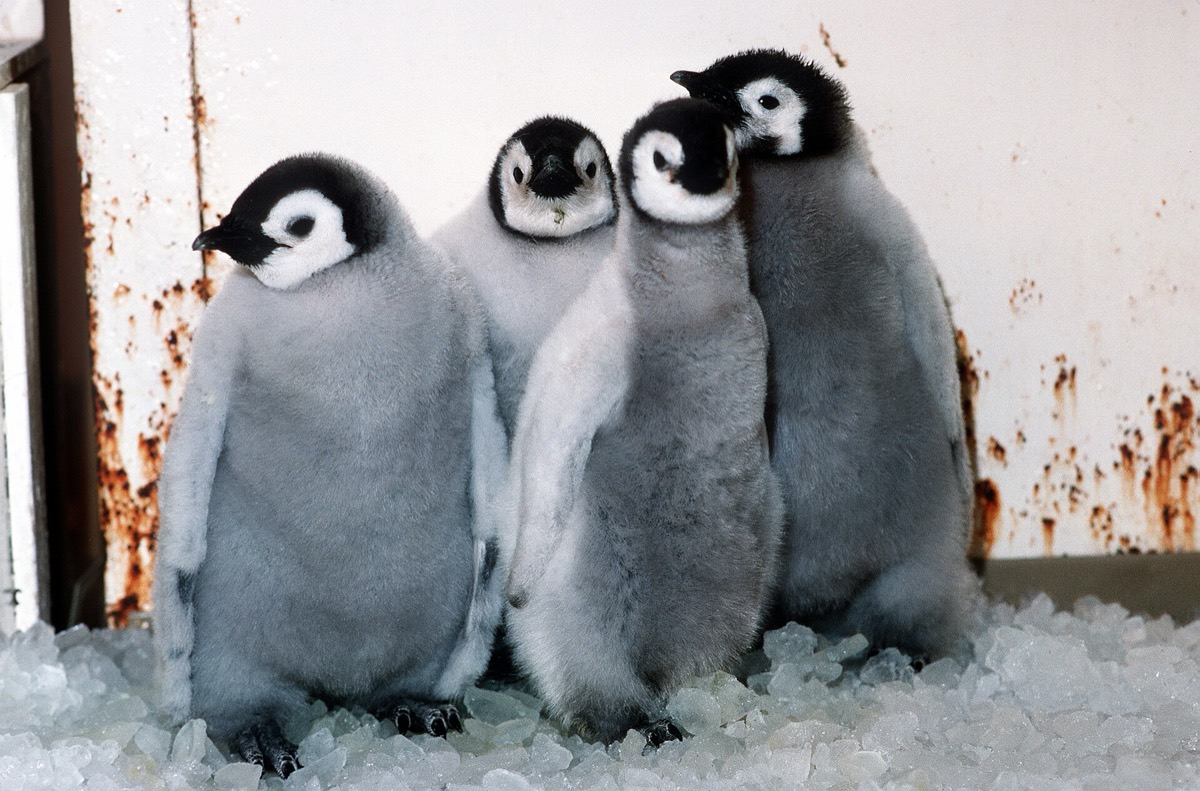 How do penguins decide who has to stand on the cold outside?behavior
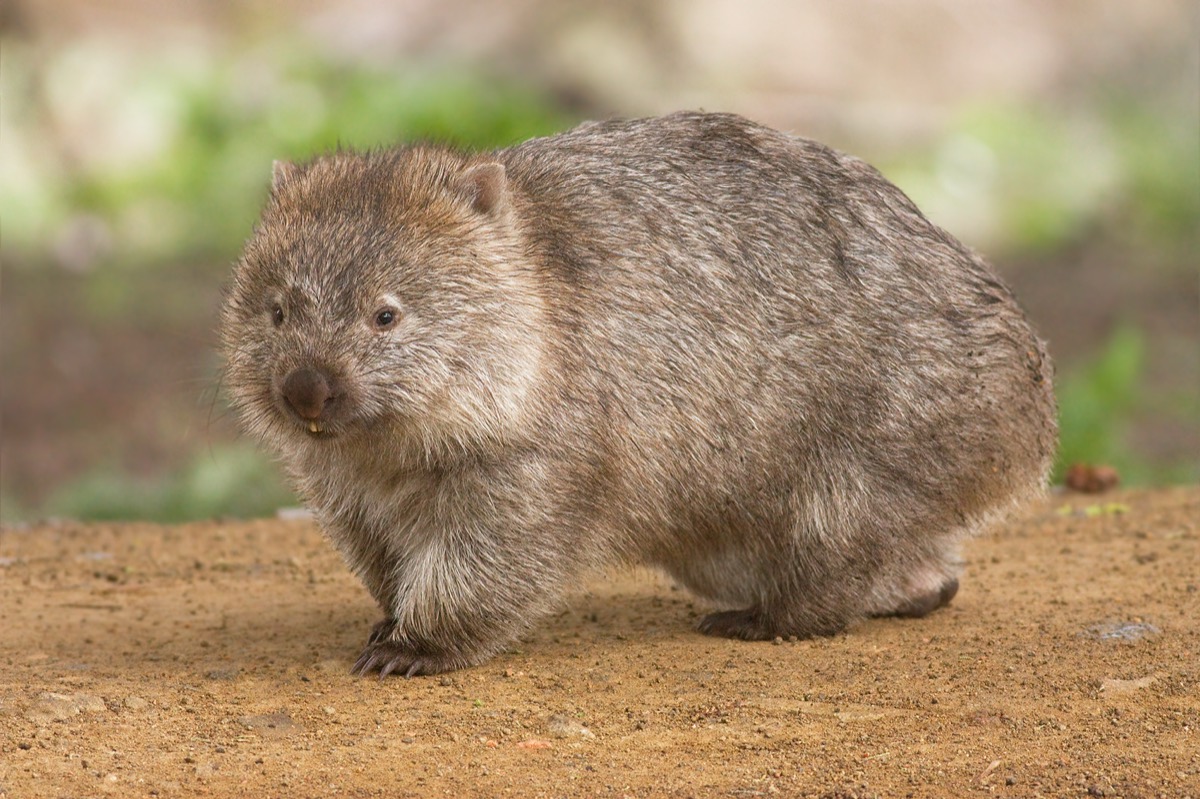 Why does a wombat go to the trouble of leaving its mark up high?behavior
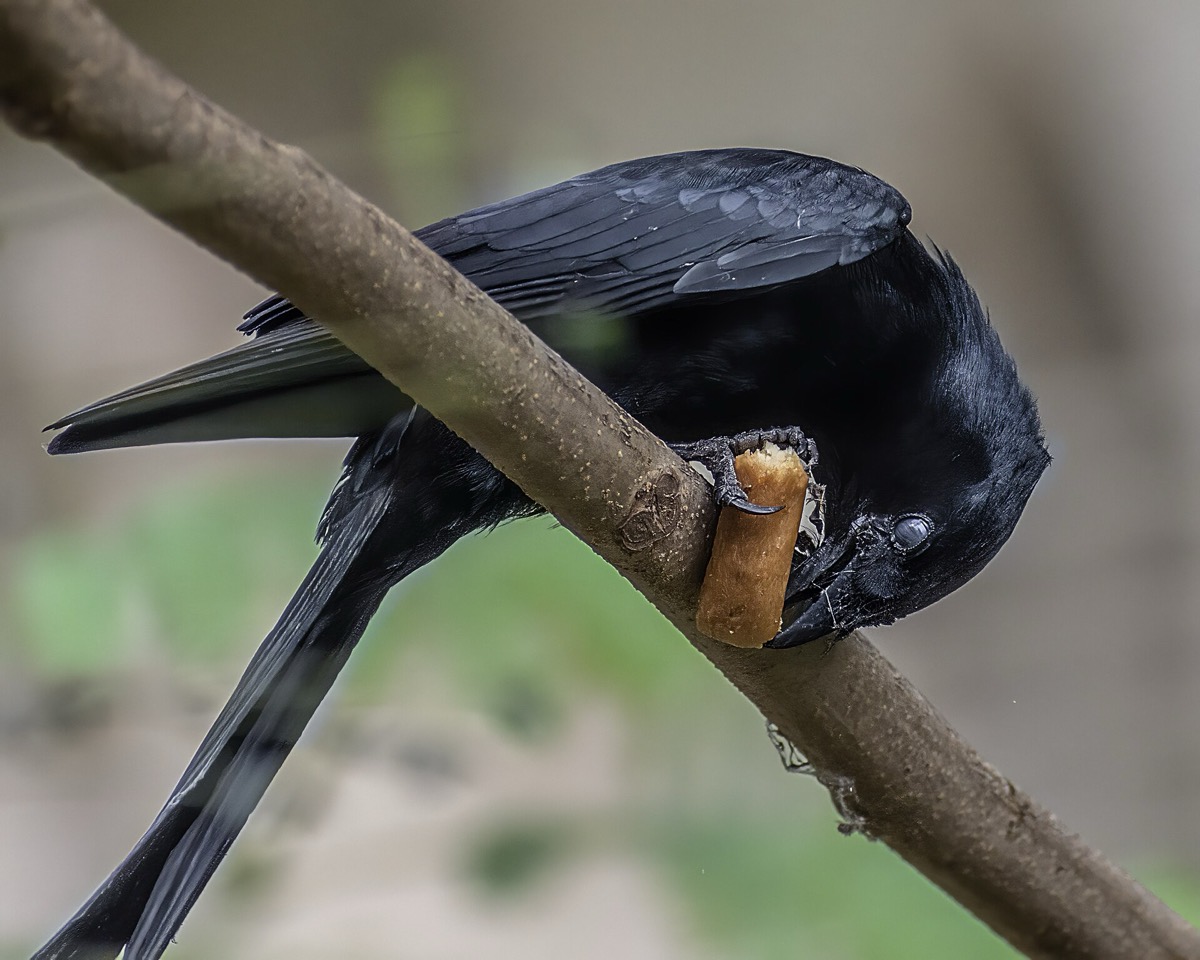 Is handedness something only humans have?behavior