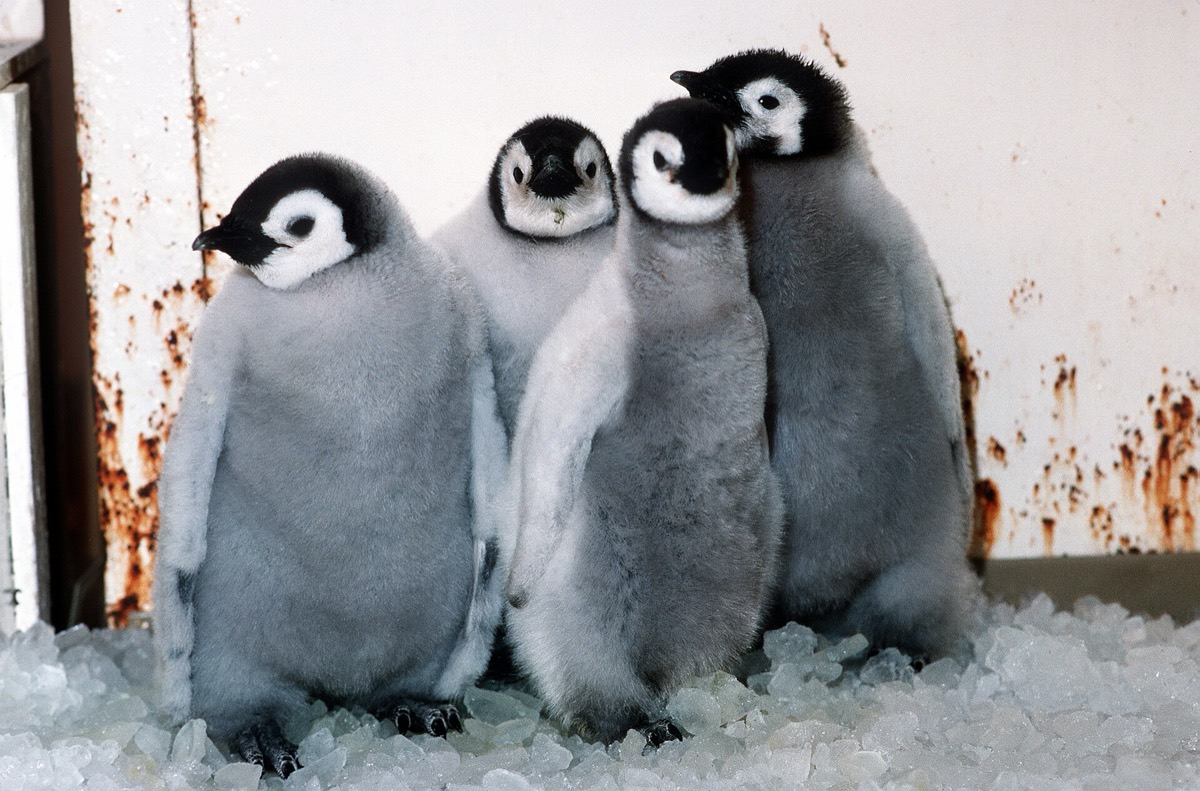
An stands through an Antarctic winter at extreme temperatures, so the males press together into a dense mass that is tens of degrees warmer inside. Whoever is on the edge takes the wind. How does anyone decide who stands there?
Nobody does. Time-lapse footage shows the mass is not static: every few minutes a tiny wave of movement passes through it, each bird advancing a few centimeters, and the accumulation shifts everyone’s position continuously. The ones outside roll gradually inward and the ones inside come out. It looks like an organized rota and nothing is organizing it.
The problem solves is worse than it sounds. An incubating male does not eat for about two months, so every calorie he spends on heating is a calorie missing at the end. The dense mass saves an enormous amount of energy, and thermometers inside it read above freezing.
Except that the mass immediately creates a new problem: whoever is on the outer edge is exposed to the wind and pays the price. If the positions were fixed, those birds would freeze while others were comfortable, and that is not a situation that would hold.
What time-lapse filming revealed is that the crowd is not static in the least. Every few minutes a tiny wave of movement passes through it: one bird advances a few centimeters, the neighbor behind follows, and the motion spreads through the whole mass as a . The accumulation of those minute steps rolls the outside in and the inside out.
And here is the real lesson. The outcome looks like a fair, organized rota, and there is no reason to assume anyone is running it. Each penguin is simply trying to get closer to the warmth, and the fairness is of the geometry. This is an observation of an outcome rather than proof of an intention, and that is exactly why it is an interesting model for crowd movement.
wat. Every few minutes a wave of a few centimeters runs through the huddle, and out of that comes a rotation that carries the frozen ones inside.
wat wat
It is behavior that looks like organized fairness and comes out of simple local rules, which makes it a model for studying crowd movement.
How do we know?
Time-lapse filming of whole huddles over hours, with computer analysis of how individuals move inside the crowd, revealed the traveling waves.
What is still unknown
This is an observation of an outcome, not proof of an intention. A single penguin is most likely only trying to get closer to the warmth, and the fairness is a by-product.
Learn something?
Where to next
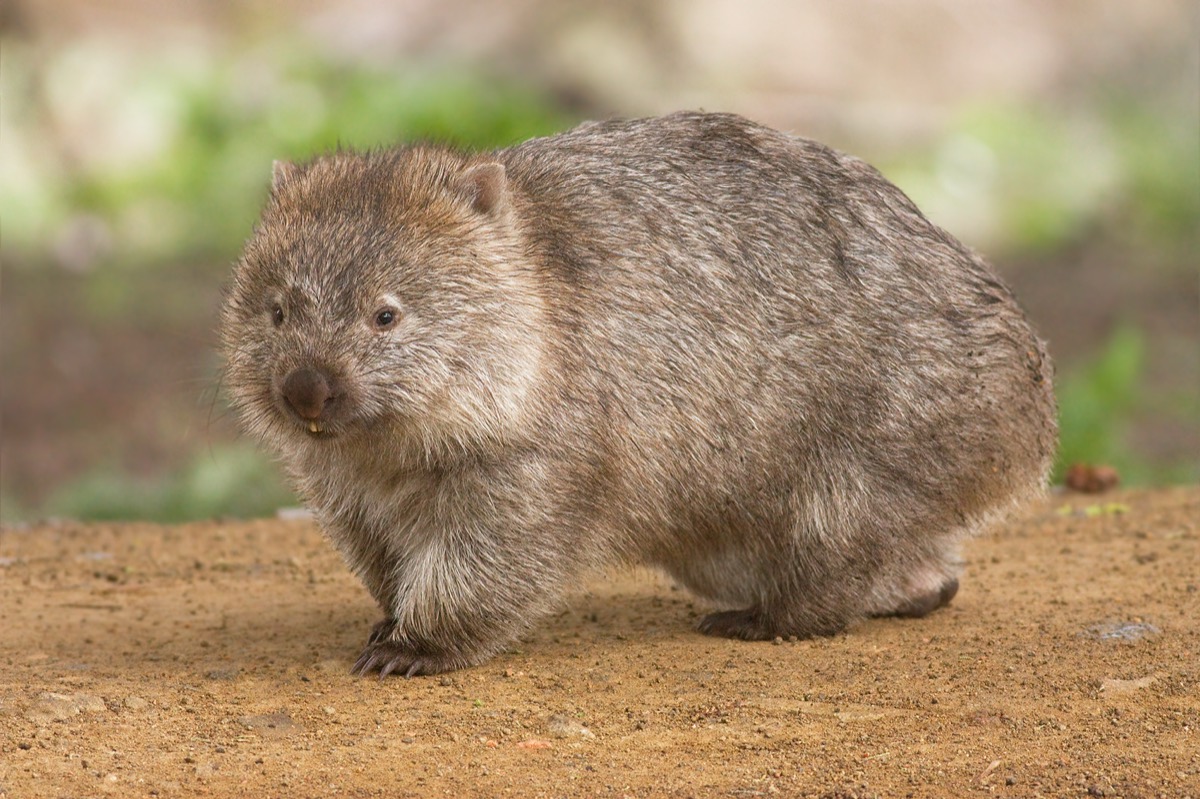 Why does a wombat go to the trouble of leaving its mark up high?behavior
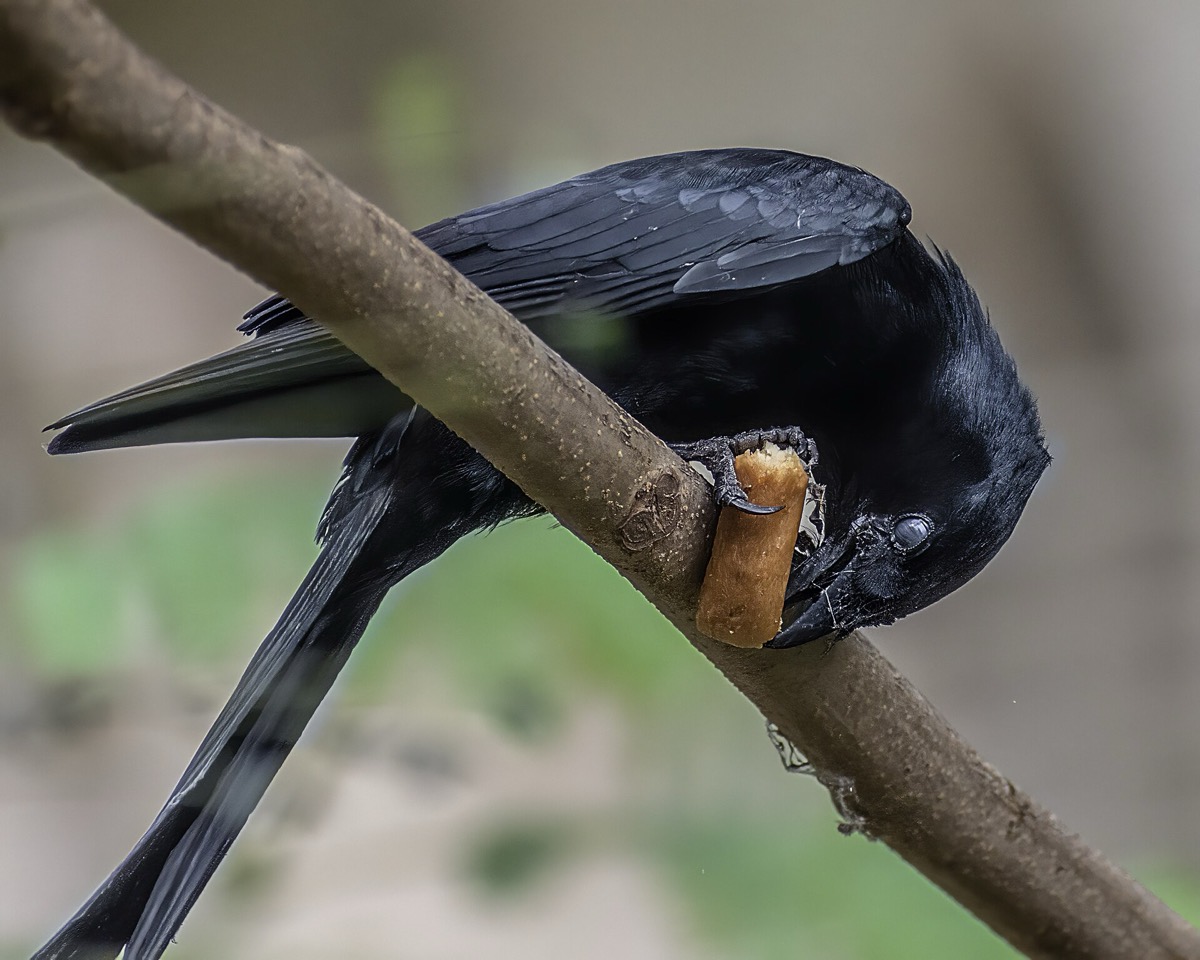 Is handedness something only humans have?behavior
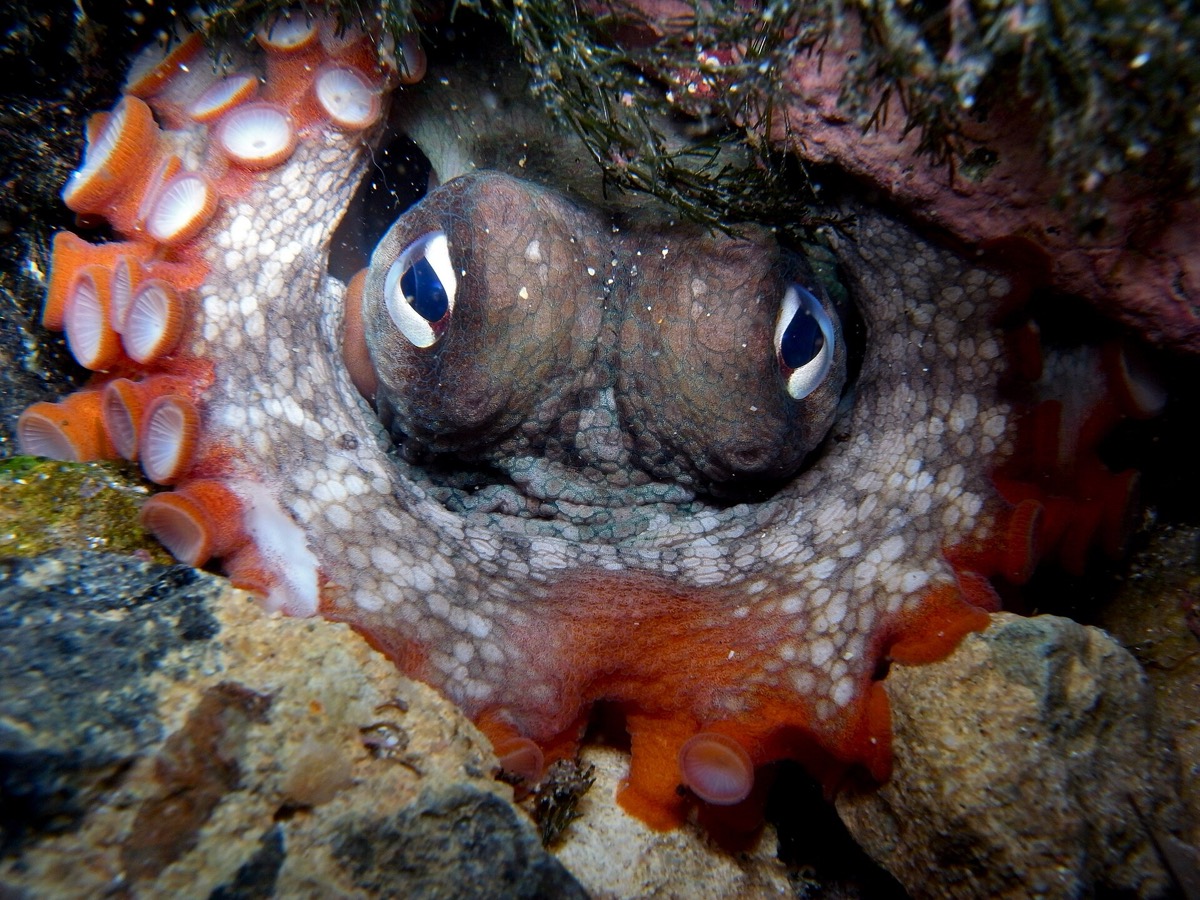 Is an octopus throwing silt at a neighbor, or just tidying up?behavior