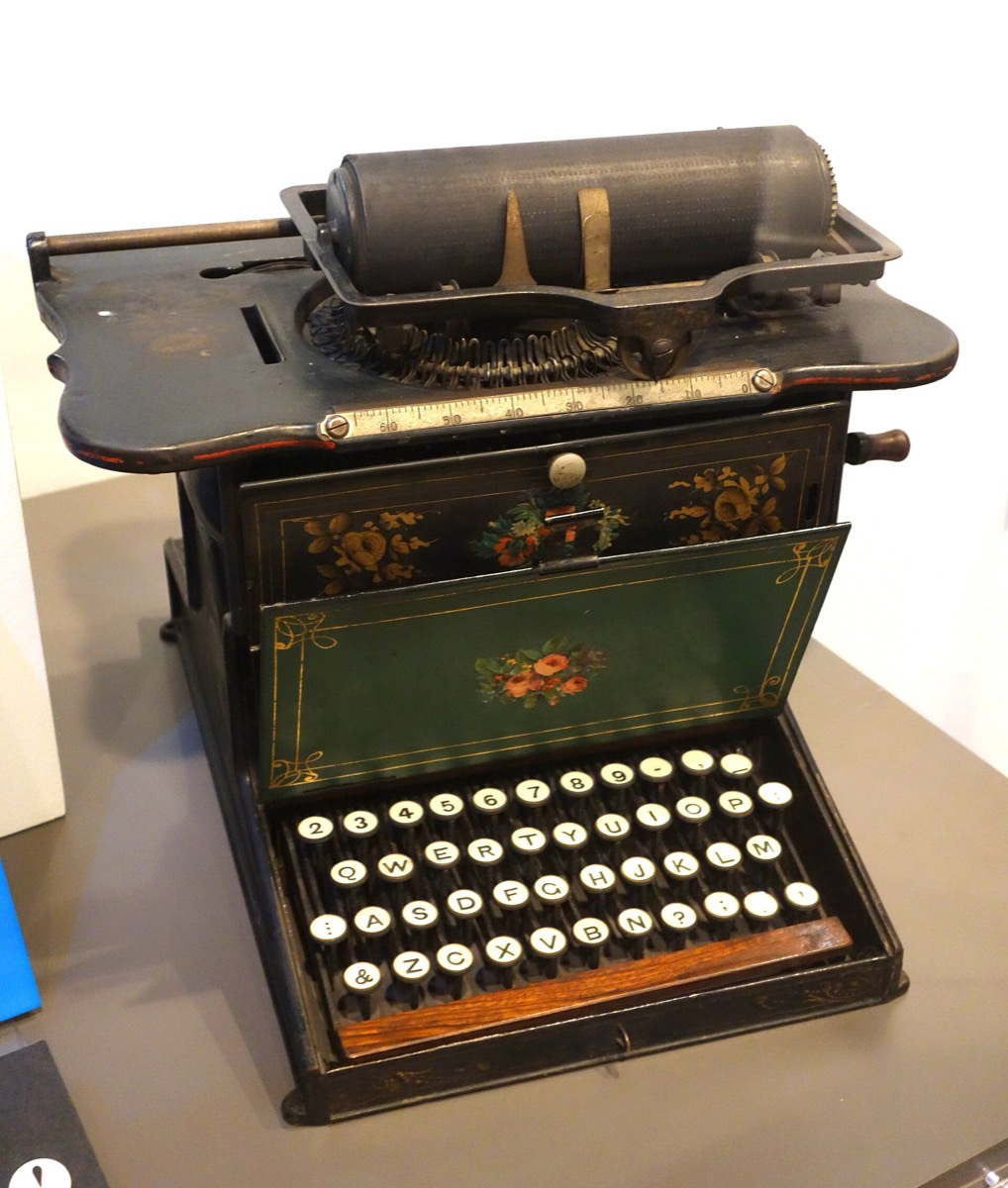
The story is repeated everywhere: early typewriters jammed when neighboring were struck in quick succession, so Christopher Latham Sholes scattered the common letter pairs to slow typists down. It explains an awkward layout that has survived 150 years of better ideas. It also has a problem sitting right in the middle of the keyboard. What does the layout itself say?
The jam story does not fit the keys. If QWERTY maximized the separation of common letter pairs, then e and r would not be adjacent, since er is the fourth most common pairing in English. A 2011 paper by Koichi and Motoko Yasuoka tracked the keyboard’s evolution against its early professional users and concluded the typewriter’s mechanics did not drive the design. did.
In the 1860s Christopher Latham Sholes, a Milwaukee politician, printer and amateur inventor, developed an early typewriter, patented in 1868 with colleagues. Its keyboard resembled a piano, with about two dozen keys in alphabetical order, which the team presumably assumed was the most efficient arrangement since anybody would know where to find a letter.
The popular theory says mechanical failure forced a redesign. The type bars hung beneath the paper, and typing a quick succession of letters whose bars sat near each other would jam the machinery, so Sholes supposedly separated common sequences such as th and he. In theory the resulting system should maximize the separation of common pairings.
It does not. The e and r keys sit right next to each other, and er is the fourth most common in English. One early prototype swapped r with the period key, addressing exactly that problem, and the design appears to have been scrapped.
A 2011 paper by Koichi Yasuoka and Motoko Yasuoka of Kyoto University tracked the keyboard’s evolution alongside a record of its early professional users. They concluded that the mechanics of the typewriter did not influence the design. QWERTY emerged in response to telegraph operators, who found the alphabetical arrangement inefficient for transcribing Morse. The researchers add a direct argument against the slowing story: a Morse receiver must keep pace with the sender, so a keyboard built to slow the operator would have made them unable to keep up. Remington popularized the layout, and the 1893 merger that formed the fixed it as standard.
wat. If QWERTY were built to separate common letter pairs, e and r would not be neighbors, and they are.
wat wat
The replacement explanation is better than the myth. Operators transcribing Morse needed certain letters near each other, so the people using the machine shaped the keyboard rather than the machine shaping them.
How do we know?
Smithsonian Magazine traces the layout from Sholes’s 1868 patent through the Remington manufacturing agreement and the 1893 Union Typewriter merger, and sets the jamming theory against the Yasuoka and Yasuoka analysis of early users.
What is still unknown
This is a magazine account of a contested history, and it says so. The origin has long been debated, the jamming theory is described as contentious rather than refuted, and the Yasuoka argument is one analysis of the record.
Learn something?
Where to next
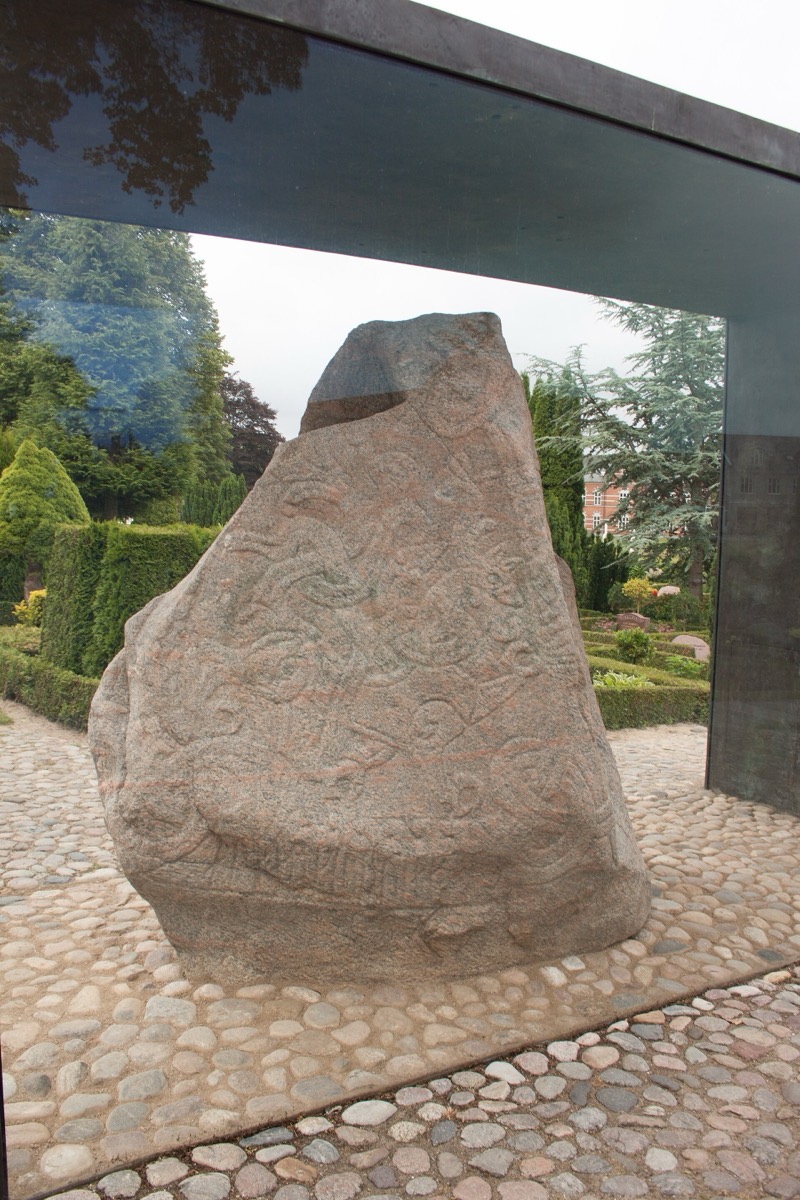 Why is a wireless standard named after a tooth?history of technology
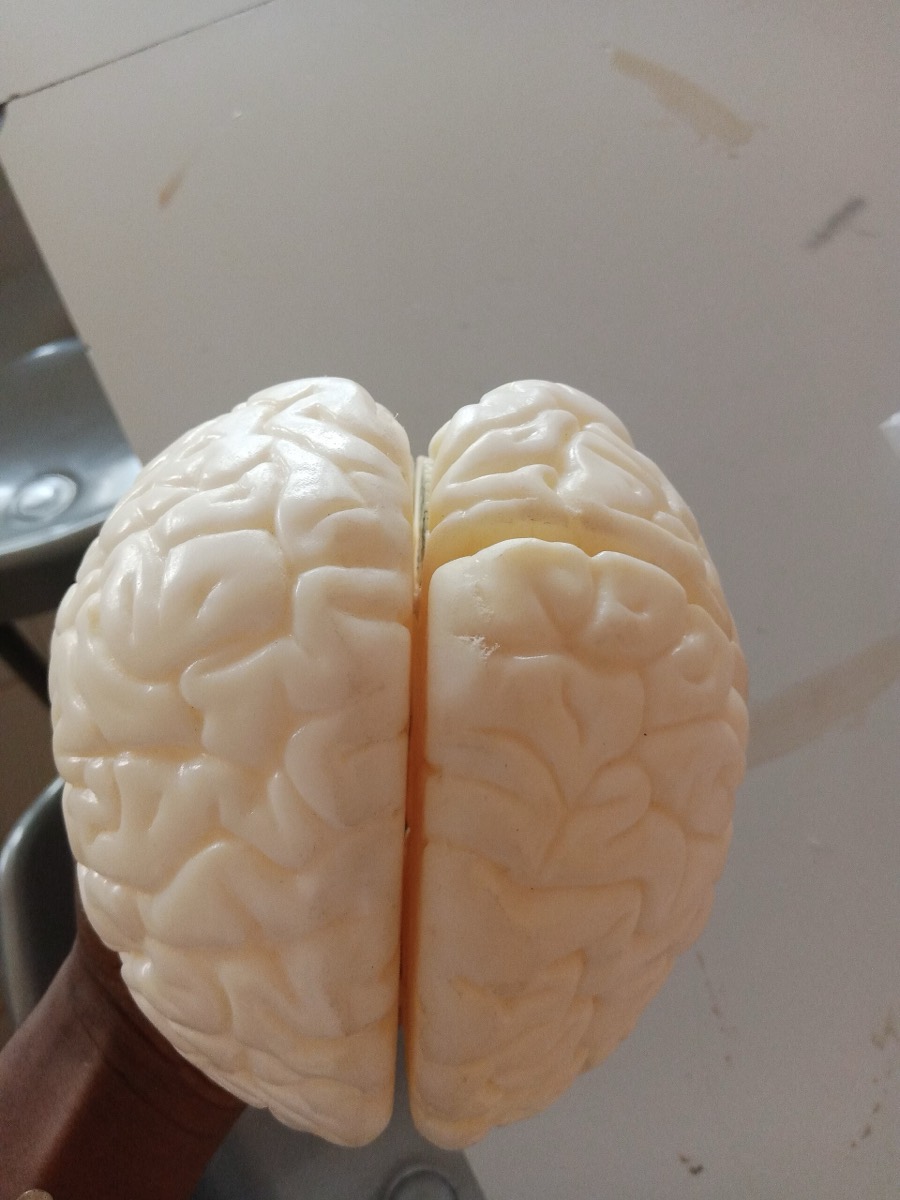 Are some people really "right-brained" and others "left-brained"?myths
 You were told cracking your knuckles causes arthritis. What did they find?myths