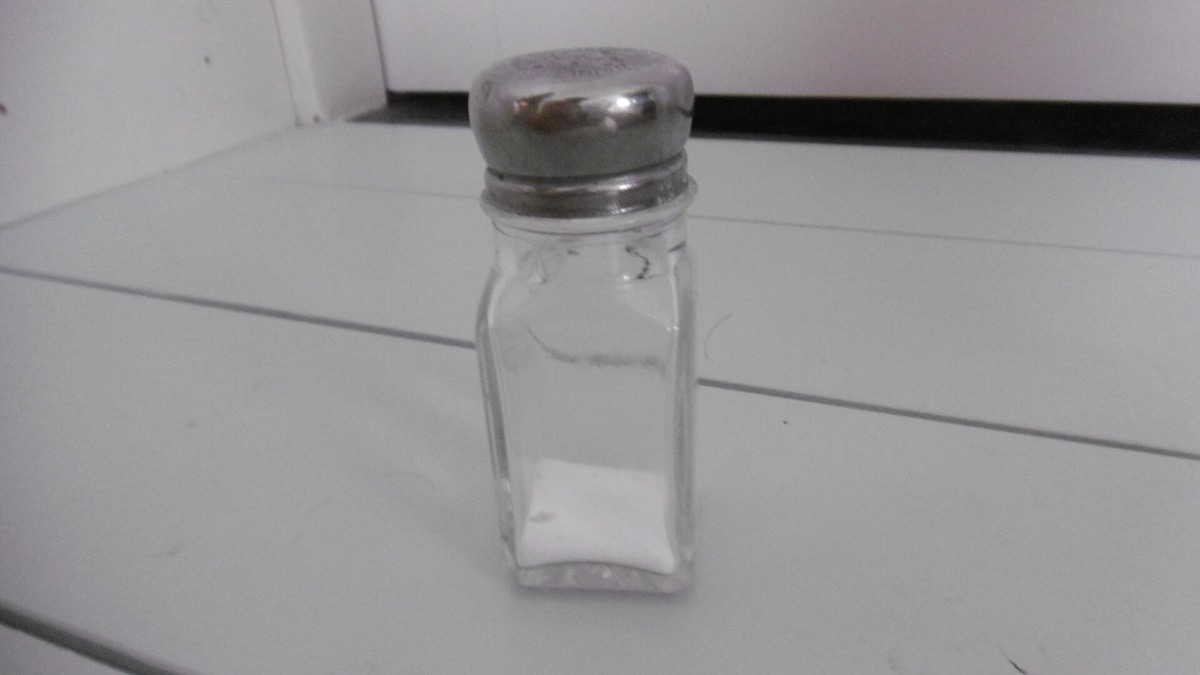
cut the sodium and add potassium, and they reliably lower blood pressure. Blood pressure is not an outcome anybody suffers, so the question is whether the swap prevents events, and whether the added potassium hurts anyone. So 600 villages in rural China were randomized, covering 20,995 people who had either had a stroke or were over 60 with high blood pressure. Nearly five years later, what happened?
Fewer strokes, fewer cardiovascular events, fewer deaths. Over a mean 4.74 years, stroke ran at 29.14 events with the substitute against 33.65 with regular salt, a rate ratio of 0.86. Major cardiovascular events fell from 56.29 to 49.09 per 1000 person-years, a rate ratio of 0.87, and death from any cause was lower too. The intervention was changing which packet people cooked with.
Salt substitutes lower blood pressure. That has been shown repeatedly, and it is not the question that matters, because patients do not experience blood pressure. They experience strokes. Whether the swap prevents those, and whether loading the diet with potassium harms anyone, was uncertain.
The trial was open-label and across 600 villages in rural China. Participants had either a history of stroke or were 60 years of age or older with high blood pressure. Villages were assigned one to one to a substitute of 75 percent sodium chloride and 25 percent potassium chloride, or to continue with regular salt. In total 20,995 people enrolled, mean age 65.4 years, 49.5 percent female, with 72.6 percent having had a stroke and 88.4 percent a history of hypertension.
Mean follow-up ran 4.74 years. Stroke, the primary outcome, occurred at 29.14 events per 1000 person-years with the substitute against 33.65 with regular salt, a rate ratio of 0.86, with a 95 percent interval from 0.77 to 0.96. Major cardiovascular events fell from 56.29 to 49.09 per 1000 person-years, a rate ratio of 0.87, and death from any cause was lower as well.
Note who was studied and where. These were high-risk people, most of them stroke survivors, in a setting where salt is mostly added during cooking at home, which is why swapping the packet works as a lever at all. was the prespecified safety outcome, and in a diet where the sodium arrives already inside packaged food, neither the benefit nor the exposure would look the same.
wat. Replacing a quarter of the sodium in village kitchens with potassium cut the stroke rate by about a seventh over five years.
wat wat
Almost nothing in prevention is this cheap. A product swap, requiring no clinic visit and no adherence to a pill, moved hard outcomes in a population of twenty thousand people.
How do we know?
Neal and colleagues ran an open-label, cluster-randomized trial in 600 rural Chinese villages, assigning them to a substitute of 75 percent sodium chloride and 25 percent potassium chloride, or to regular salt. Stroke was the primary outcome.
What is still unknown
An open-label trial in people who were already high risk, with 72.6 percent having had a stroke, in a setting where most salt is added during home cooking. The benefit need not transfer to a diet where the sodium arrives in packaged food.
Learn something?
Where to next
 Can a mirror help a paralysed arm move again?stroke
 What is left of the Mediterranean diet trial after its own authors withdrew it?stroke
 Cut the salt or change the whole diet: which lowers blood pressure more?blood pressure