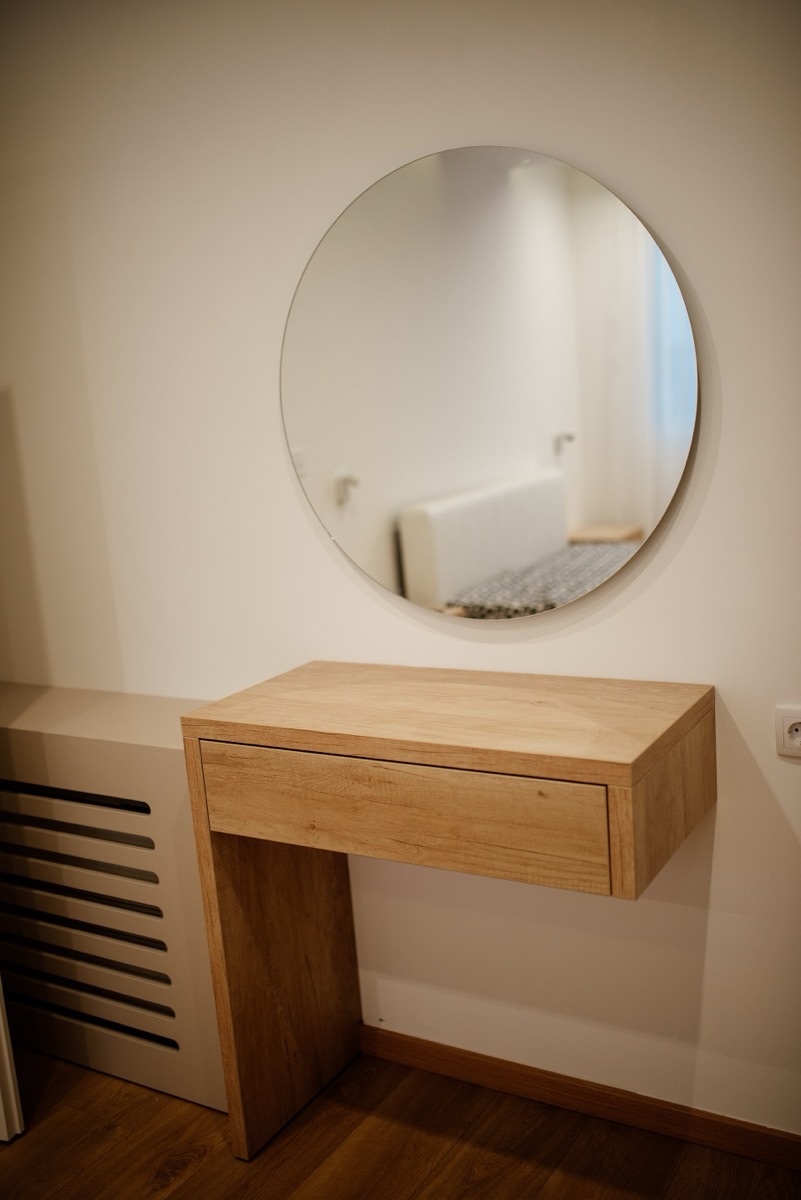
In mirror therapy a mirror sits in the person’s , so that movements of the unaffected side are reflected as if they belonged to the affected one. It is used after stroke to improve motor function, and the treatment is a visual trick rather than an exercise. Does it work?
Moderately, on . Pooling 62 studies with 1,982 participants, mirror therapy had a significant positive effect on motor function and on compared with all other interventions, and it may improve activities of daily living. The effect on motor function depends on which control the trials used.
During mirror therapy a mirror is placed in the person’s midsagittal plane, reflecting movements of the non-paretic side as if it were the affected side. The review set out to summarize its effectiveness against no treatment, placebo or sham therapy, or other treatments.
The search was thorough: the Cochrane Stroke Group’s Trials Register, CENTRAL, MEDLINE, Embase, CINAHL, AMED, PsycINFO and PEDro to August 2017, plus handsearched conference proceedings, trial and research registers, reference lists, and contact with trialists.
Sixty-two studies with 1,982 participants were included, of which 57 were randomized controlled trials and five randomized cross-over trials. Participants had a mean age of 59 years, and therapy ran on average five times a week, 30 minutes a session, for four weeks.
Against all other interventions, moderate-quality evidence shows a significant positive effect on motor function and on motor impairment, and moderate-quality evidence that daily living may improve. Effects on motor function are influenced by the type of , and the positive effect on pain rests on low-quality evidence.
wat. Reflecting the working hand into the place of the weak one measurably improved movement.
wat wat
Rehabilitation after stroke is short of treatments that work, and this one needs a mirror.
How do we know?
Thieme and colleagues searched eight databases plus conference proceedings and trial registers to August 2017, then pooled 57 randomized controlled trials and five randomized cross-over trials.
What is still unknown
The evidence for motor function and daily living is moderate quality, the pain finding is low quality, and the size of the effect shifts with the comparison treatment.
Learn something?
Where to next
 Can swapping the salt in the kitchen prevent a stroke?stroke
 What is left of the Mediterranean diet trial after its own authors withdrew it?stroke
 Can someone blind from birth learn to aim their eyes after sight is restored?rehabilitation