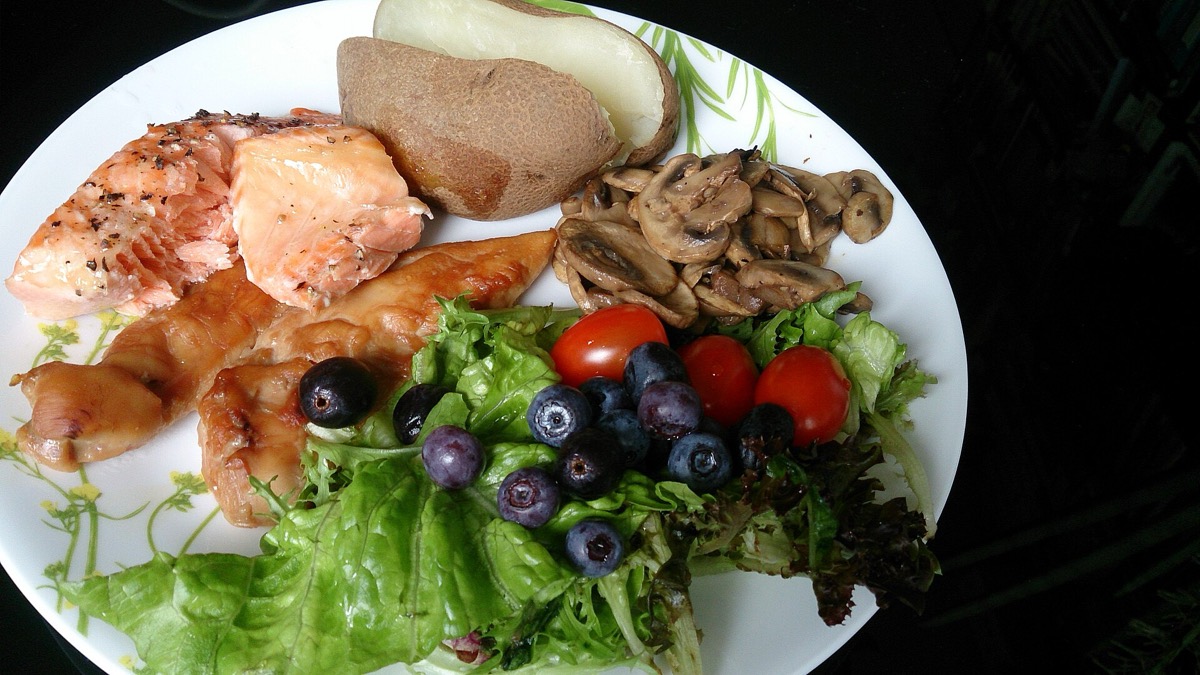
Two dietary strategies for blood pressure had each been tested alone. Reducing sodium is one, and the DASH pattern, rich in vegetables, fruit and low-fat dairy, is the other. Nobody had crossed them. So 412 participants were randomized to the or a control diet typical of American intake, and then ate high, intermediate and low sodium within that diet for 30 days each, .
Both worked, and together they worked better. Cutting sodium from the high to the alone lowered by 2.1 millimeters of mercury. The authors conclude that reducing sodium below the then-current recommendation and adopting the DASH diet each lower blood pressure substantially, with greater effects in combination than singly. That held in participants with and without hypertension.
The effect of what people eat on their blood pressure is a question of straightforward public health importance, and two answers had been established separately. Reducing dietary sodium lowers blood pressure. So does the DASH diet, an eating pattern rich in vegetables, fruits and low-fat dairy products. What nobody had tested was the two at once.
A total of 412 participants were randomly assigned to eat either the DASH diet or a control diet typical of intake in the United States. Within whichever diet they had been assigned, each person then ate foods at high, intermediate and low sodium levels for 30 consecutive days each, in random order. The study included people with and without hypertension.
Reducing sodium intake from the high to the intermediate level reduced systolic blood pressure by 2.1 millimeters of mercury. That is one step on a three-step scale, which is worth keeping in mind when the figure is quoted as though it were the whole effect of cutting salt.
The conclusion the authors draw is about the combination. Reducing sodium below the recommendation current at the time, and following the DASH diet, both lower blood pressure substantially, and the effects are greater together than separately. They also name the catch themselves: long-term health benefits depend on whether people can sustain such changes, and on lower-sodium foods being available to buy. And blood pressure remains a marker rather than an event.
wat. Salt reduction and the DASH pattern each pulled blood pressure down, and doing both pulled it down further than either alone.
wat wat
Advice usually arrives as a single lever: eat less salt, or eat more vegetables. This design shows the two are not alternatives, and that stacking them beats either one.
How do we know?
Sacks and colleagues randomized 412 participants to the DASH diet or a control diet. Each person then ate high, intermediate and low sodium levels for 30 consecutive days each, in random order, with all food provided.
What is still unknown
The outcome is blood pressure, a surrogate rather than a stroke or a heart attack. The authors say plainly that long-term benefit depends on people sustaining the change and on lower-sodium foods being available.
Learn something?
Where to next
 Can swapping the salt in the kitchen prevent a stroke?blood pressure
 Half an hour in a park. Does it really do something to the body’s numbers?blood pressure
 Does tightening a pressure cuff before training really improve performance?blood pressure