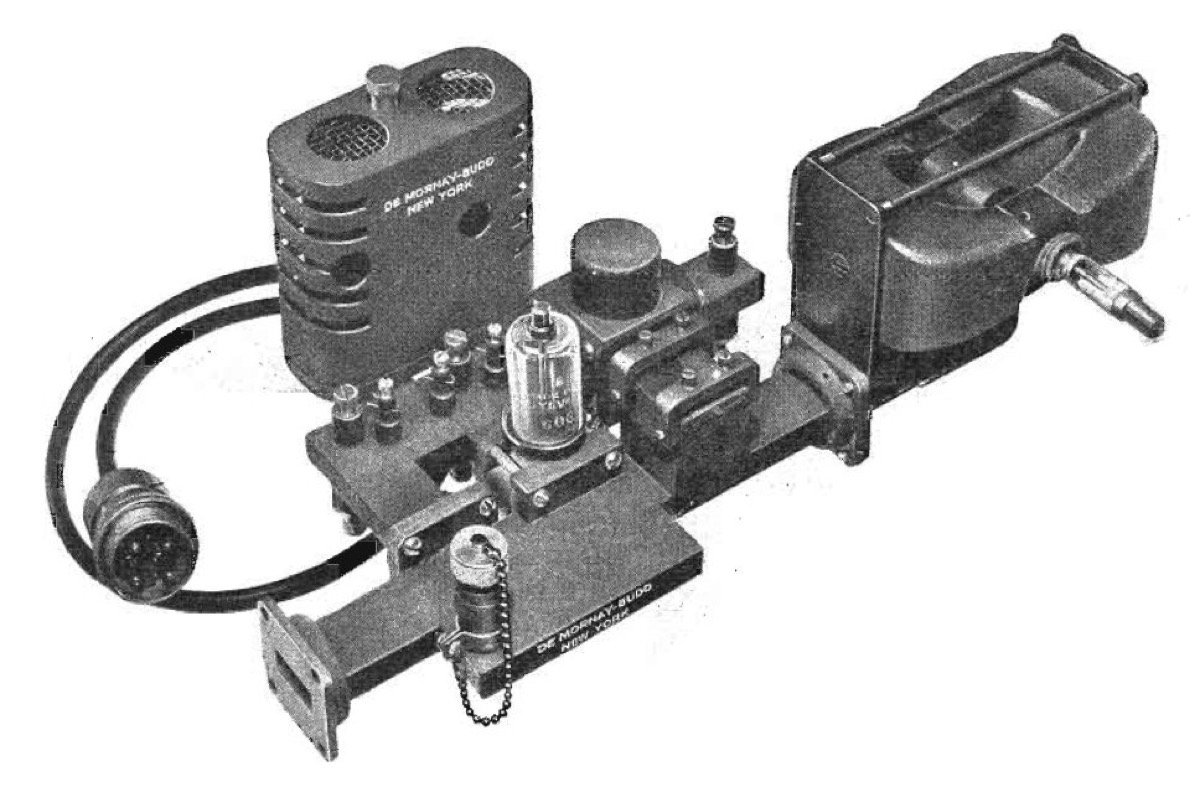
Percy Spencer left school in the fifth grade, taught himself electrical engineering from books while working at a paper mill, and ended up at Raytheon solving the hardest manufacturing problem of the radar war. production ran at about twenty a day when he started on it. In nineteen forty-five, testing an active magnetron, he found a candy bar in his pocket had melted. What did he do next?
He fetched popcorn. Spencer put kernels near the magnetron and they popped, which confirmed that microwaves could penetrate food and heat it quickly. A follow-up test with an egg ended in a burst shell and a clear conclusion. Raytheon filed a patent for a microwave cooking process later that year. Others may have noticed the same thing before and never capitalized on it.
Spencer was orphaned at eighteen months, raised by an aunt and uncle in rural Maine, and left school in the fifth grade to help support his family. He taught himself electrical engineering from books while working at a paper mill, later joined the Navy and learned wireless communications, and rose to prominence at Raytheon.
His wartime work was unglamorous and decisive. Magnetrons, the vacuum tubes powering Allied radar, were notoriously hard to manufacture, and only about twenty a day could be made. Spencer went after a simpler and more efficient way to produce them, and output rose to two thousand six hundred a day.
In nineteen forty-five, while testing an active magnetron, he noticed a candy bar in his pocket had melted. Where others might have dismissed it as a quirk of the equipment, he put popcorn kernels near the magnetron and watched them pop, then tried an egg, which burst. Raytheon filed a patent for a microwave cooking process later that year.
Getting from there to a kitchen took decades. The nineteen forty-seven was nearly six feet tall and cost about five thousand dollars; the of nineteen fifty-five, the first intended for homes, still cost one thousand two hundred and ninety-five. around the oven door were an early obstacle, costly and only marginally effective at first. Progress otherwise came from semiconductor advances, magnetron miniaturization and, by the early nineteen seventies, Japanese mass production of cheap magnetrons. By nineteen seventy-five microwaves were outselling gas ranges.
wat. Plenty of people have had something melt in a pocket. One of them went and got popcorn.
wat wat
The discovery is usually told as luck. The useful part is what Spencer already had in his head: years of working on exactly the device that was melting his pocket.
How do we know?
An article by Crystal Ponti for HISTORY draws on the National Inventors Hall of Fame, McGill University’s Office for Science and Society and the International Microwave Power Institute.
What is still unknown
A popular history assembled from expert interviews. The melted candy bar story comes down through retelling, and the article itself notes that others may have observed the effect without acting on it.
Learn something?
Where to next
 How long did the first photograph take to expose?invention
 How does a glue that does not stick properly become a product?invention
 How does the planet closest to the Sun keep water ice?radar