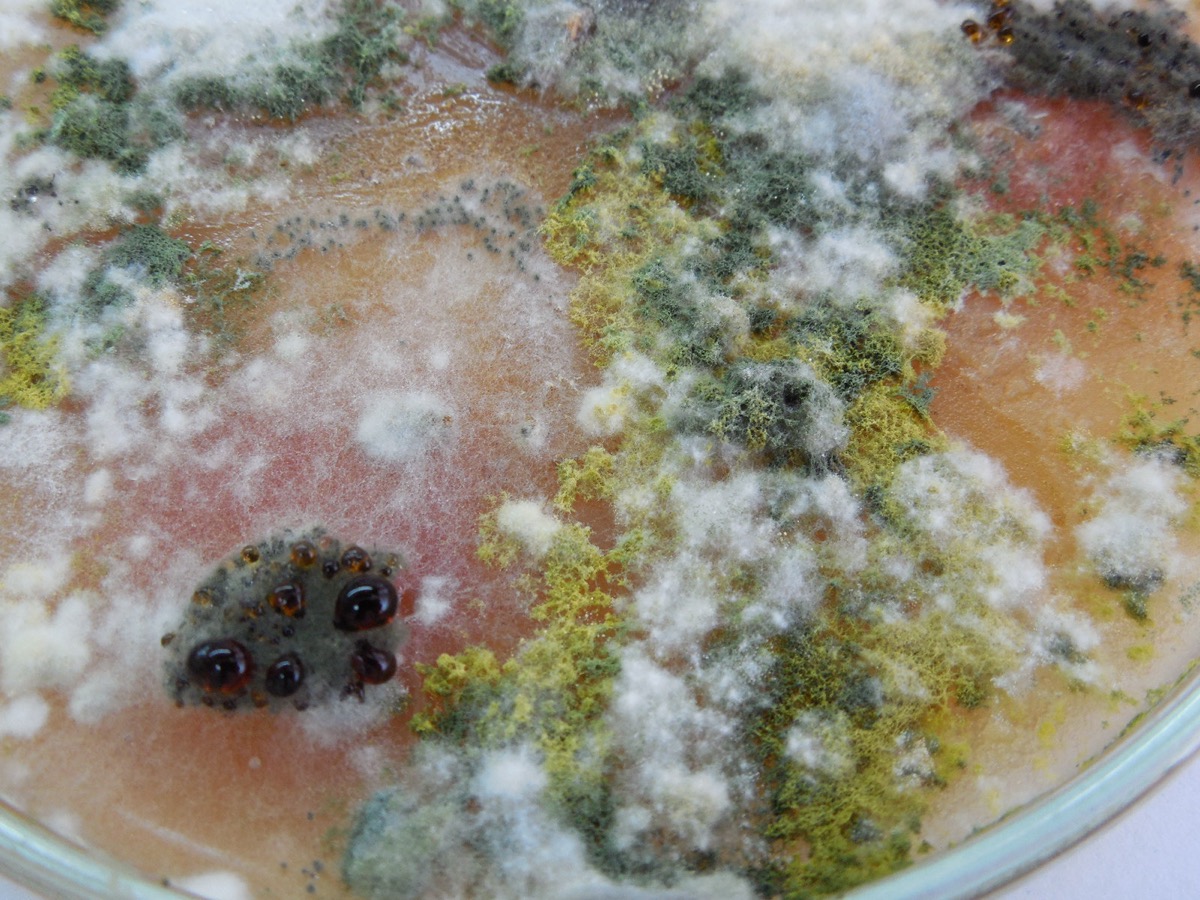
In 1928 came back from holiday and found that one of the Petri dishes he had left out was contaminated with a mold. Around the patch of mold no bacteria grew, while the rest of the dish went on filling with them. What did he manage to do with that, and what did he not?
He found it and could not make it. Fleming isolated from the mold a substance he called penicillin and published the finding, and he could not produce or purify a useful quantity of it. Only about a decade later did develop a method for mass production, which turned an accidental discovery into the first drug that saved millions of lives.
The story is usually told as pure luck, and it is more complicated. Fleming did come back from holiday in 1928 and find a Petri dish he had left contaminated with a mold. No bacteria grew around the patch, while the rest of the dish filled with them.
But he did not meet it out of indifference to the subject. He had served in military medicine and watched soldiers die of wound infections, and he was deliberately looking for a substance that kills bacteria. A contaminated dish would have been thrown out without a thought in any other laboratory, and here it met a person looking for exactly that.
What he could not do was turn an observation into a drug. Penicillin is delicate and unstable, and isolating a purified quantity turned out to be a hard chemical problem. had to be manufactured, not merely noticed. Fleming published, tried for years, and abandoned it.
The decisive chapter came about a decade later, when Florey and Chain at Oxford solved purification and production under wartime conditions and moved industrial manufacture to the United States. , which Fleming warned about in the same years, came later still. That is what turned the accident into the first drug that saved millions. It also makes the story a different lesson from the usual one: the discovery was accidental, and turning it into a drug was ten years of work by other people.
wat. About ten years passed between the patch that stopped bacteria in a dish and a drug that could be given to a patient.
wat wat
This is the turning point that opened the age of antibiotics and changed the chance of surviving a simple bacterial infection, until antibiotic resistance began eating into the achievement.
How do we know?
Fleming’s original documentation from 1928 survives, and the scientific sequel is recorded in the Nobel lectures of Fleming, Florey and Chain in 1945.
What is still unknown
The discovery itself was accidental and did not lead straight to a drug. The critical stage of producing and purifying it in quantity took another ten years and required an entirely different team.
Learn something?
Where to next
 What does milking cows have to do with the first vaccine in history?medicine
 What changed for a diabetic child in nineteen twenty-two?medicine
 What happened to the first man to receive another person’s heart?medicine