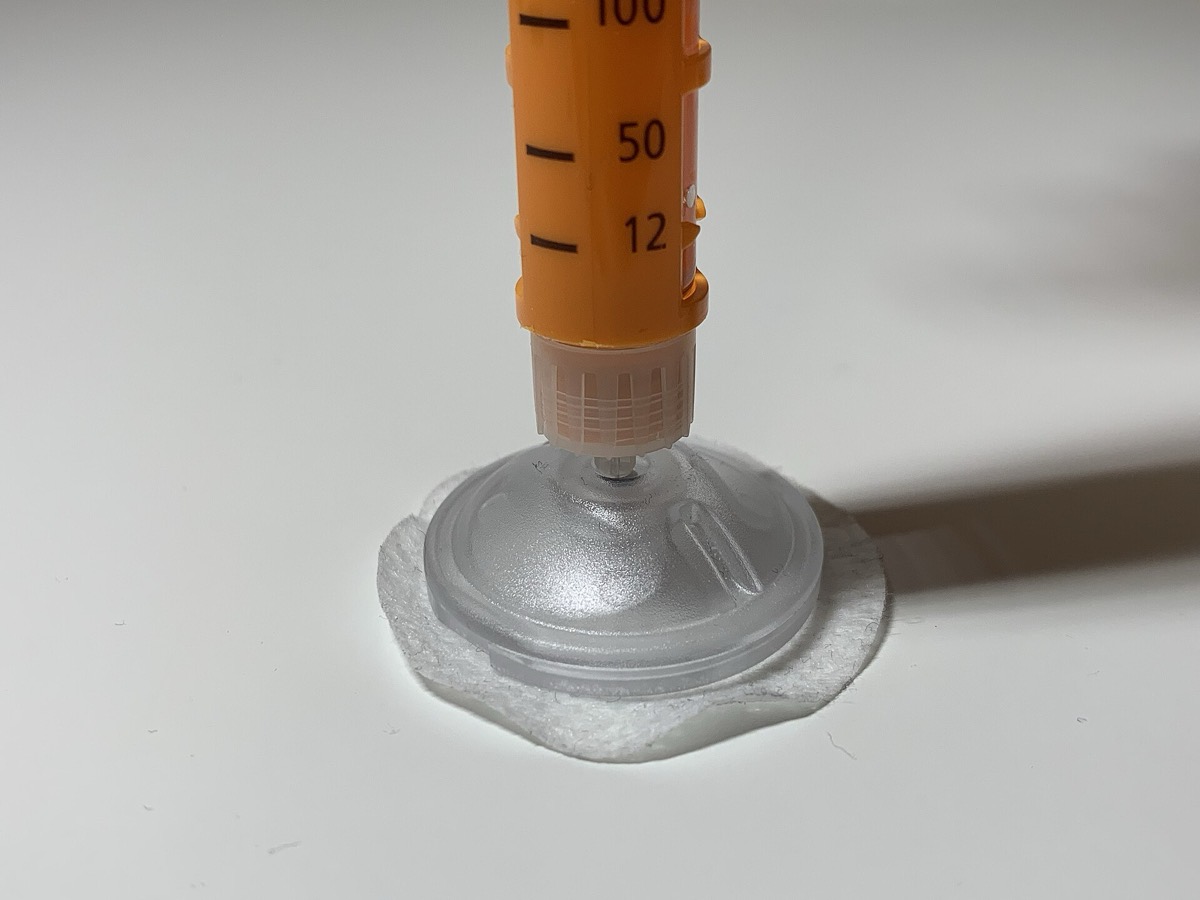
Doctors had long suspected the pancreas secreted something that controlled carbohydrate metabolism, and several groups early in the twentieth century prepared that lowered blood glucose. None was safe to give a person. Impurities nobody could remove produced toxic reactions. A fourteen-year-old in Toronto named weighed sixty-five pounds and was drifting in and out of consciousness. What was there to try?
An injection that worked on the second attempt. Leonard Thompson received the first insulin injection on the eleventh of January, nineteen twenty-two. The first attempt did nothing; later ones brought great improvement, and his medical records note that he became brighter and more active and said he felt stronger. He went home a few months later and lived another thirteen years.
Diabetes is a chronic disease in which a person’s blood sugar runs too high, and long before insulin, doctors suspected the pancreas secreted a substance that controlled carbohydrate metabolism. Several attempts at pancreatic extracts that could lower blood glucose were made early in the twentieth century. All of them failed in the same place, because the impurities could not be removed and the toxic reactions prevented use in humans.
In the early nineteen twenties a young surgeon called Frederick Banting reportedly woke in the night and scribbled down a hypothesis. Another pancreatic substance, , was breaking insulin down before it could be extracted. Remove the trypsin and the insulin would survive.
He took the idea to John Macleod, professor of physiology at the University of Toronto. In Macleod’s laboratory in nineteen twenty-one, Banting and his research assistant Charles Best treated dogs so that they no longer produced trypsin, and extracted insulin that colleagues described as thick brown muck. The biochemist James Collip joined to purify it enough for human use.
Leonard Thompson, the first person with to benefit, received the first injection on the eleventh of January, nineteen twenty-two, and recovered. Within a year insulin was saving others. Banting, Collip and Best held US patents on insulin and the method of making it, and sold them to the University of Toronto for a dollar each. Banting said insulin belonged to the world rather than to him. The first commercial supply shipped in October nineteen twenty-three, the same month Banting and Macleod took the Nobel Prize in Physiology or Medicine, which they shared with Best and Collip.
wat. A boy too weak to stay conscious was brighter within days, which is how fast a disease can stop being fatal.
wat wat
Insulin is still in use more than a century later, for some of the over four hundred million people worldwide living with diabetes, which is an unusually long service life for a treatment.
How do we know?
Nobel Prize Outreach tells the story through Leonard Thompson’s medical records and the University of Toronto archives, alongside the work of Banting, Best, Collip and Macleod and the Nobel Prize of nineteen twenty-three.
What is still unknown
A prize organization recounting its own laureates, built around one patient. It records a recovery and a Nobel rather than weighing the competing claims to priority that surround this discovery.
Learn something?
Where to next
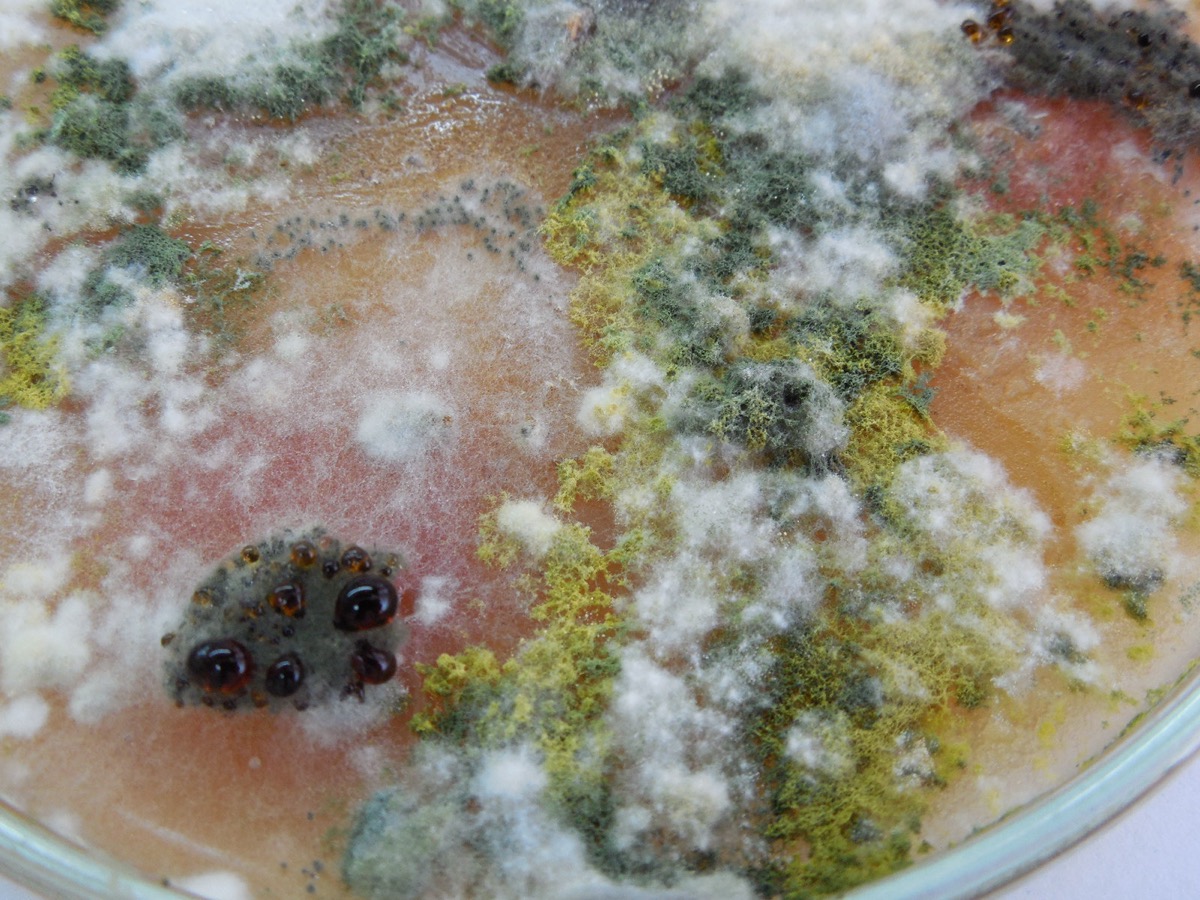 Whose carelessness on holiday saved millions of lives?medicine
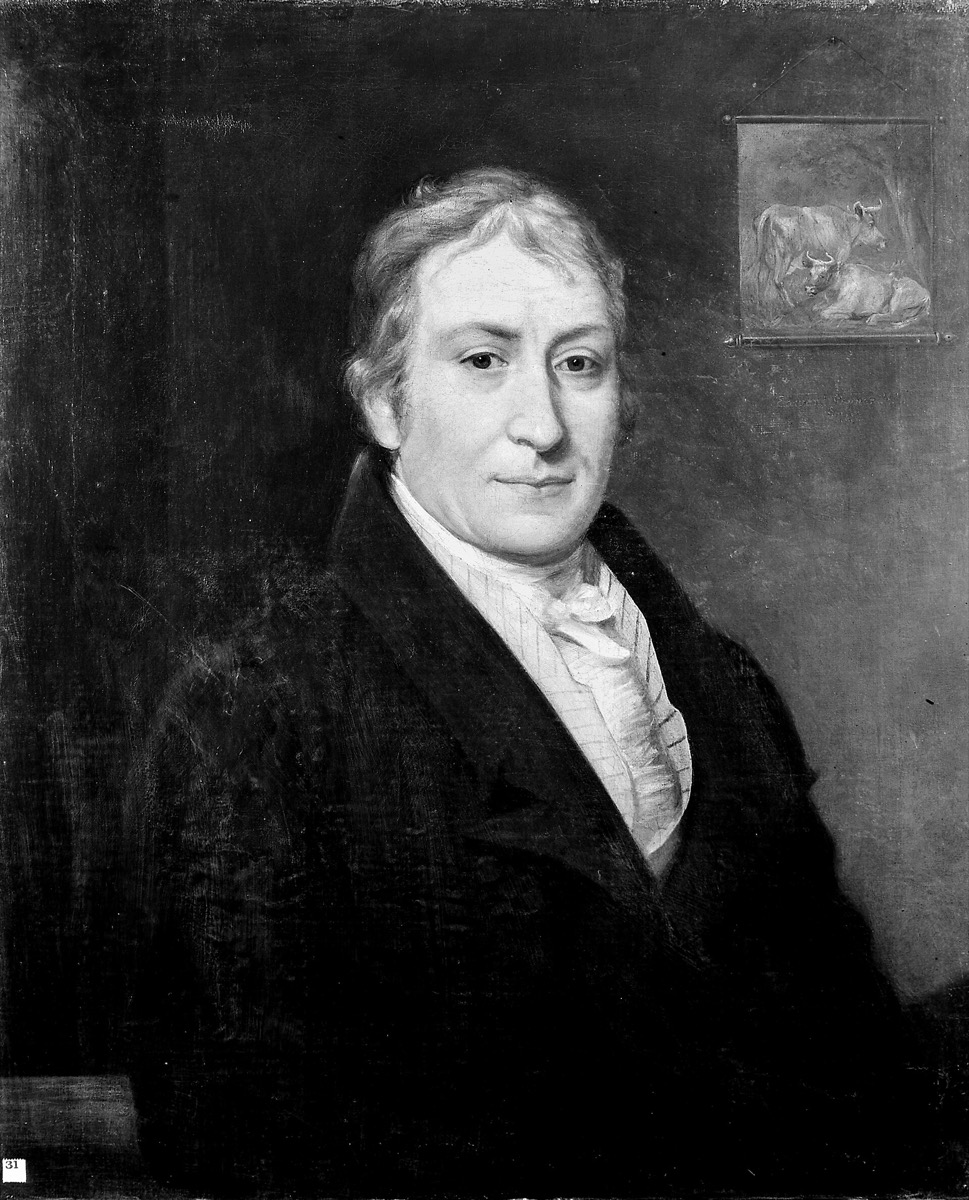 What does milking cows have to do with the first vaccine in history?medicine
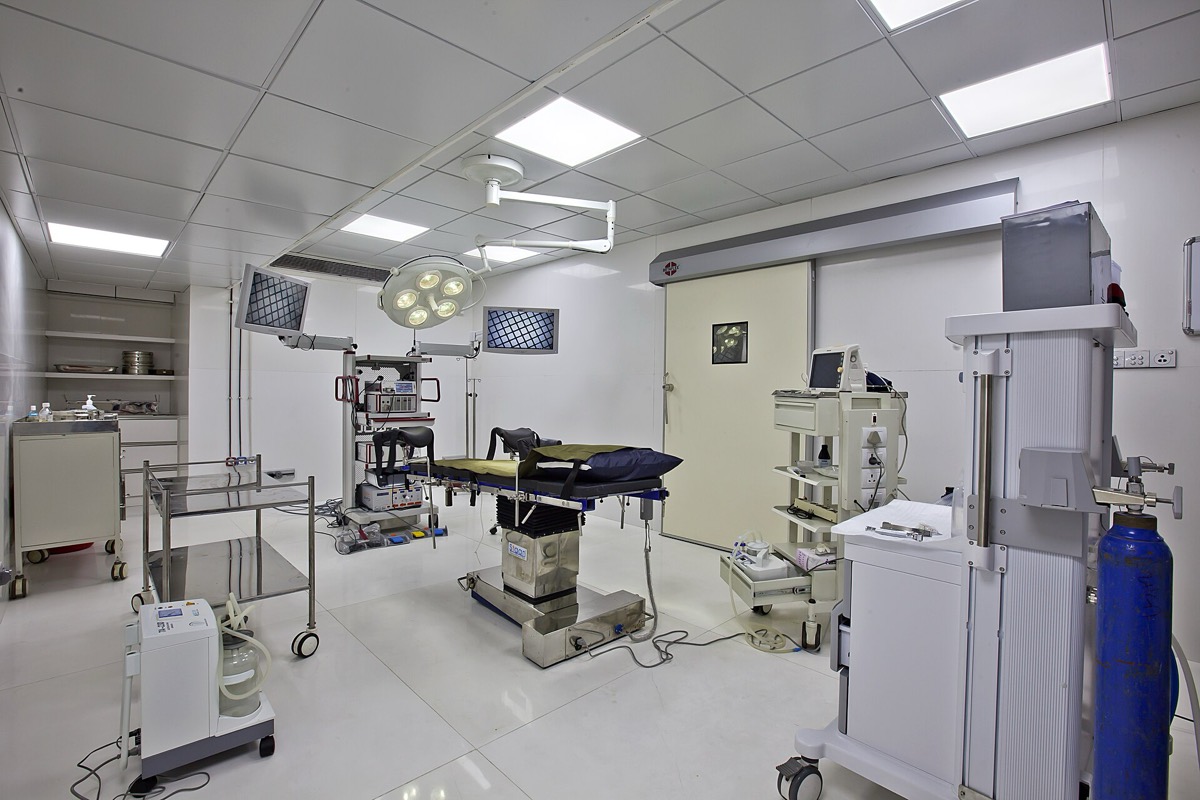 What happened to the first man to receive another person’s heart?medicine