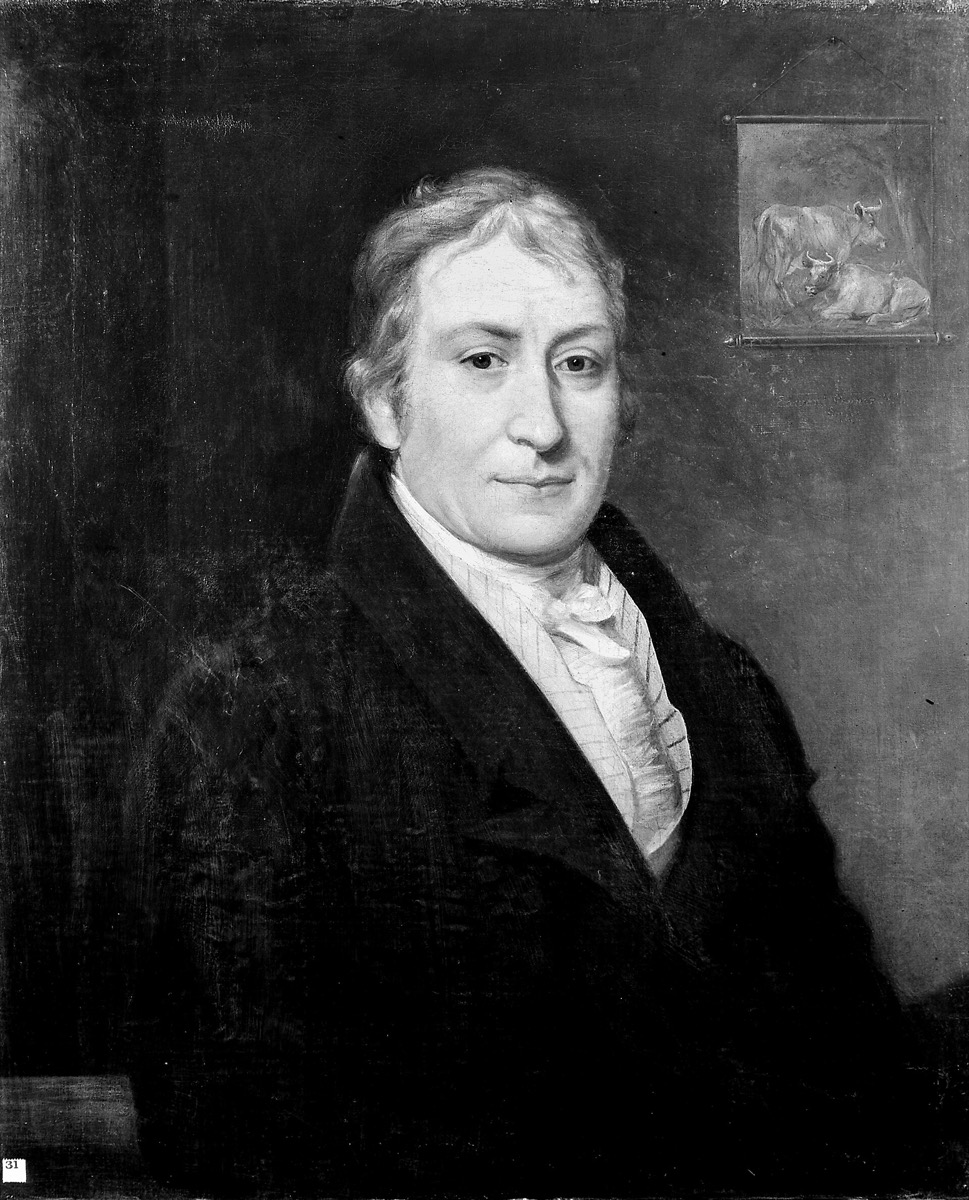
Before 1796 the only defense against was , deliberately giving a healthy person material from a smallpox sore and hoping for a mild case. A country doctor named Edward Jenner noticed that milkmaids who had caught a mild disease from cattle seemed to escape the epidemic. What did he do with the observation?
He tried it on a boy, in May 1796. Jenner inoculated a boy named James Phipps with material from a sore, and later exposed him to smallpox. The boy did not fall ill. Others had reported the same protection from cowpox before him, and what set Jenner apart was the detailed written account that convinced his colleagues and the authorities.
The background is a disease that killed up to a third of the people it infected and left the rest scarred. The existing defense, variolation, meant putting a little of the real disease into a healthy person and hoping for a light case. It worked often enough to be worth the gamble, and it killed a few percent of those who took it.
What Jenner noticed was a local pattern. Milkmaids who had caught cowpox, a mild illness that leaves sores on the hands, appeared not to catch smallpox even on repeated exposure. The pattern was known in the countryside, and he was not the only one to have written about it.
In May 1796 he inoculated a boy, James Phipps, with material from a cowpox sore, and afterwards exposed him to smallpox. The boy stayed well. Jenner then assembled case studies and published, and it was that account, rather than the idea, that convinced his colleagues and the authorities to prefer over variolation.
The principle born here is everything that followed: present the immune system with something close enough to the enemy to be recognized, and different enough to be survivable. It ran all the way to the eradication of the disease, certified in 1979 after the last natural case in Somalia in 1977. The other half has to be said in the same breath. A single child, no consent, no control group, and no approval that would stand anywhere today.
wat. Smallpox killed up to a third of the people it infected, and the protection turned out to come from a milder disease of cows.
wat wat
This is the starting point of vaccination itself, and smallpox went on to become the only human disease ever wiped off the planet.
How do we know?
Jenner published a series of case studies alongside the experiment on James Phipps. By 1803 his findings had been translated into French and Spanish, and the King of Spain launched a vaccination campaign to the Americas and the Far East.
What is still unknown
One boy, no informed consent, no control group. No ethics committee anywhere would approve it today, and Jenner did not discover the link either: milkmaids knew it, and other researchers of his time had already reported it.
Learn something?
Where to next
 Whose carelessness on holiday saved millions of lives?medicine
 What changed for a diabetic child in nineteen twenty-two?medicine
 What happened to the first man to receive another person’s heart?medicine