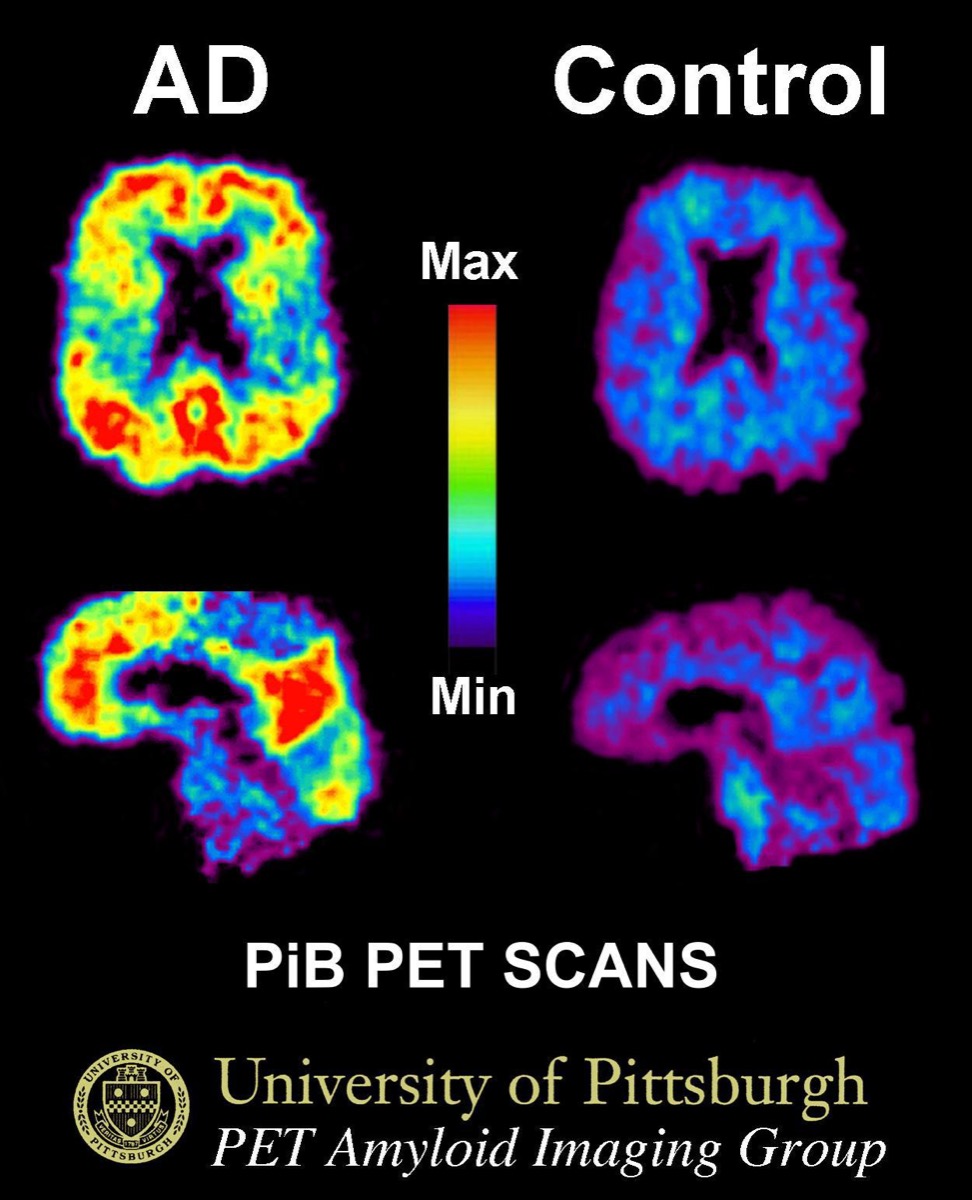
Sleeping badly over years goes with higher , the protein that accumulates in Alzheimer’s disease. Acute deprivation had been shown to raise amyloid in mouse interstitial fluid and in human cerebrospinal fluid, and nobody had looked in the living human brain. One night was the test.
It shows up after a single night. scans of 20 healthy adults after rested sleep and after one night awake found a significant increase in amyloid burden in the right hippocampus and thalamus. The increase tracked with worsening mood, and it was unrelated to , the inherited Alzheimer’s risk factor.
Interest in sleep as a risk factor for Alzheimer’s disease has been growing, and acute deprivation had already been shown to elevate beta-amyloid in mouse interstitial fluid and in human cerebrospinal fluid. The effect on burden in the human brain had not been documented.
The design is small and tight. Twenty healthy controls were scanned with PET and 18F-florbetaben after a night of rested sleep, and again after a night of sleep deprivation, so each person is compared against themselves.
One night of deprivation produced a significant increase in amyloid burden in the right hippocampus and thalamus. The increases were associated with mood worsening after the deprivation, and were not related to APOE genotype.
The scans add a second observation. Burden in a range of subcortical regions and in the precuneus was inversely associated with reported hours of night sleep. APOE genotype was linked to subcortical burden, which suggests different risk factors affecting nearby regions independently. The authors call this preliminary evidence, and it is twenty people and one night.
wat. After one night without sleep, amyloid burden rose in the right hippocampus and thalamus.
wat wat
It puts a measurable overnight cost on something most people treat as borrowable, and it does so in the brain rather than in a fluid sample.
How do we know?
Shokri-Kojori and colleagues used PET with the tracer 18F-florbetaben to measure amyloid burden in the same 20 healthy controls twice, once after rested sleep and once after a night of deprivation.
What is still unknown
Twenty people, one night, and a rise in burden on a scan is not disease; the authors call their evidence preliminary.
Learn something?
Where to next
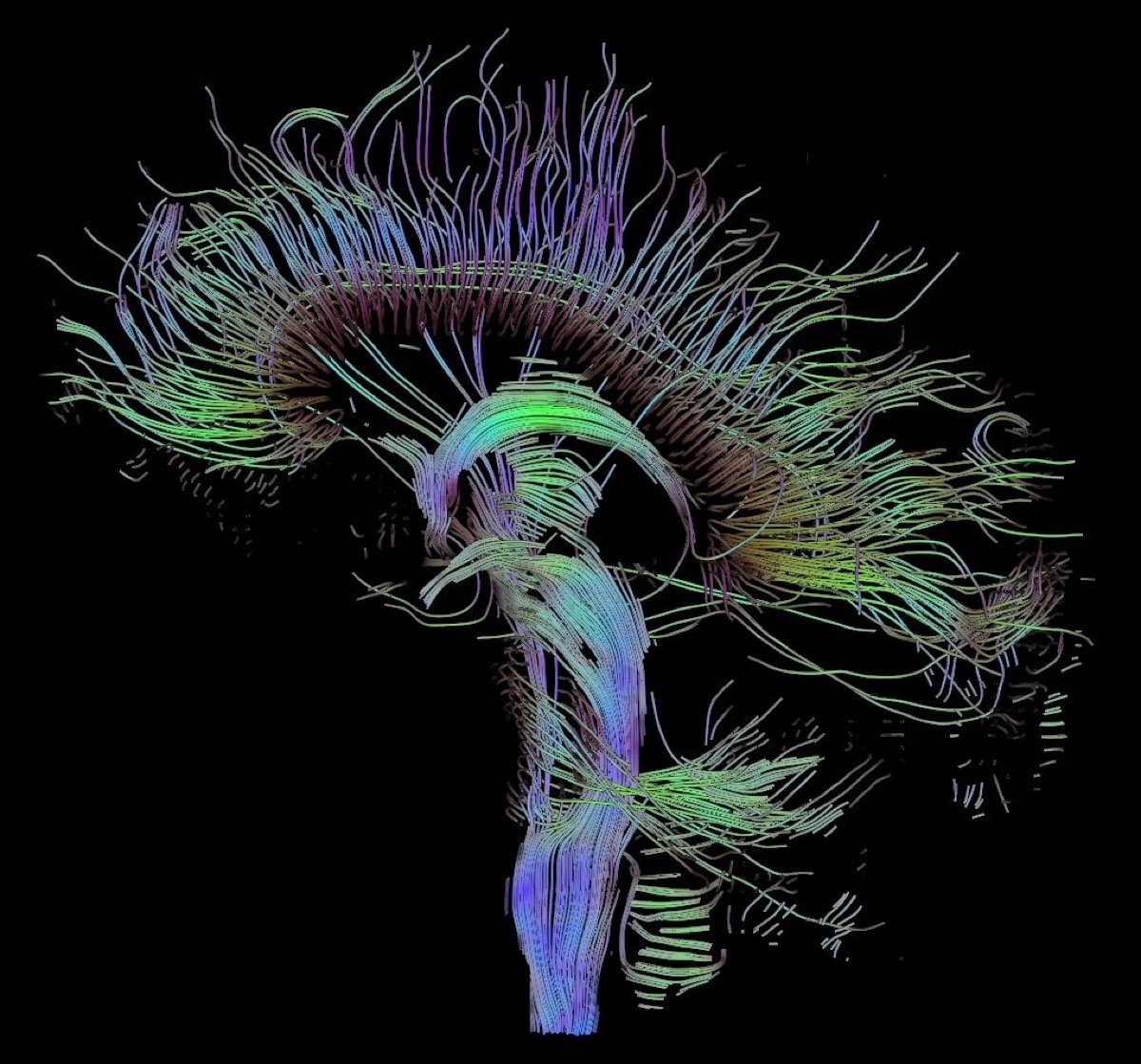 What does the brain do at night that it cannot get done by day?sleep
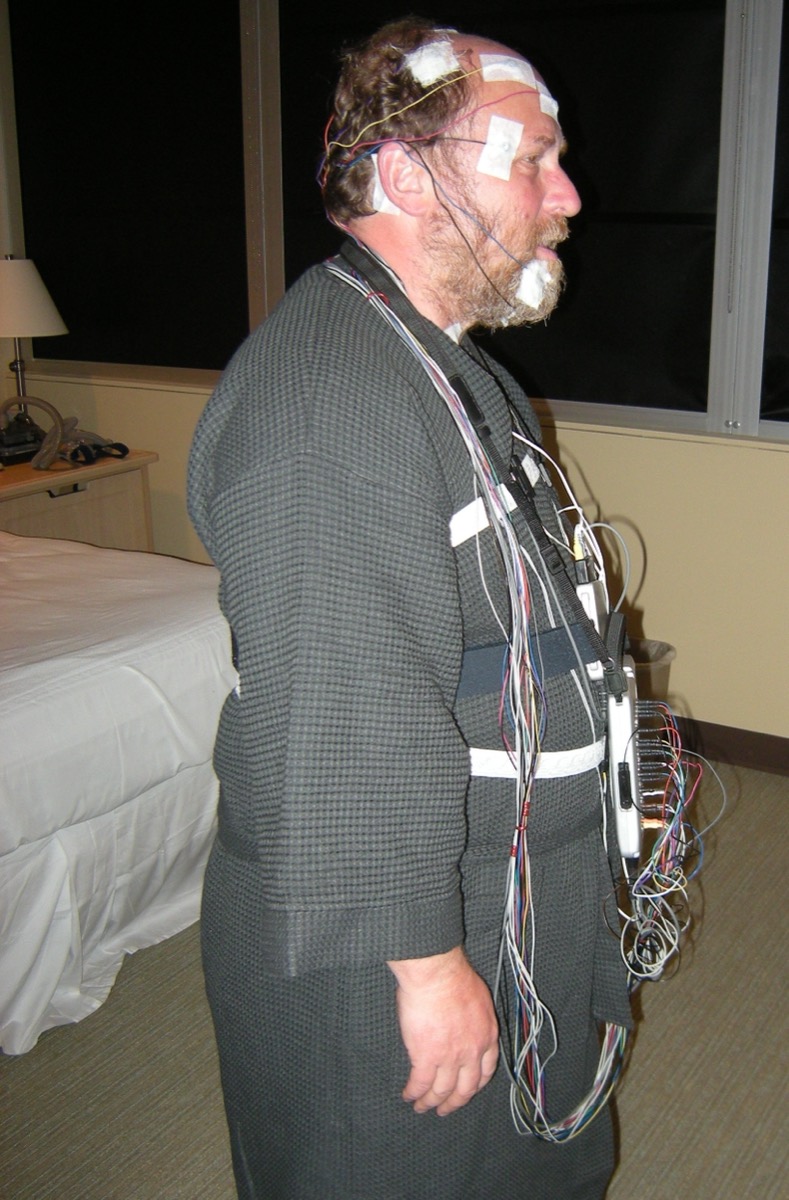 Who decides which of today’s memories you still have tomorrow?sleep
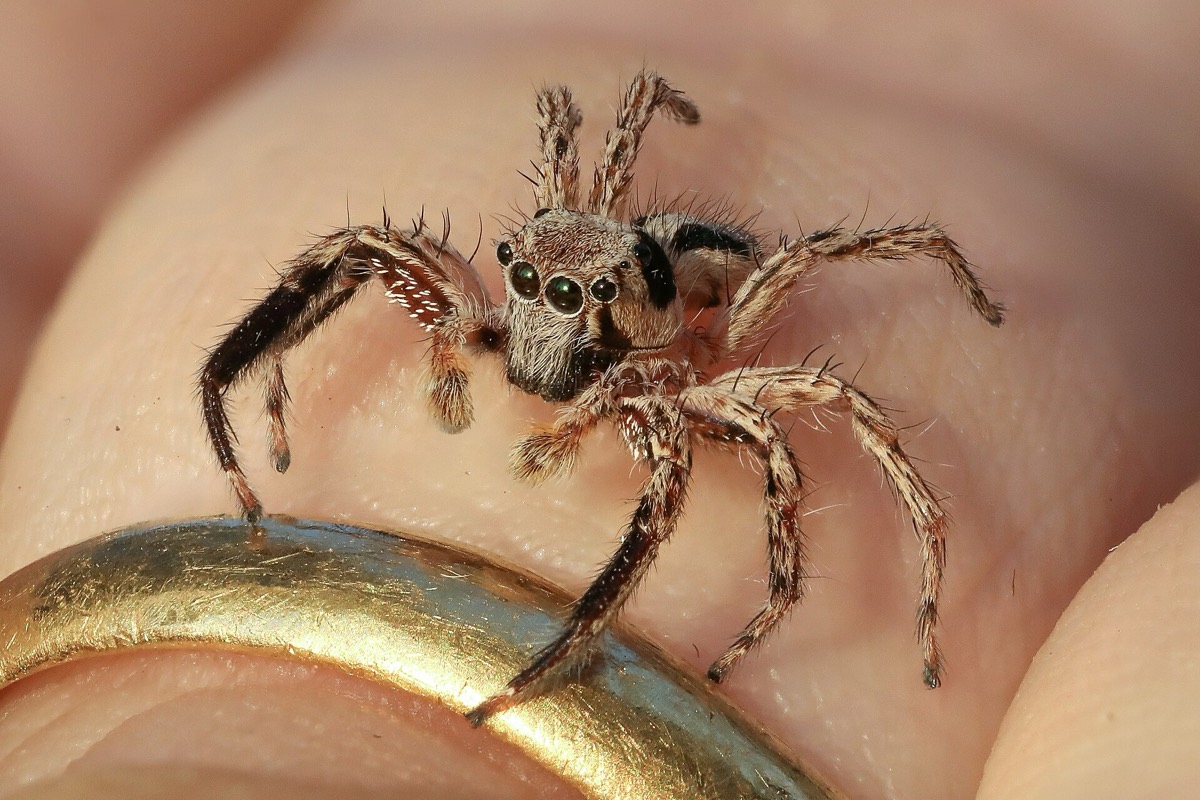 A jumping spider sleeps and its legs curl. Is it dreaming?sleep