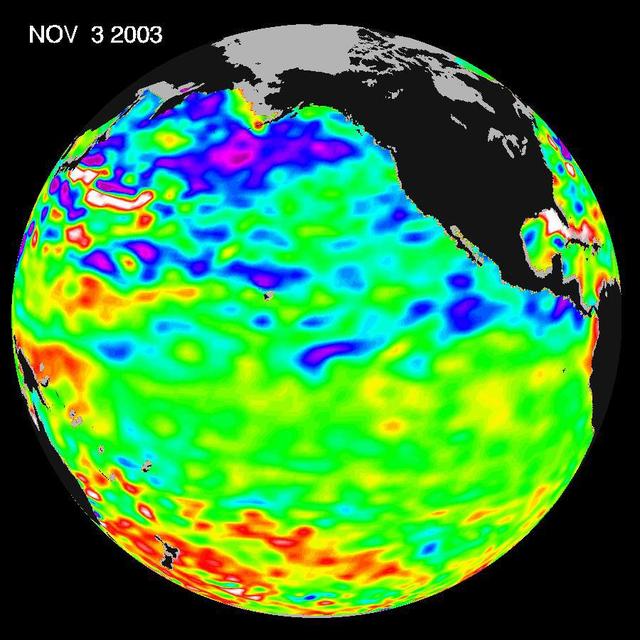
Into the water. NOAA estimates the ocean is storing about ninety-one percent of the energy that greenhouse gases have trapped in the Earth’s climate system. Averaged over the full depth of the global ocean, the heat-gain rate for 1993 to 2024 works out at roughly 0.66 to 0.74 of the Earth’s surface.
Greenhouse gases stop heat radiated from the surface escaping to space as freely as it used to, and most of that excess atmospheric heat is passed back to the ocean. Upper layers are accumulating it faster than deeper ones. The consequences NOAA lists are sea level rise, marine heat waves, coral bleaching, and melting of glaciers and ice sheets that terminate in the ocean.
The single most useful number in climate accounting is not an air temperature. NOAA estimates that the ocean is storing about ninety-one percent of the excess heat energy trapped in the Earth’s climate system by excess greenhouse gases. Everything else, the atmosphere, the land, the ice, shares the remaining tenth.
The mechanism is a chain. Rising amounts of greenhouse gases prevent heat radiated from Earth’s surface escaping into space as freely as it used to, and most of that excess atmospheric heat is passed back to the ocean. Upper has therefore increased significantly over the past few decades, with upper layers accumulating heat faster than deeper ones.
The rate, averaged over the full depth of the global ocean, is approximately 0.66 to 0.74 watts per square meter averaged over the surface of the Earth, for the period from 1993 to 2024. Putting it in those units is what makes it comparable to the other energy flows in the system, and the figure is given as a band rather than a point.
The consequences NOAA attaches to increasing ocean heat content are sea level rise, ocean heat waves and coral bleaching, and melting of ocean-terminating glaciers and ice sheets around Greenland and Antarctica. One further point is the hardest. Heat already stored in the will eventually be released, committing Earth to at least some additional surface warming in the future. One caution: these are updated annual estimates with ranges, not a single measurement.
wat. Nine-tenths of the heat we trapped is sitting in the sea.
wat wat
Air temperature is the number everyone watches, and it is the small share. Almost all of the energy is in a reservoir that responds slowly, which is why the problem outlasts the emissions.
How do we know?
Ocean heat content statistics and maps are updated each summer, following the annual State of the Climate report, which NOAA experts edit and which appears in the Bulletin of the American Meteorological Society.
What is still unknown
An explainer drawing on an annual report rather than primary measurement, and the figures are estimates with ranges. Deep-ocean coverage has historically been sparse, which is part of why a full-depth rate is given as a band.
Learn something?
Where to next
 If trees cancel almost half the urban heat effect, why does the thermometer barely move?heat
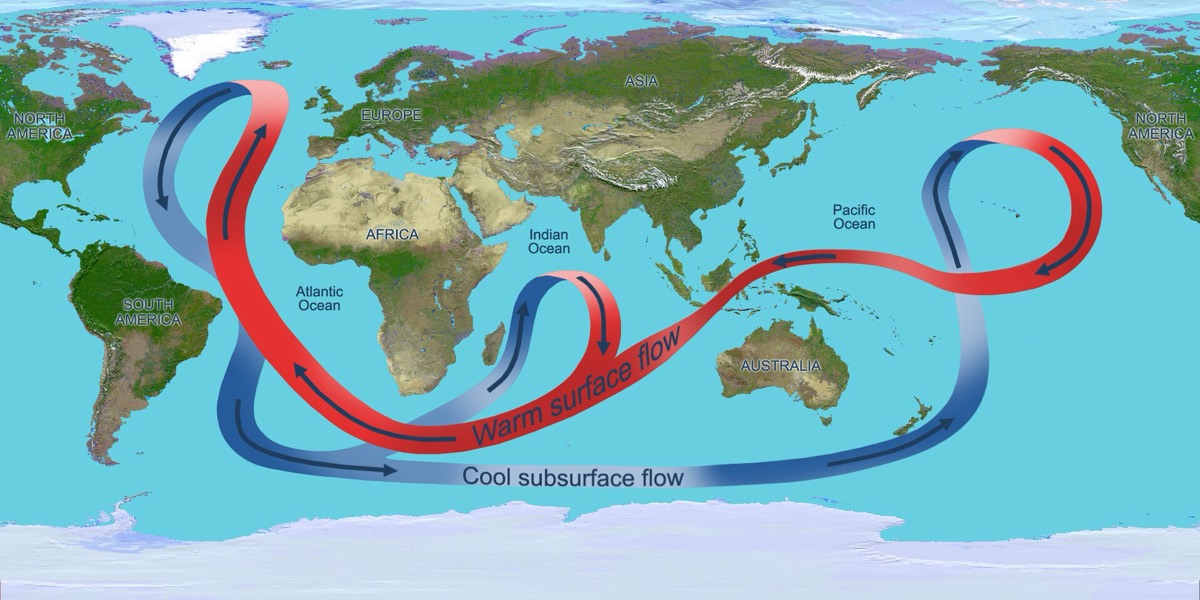 Why does the ocean get colder the deeper you go?oceans
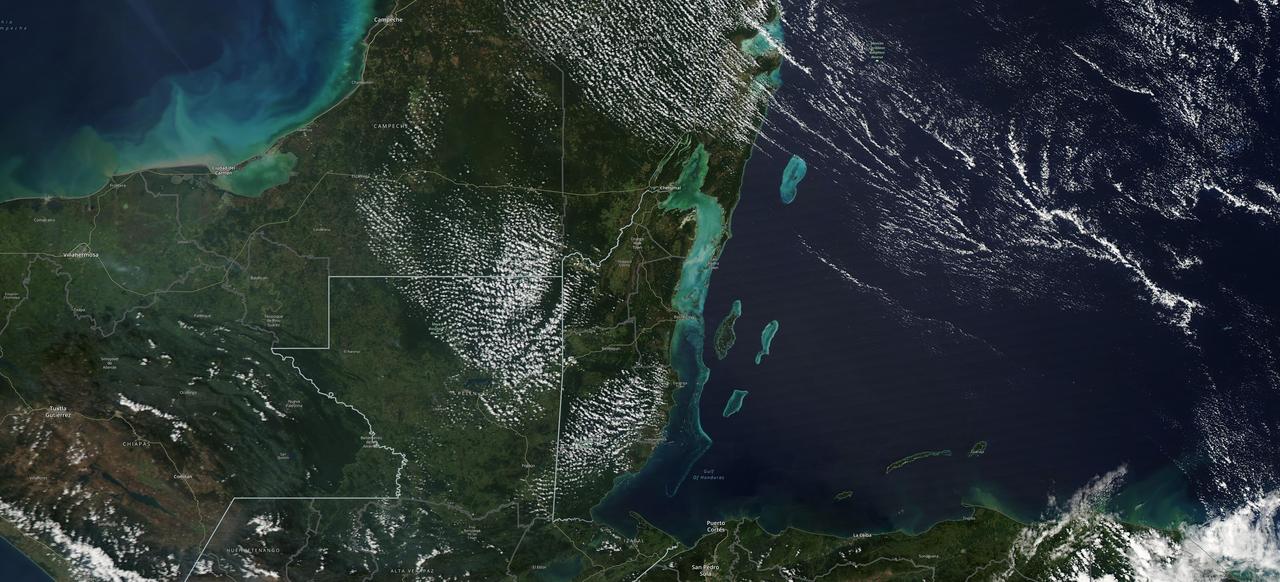 What does carbon dioxide do once the ocean absorbs it?oceans