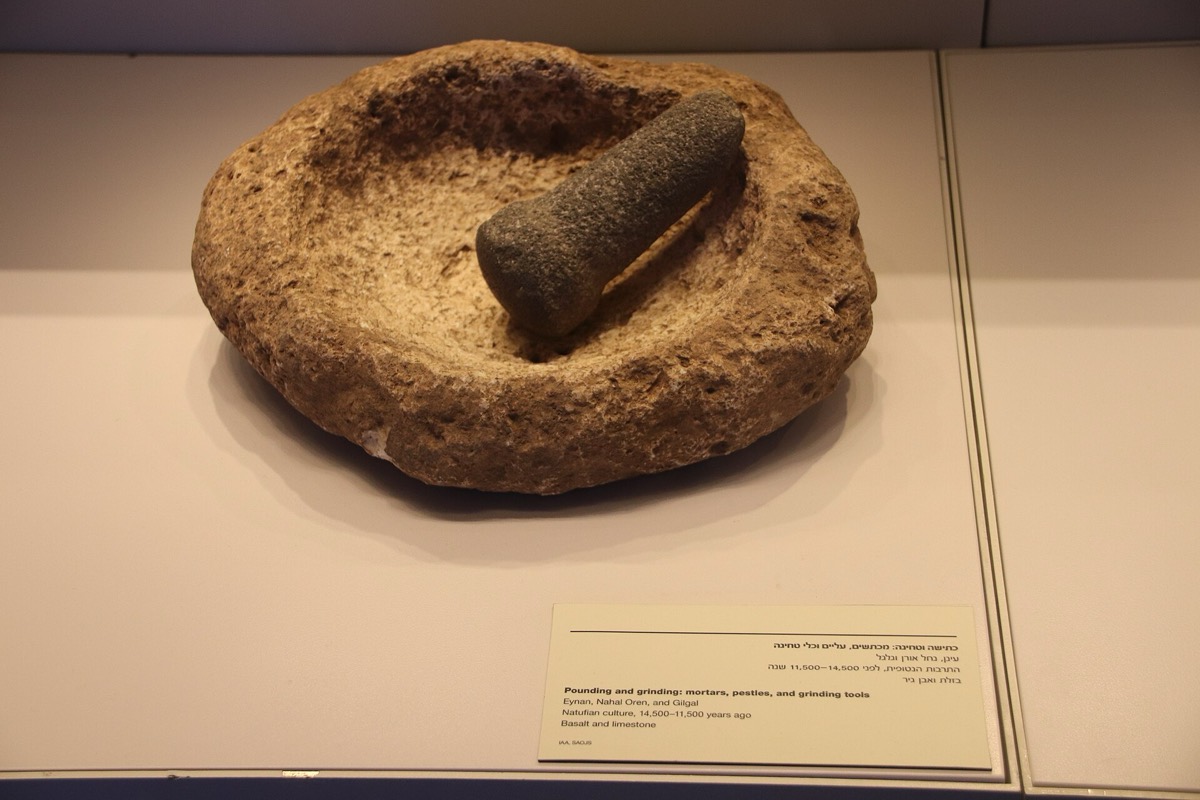
Flour is thought of as a product of a cultivated field, and therefore as a sign of farming. At in the eastern Mediterranean, deep were found that predate the growing of cereals. To find out what they were for, researchers harvested and reconstructed the processing. What came out?
and fine flour, from grain nobody sowed. Researchers harvested wild barley and reconstructed the stages of husking and grinding in similar vessels. So the technology may have been available before farming was established, which supports an explanation for the archaeological finds. It does not prove every meal at the site was bread or that every mortar served the same purpose.
The move to farming was not a sharp transition from raw food to bread. Hunter-gatherers in the Levant harvested wild cereals beforehand, and the question was whether the stone tools that survived could process them efficiently.
The researchers went back to mortars cut about 12,500 years ago at a Natufian site. They harvested wild barley, removed its husks and pounded it while reconstructing a plausible way of working with similar tools.
The process produced both groats and fine flour, which shows the mortars suit a varied processing of the grain. The authors suggest this widened the dietary possibilities, from porridge to perhaps a flatbread at later stages.
The experiment proves a practical capability, not the exact menu of any family. Without direct food residues from each vessel there is no way to say how often flour was made, who ate it, or whether it was always baked into bread.
wat. Natufian stone mortars could turn wild barley into flour before cereal farming began.
wat wat
The ability to prepare complex food did not begin on the day people started growing plants regularly.
How do we know?
The researchers combined the mortar finds at a Natufian site with a practical experiment in which they processed wild barley using similar stone tools.
What is still unknown
Experimental archaeology tests what a tool can do, and it does not observe what the inhabitants of the site actually did 12,500 years ago.
Learn something?
Where to next
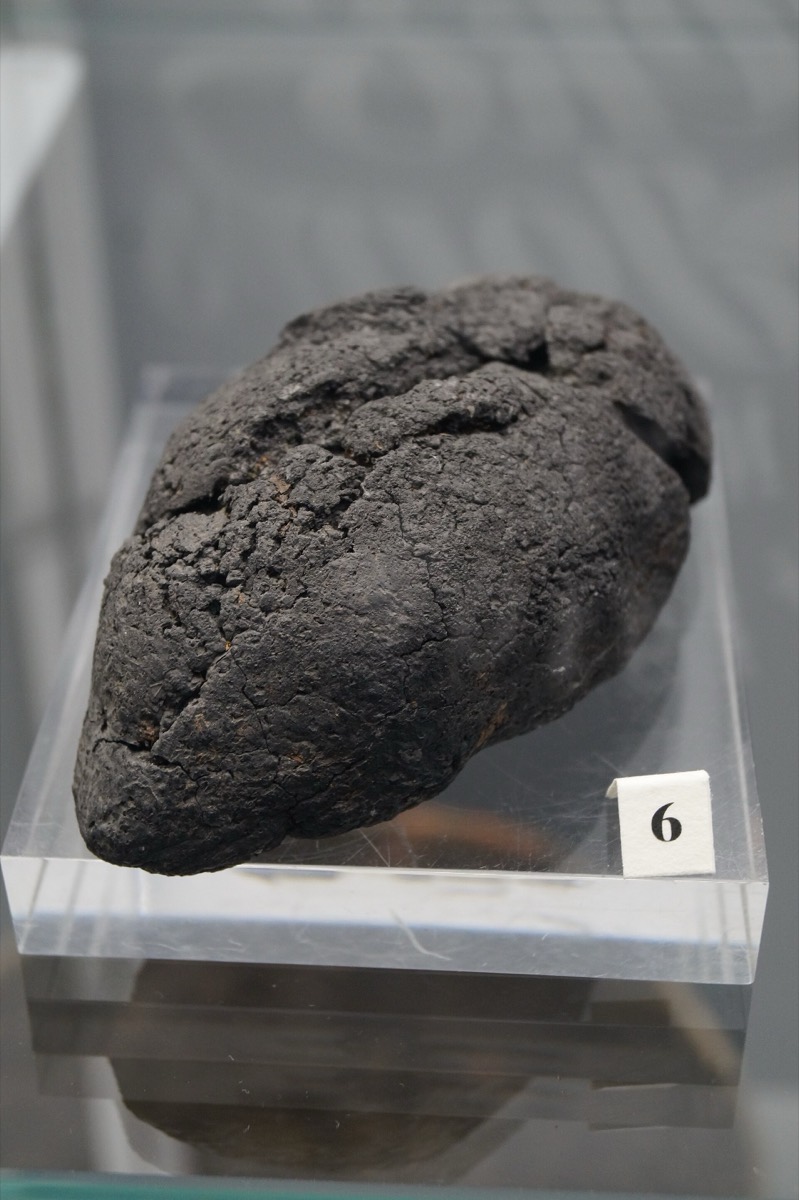 Did anyone bake bread before farming was invented?farming
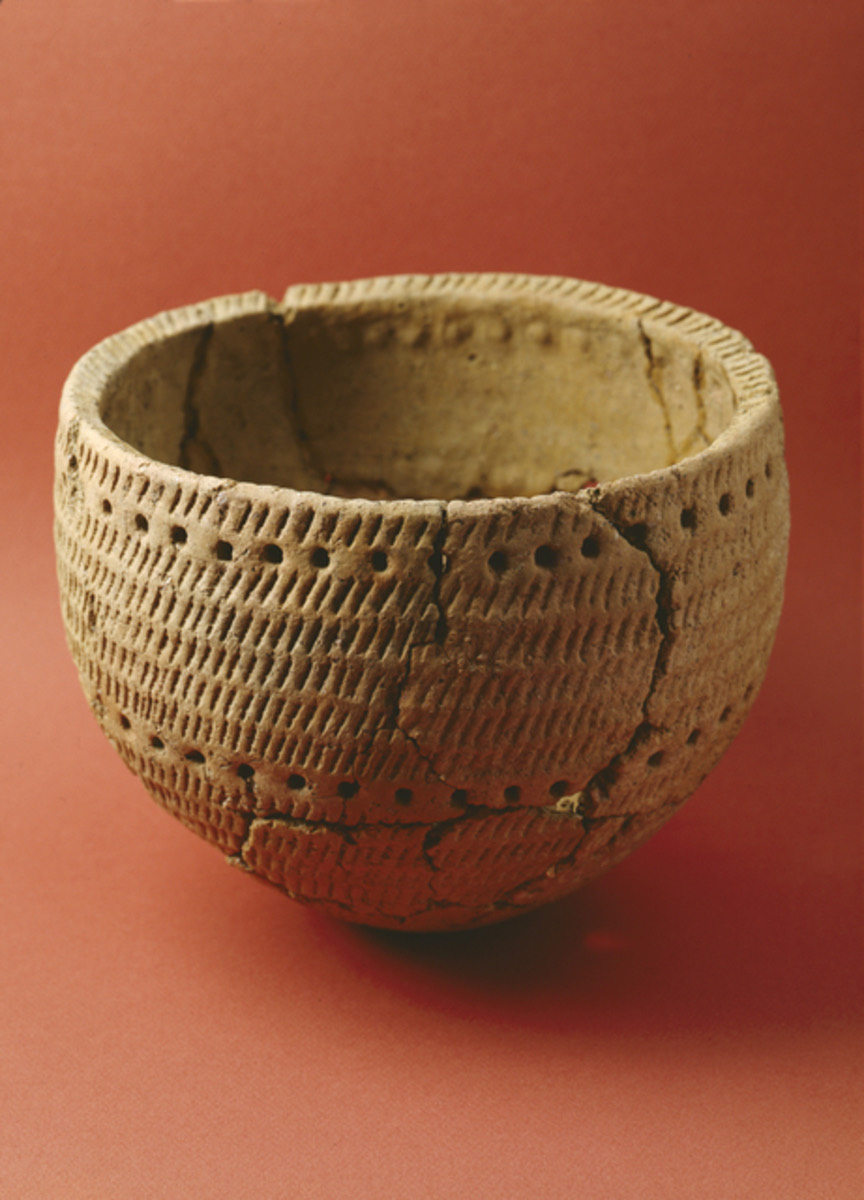 Why did ancient pots hide some of the plants cooked in them?ancient food