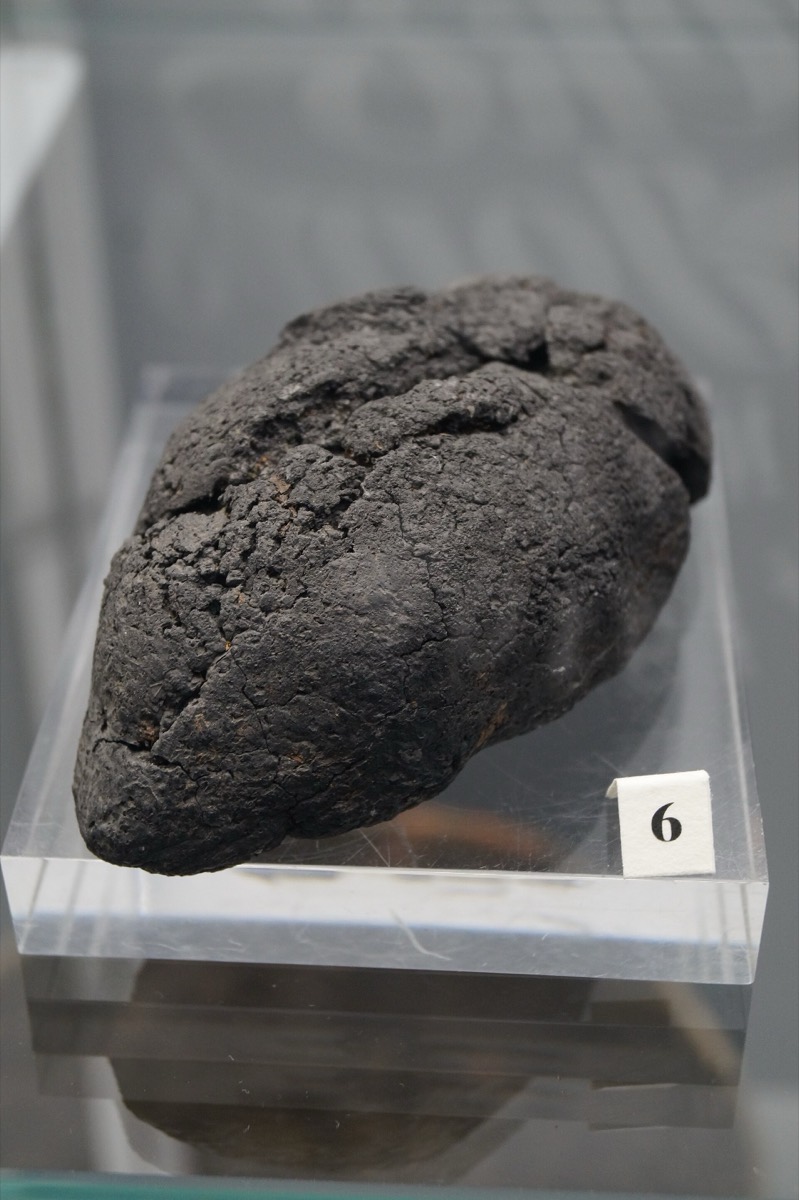
Bread is usually taken to be a product of farming: first you domesticate grain, and only then you bake. At Shubayqa in north-east Jordan, charred food remains were found lying there from before grain was domesticated. What were they?
, made from wild plants. The remains date to about 14,400 years ago, some 4,000 years before grain was domesticated, and under a microscope they resemble a flat bread made from and . Which raises the interesting possibility that wanting bread came before farming and helped justify it, rather than the other way round.
The sequence taught in school is tidy: first grain is domesticated, then there are food surpluses, and only then come complex foods like bread. This find moves the last link some four thousand years earlier.
At a site in north-east Jordan, charred food remains about 14,400 years old were found, from a period when nobody was cultivating anything. Under a microscope they turned out to resemble a flatbread: a porous structure formed by steam in a dough, and the remains of plant tissue that had been ground.
The ingredients themselves give away the effort. These are wild cereals and tubers, not domesticated wheat, and all of them demand a long chain of work: gathering, husking, grinding, kneading and baking. This is food that costs more than it returns.
And here is the interesting hypothesis: perhaps the desire for bread came before farming and justified it, rather than the reverse. If people were already investing like that in wild grain, cultivating the plant is a logical next step. The researchers themselves suggest this was a rather than an everyday one, and in any case it precedes farming rather than following from it.
wat. Bread did not necessarily wait for the field. Sometimes the field came after the taste.
wat wat
It turns the usual story around: complex foods like bread came before farming, and may themselves have been part of the motivation for investing in grain.
How do we know?
The researchers examined 24 charred food remains from the site, analyzed the porous structure and the plant particles under a microscope, and compared them against modern experimental foods.
What is still unknown
The find does not show that bread was an everyday food then. The researchers themselves suggest it may have been a special or seasonal one.
Learn something?
Where to next
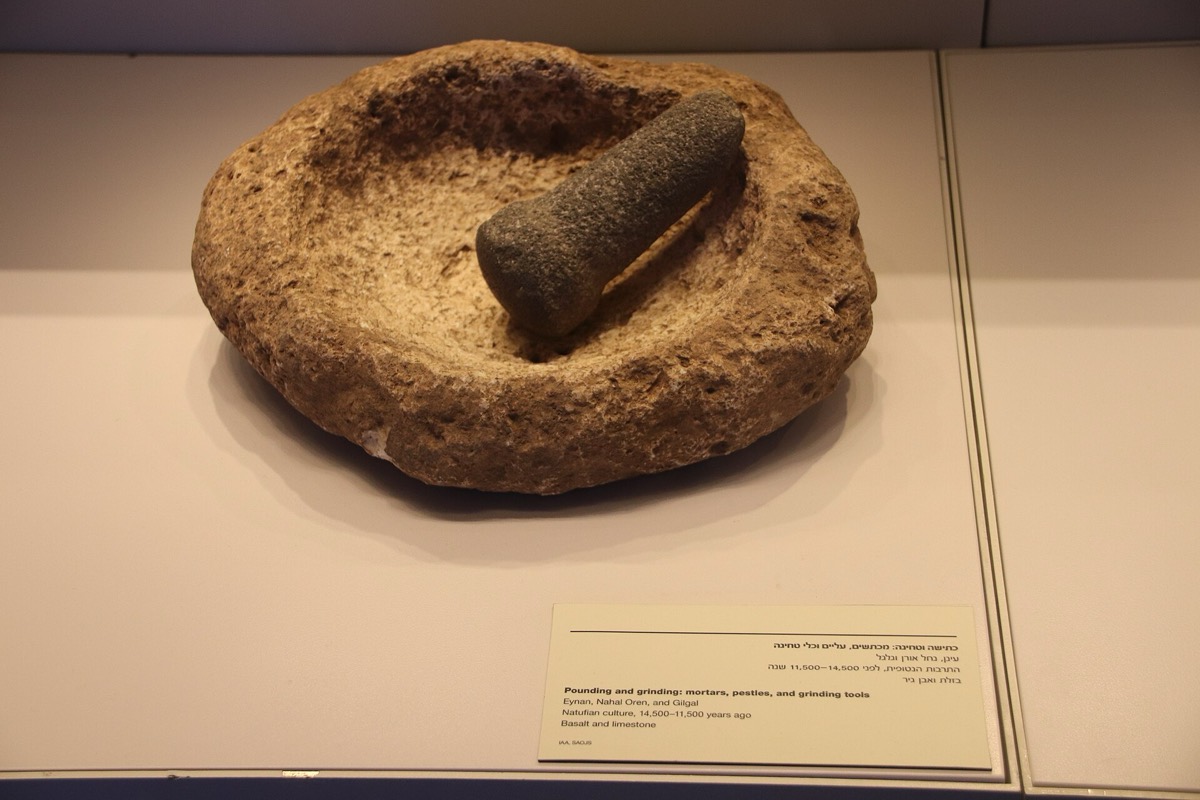 Could flour be made thousands of years before anyone farmed grain?farming