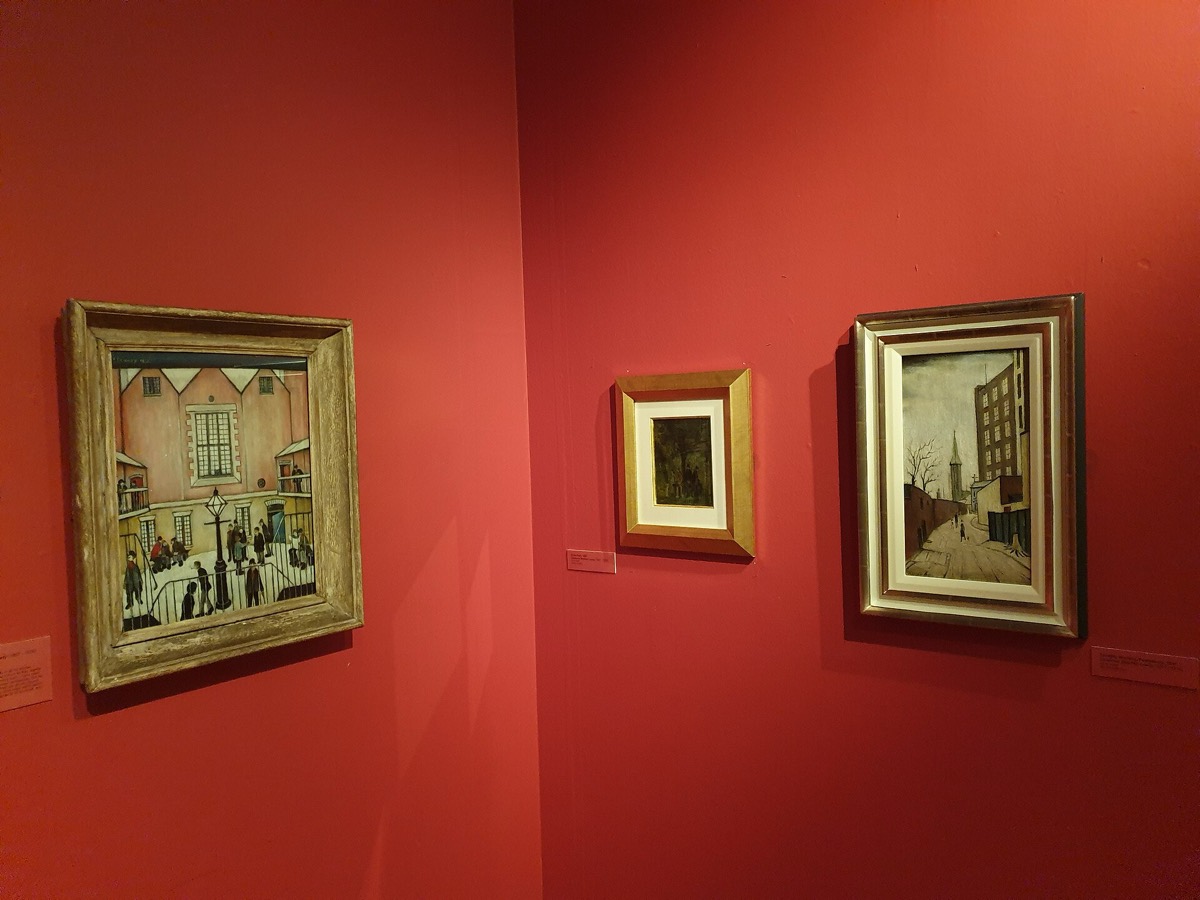
A camera is supposed to help you keep a day, which raises the question of what it does to the copy in your head. Participants went on a guided tour of an art museum, told to observe some objects and to photograph others. Afterward their memory for the objects, the details and the locations got tested. Two studies, with one instruction changed in the second.
Photographing the whole object made memory worse. Participants recalled fewer of the objects they had photographed, and fewer details about them and about where they sat in the museum, than of the objects they had only looked at. The twist comes in the second study. When people to photograph one part of an object, the impairment vanished, and memory for the parts outside the frame held up just as well.
A camera is meant to preserve a day, which makes the obvious question what it does to the copy you carry in your head. Participants on a guided tour of an art museum were directed to observe some objects and to photograph others, which puts both conditions inside the same visit and the same person.
The result has a name: the . People remembered fewer of the objects they had photographed as a whole, had worse for those objects, and had worse for where in the museum each one had stood. Photographing a thing cost the memory of it.
Then the second study changed one instruction. Participants zoomed in and photographed a specific part of an object rather than the whole thing. The impairment disappeared. Recognition and detail memory held up, and more strikingly, memory for the features outside the zoom was as strong as memory for the features inside it.
That pattern points at attention rather than at the camera. Framing a whole object can be done without really looking at it, which is the offloading move, while choosing one part to zoom in on cannot. The extra attentional and cognitive work the zooming demands is enough to wipe the effect out. Keep the scope modest, though: one lab, museum objects, and a test taken soon after the tour.
wat. Snapping the whole object cost the memory of it. Zooming in on one part cost nothing, and preserved the rest of the object too.
wat wat
It locates the problem in attention rather than in the camera. A photo taken as an act of offloading costs you the memory, and the same photo taken as an act of looking closely does not.
How do we know?
Henkel ran two studies on a guided art museum tour, directing participants to observe some objects and photograph others, then testing recognition, detail memory and location memory.
What is still unknown
A single lab, museum objects, and a memory test shortly afterward, which is not the same thing as what you remember of a holiday years later from the photographs you kept.
Learn something?
Where to next
 Why does a story stay in your head after you close the book?memory
 Why is it so hard to say what color a word is printed in?attention
 Would you notice if the person you were talking to was swapped for someone else?attention