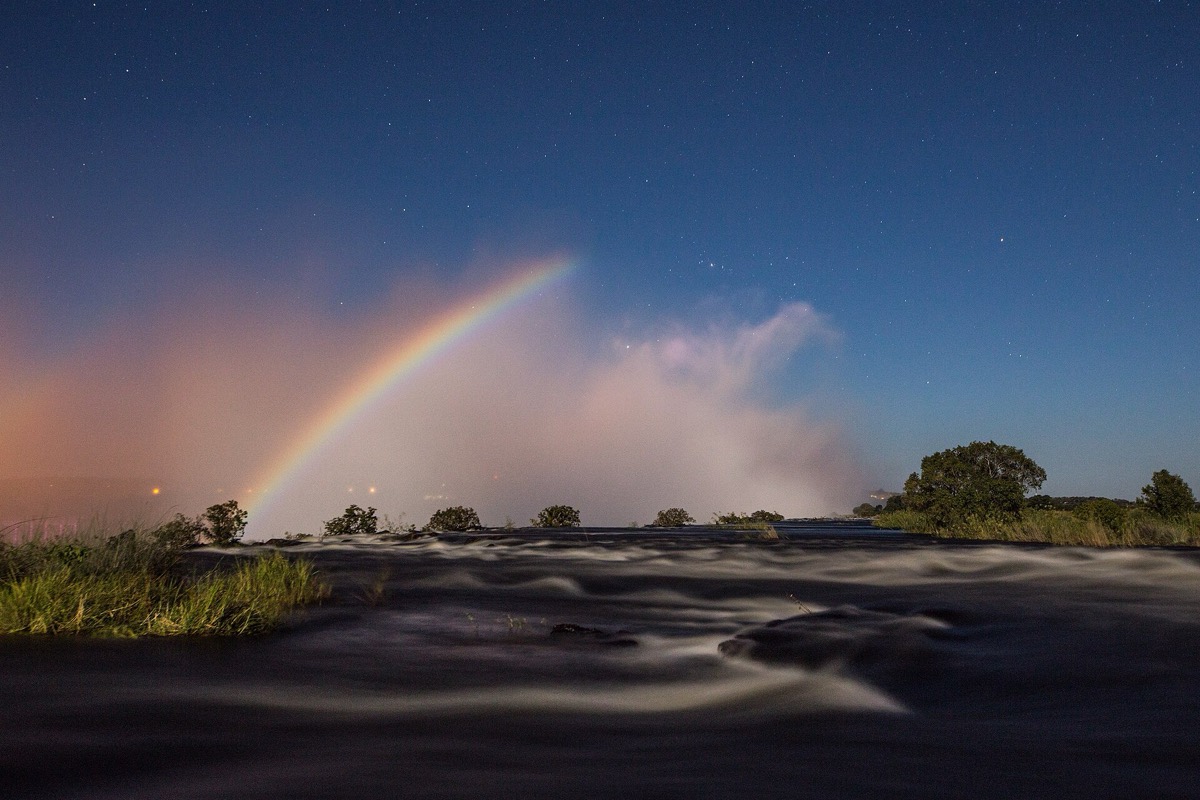
Moonlight is reflected sunlight, so it carries the same spectrum, and a water droplet does not care which direction its illumination arrived from. Rainbows do occur at night, made by the moon rather than the sun. They are rare, and they need a and low moon, a dark sky and water droplets opposite it. To the naked eye they look white.
The colors are there, and your eyes cannot use them. A appears white because the light is too faint to activate the cone receptors that handle color vision. The arc then registers only in the system that works at low light levels, which reports brightness alone. , which has no such limit, reveals the subtle colors the eye could not reach.
Rainbows can occur at night, created by moonlight instead of sunlight. The physics is unchanged: light enters a droplet, refracts, reflects off the inside surface and refracts again on the way out, sending a spectrum back toward an observer with the light source behind them.
What changes is the budget. Moonlight is far weaker than sunlight, so the conditions have to cooperate. A moonbow requires a nearly full and low moon, a dark sky, and water droplets opposite the moon. That is why they are rare, and why the best time to look is a couple of hours after sunset or before sunrise.
To the naked eye the result is white. The light is too faint to activate the , the part of the visual system that handles color, so what registers is an arc of brightness with no hue. That is a limit of the observer and not of the arc.
A camera settles it. Long-exposure photography can reveal the subtle colors in a moonbow, because a sensor accumulates light over time in a way an eye cannot. The spectrum was present the whole time, separated by the droplets exactly as in a daytime rainbow, and simply arriving too slowly for anybody to see it.
wat. The colors never left. Your eyes simply stop reporting them below a certain brightness, and a camera does not.
wat wat
The arc is a fact about the sky and the whiteness is a fact about the viewer, and a camera is enough to tell the two apart.
How do we know?
The Met Office describes moonbows alongside the other varieties of rainbow, the conditions they require and why they appear white to an observer.
What is still unknown
A general explanatory page. It gives the conditions and the reason for the apparent whiteness without describing how faint the light has to be before color vision drops out.
Learn something?
Where to next
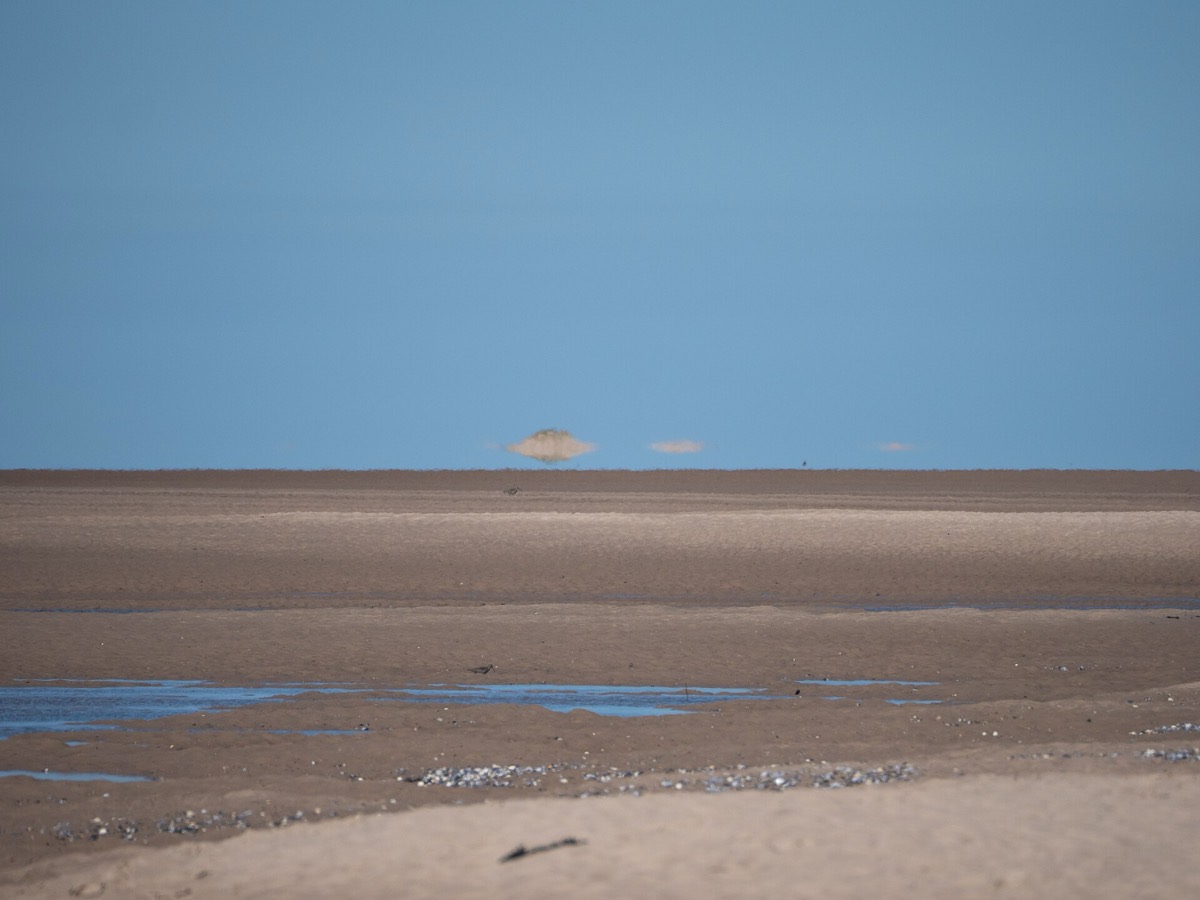 How can a distant ship look as though it is floating above the sea?optics
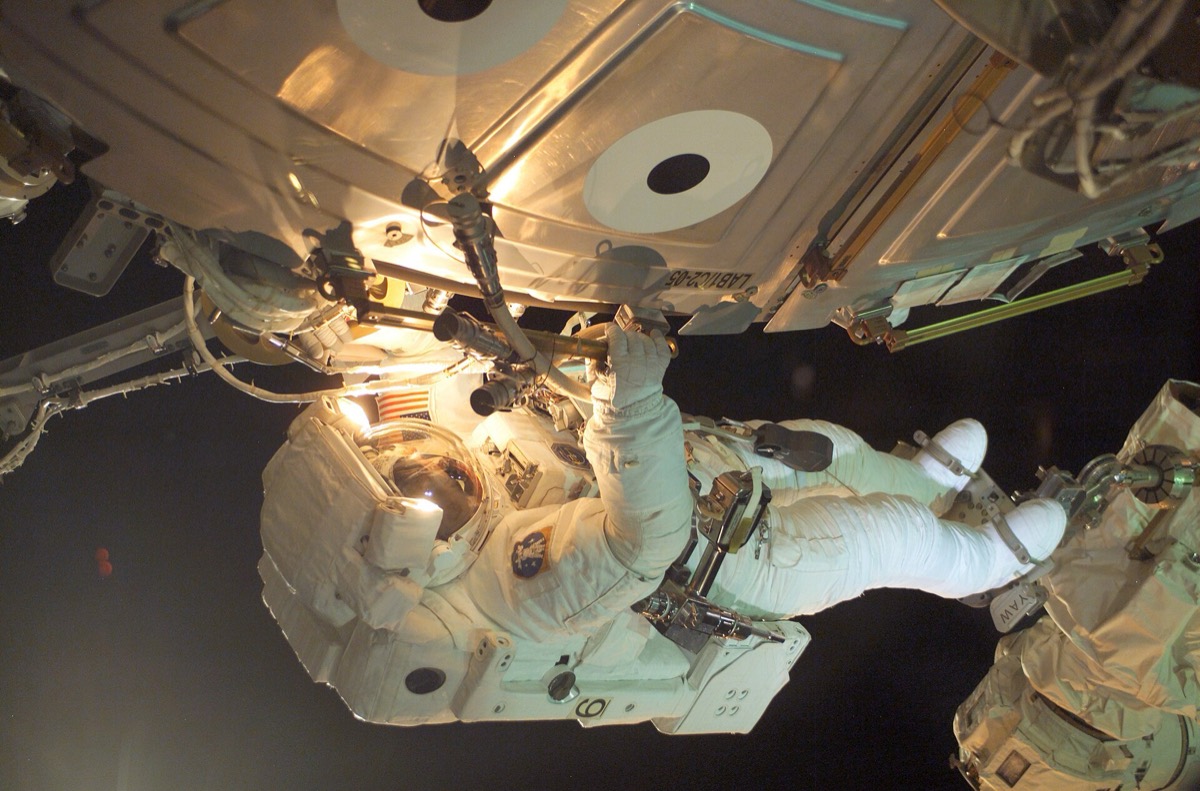 What does months in orbit do to an astronaut’s eyes?vision
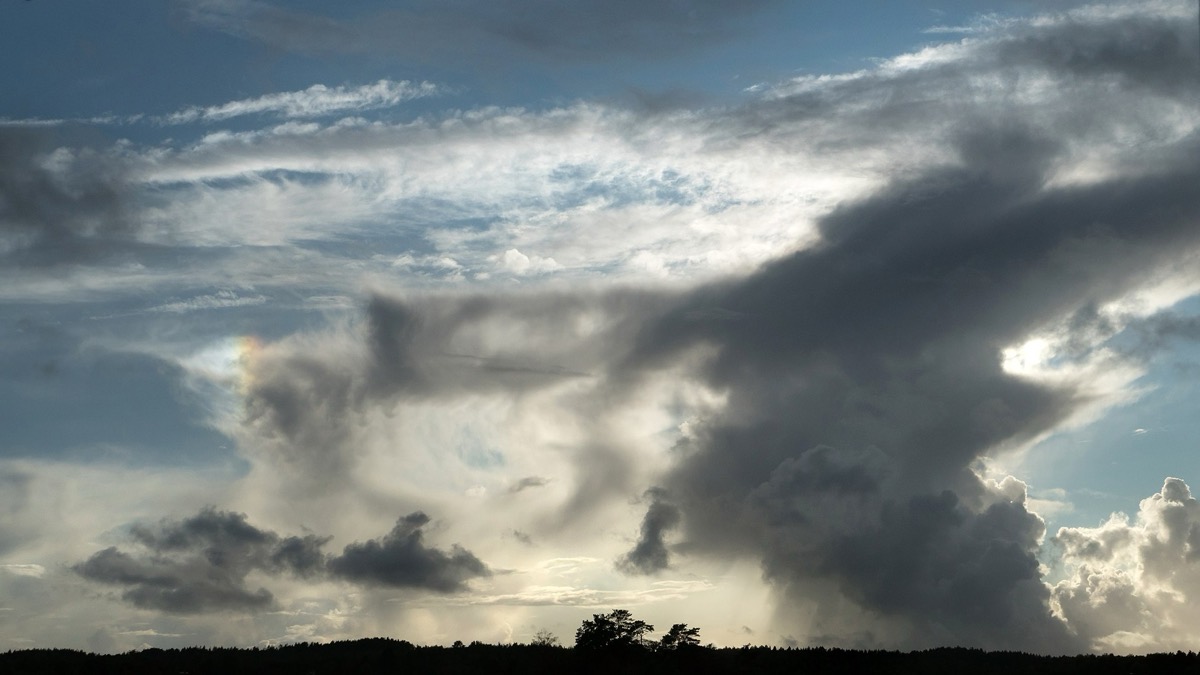 Why does the bright spot beside the sun always sit in the same place?optics