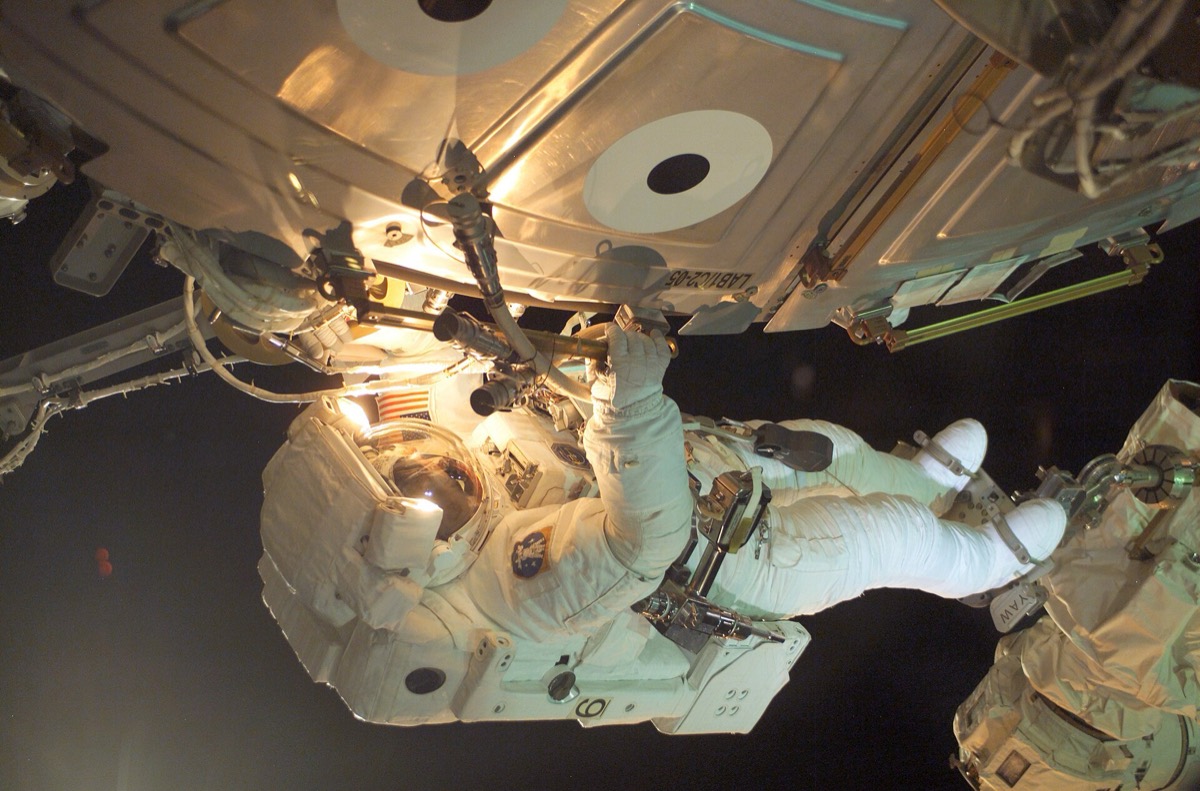
Long-duration spaceflight produces physiologic and pathologic neuro-ophthalmic findings that do not look like anything in terrestrial medicine. They turn up often enough to have been given a name and a definition. The question for a Mars-length mission is what exactly is on the list.
Swelling of the optic disc in one or both eyes, flattening of the back of the globe, folds in the choroid and retina. Add a in the refractive error and focal areas of ischemic retina seen as . Together these define Spaceflight Associated Neuro-ocular Syndrome.
Prolonged microgravity exposure during long-duration spaceflight produces unusual physiologic and pathologic neuro-ophthalmic findings in astronauts. Collectively these findings define the Spaceflight Associated Neuro-ocular Syndrome.
The review works by comparison. It sets prior published work from NASA’s Space Medicine Operations Division against retrospective and prospective studies from other research groups, which is how a clinical picture assembled from very few patients gets checked.
The clinical manifestations it updates are specific: unilateral and bilateral , , choroidal and retinal folds, hyperopic refractive error shifts, and focal areas of ischemic retina appearing as cotton wool spots.
What the review is honest about is the gap. It discusses what remains unknown for both in-flight and terrestrial human research, including potential countermeasures. The recommendation is that NASA and its research partners keep studying the syndrome before longer manned missions.
wat. Months of weightlessness swell the optic disc, flatten the back of the eye and shift the prescription.
wat wat
Vision is the one system an astronaut cannot work around, and the longer the mission the longer the exposure.
How do we know?
Lee and colleagues compared published work on the syndrome from NASA’s Space Medicine Operations Division against retrospective and prospective studies from other research groups, and updated the clinical picture.
What is still unknown
This is a review of a small and highly selected population, and the mechanism and the countermeasures are both still open.
Learn something?
Where to next
 Does a rainbow made by moonlight have colors?vision
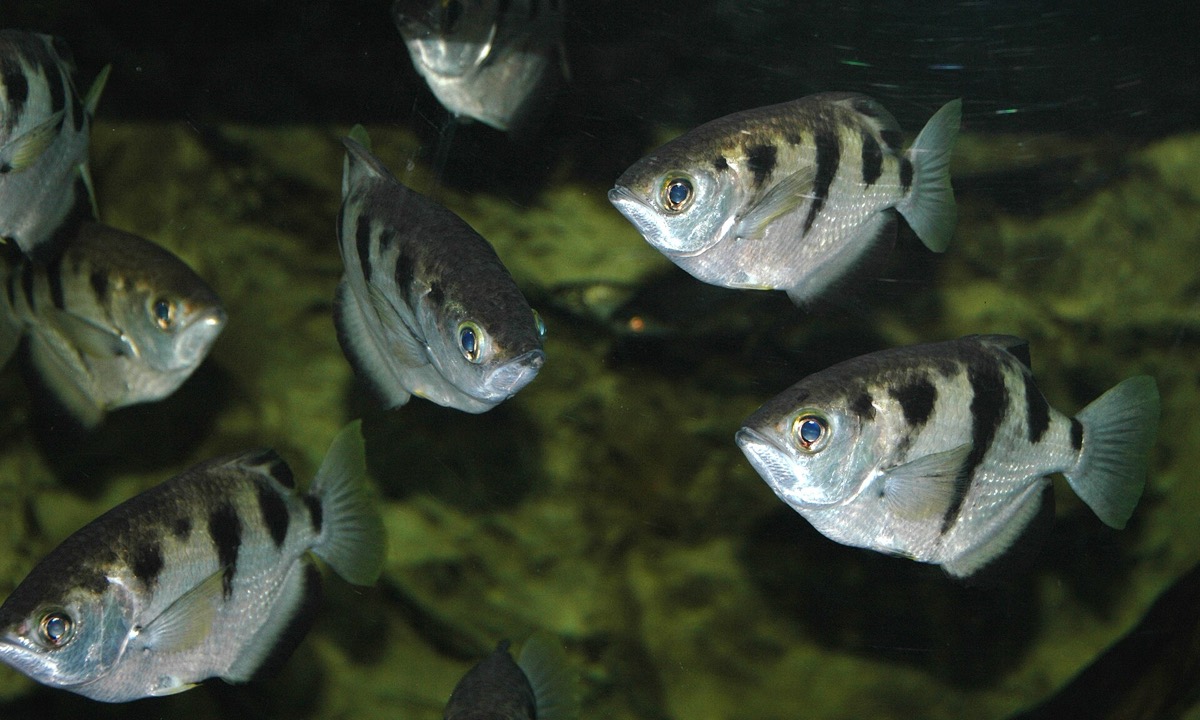 A fish has no cortex like ours. So how does it tell faces apart?vision
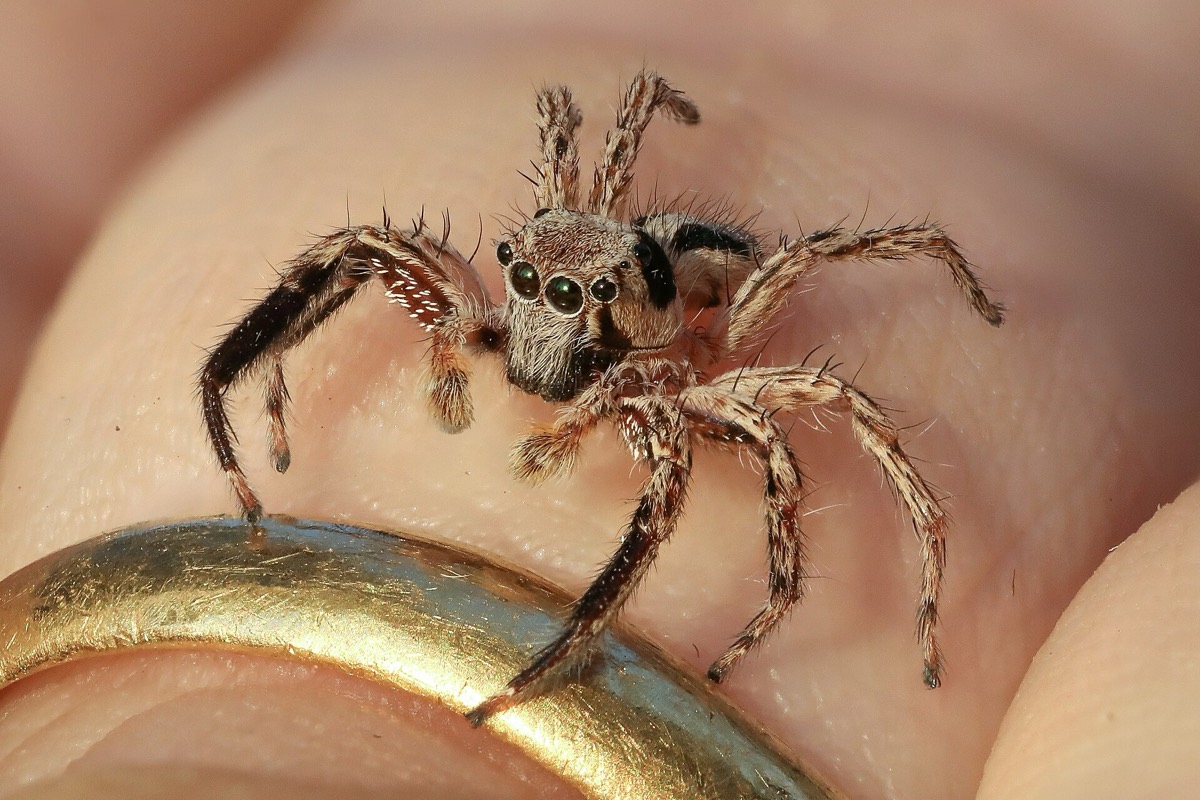 A jumping spider sleeps and its legs curl. Is it dreaming?vision