
Yes, in four of six examined. Ragusa and colleagues collected placentas from consenting women with normal pregnancies and analyzed them by . They found twelve between five and ten micrometers across: five on the fetal side, four on the maternal side and three in the .
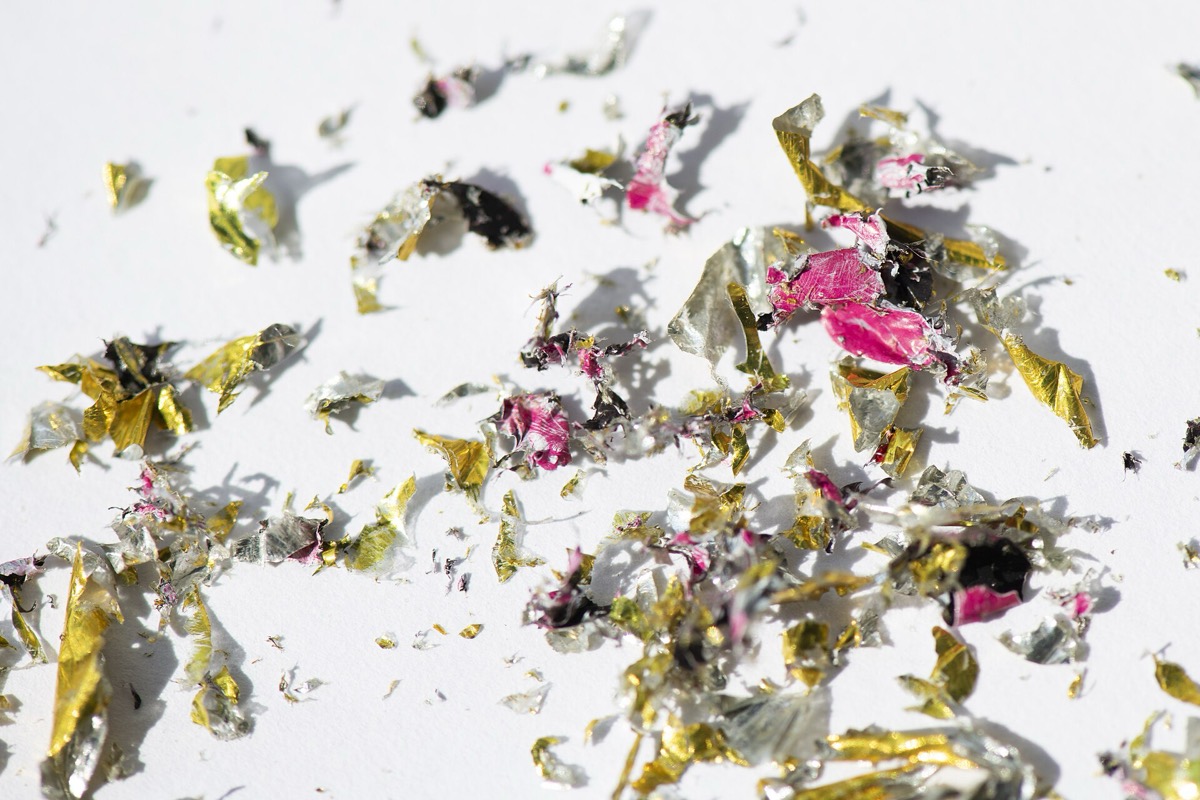
Every fragment was pigmented, which is the detail that points back to a source. Three were identified as stained , a thermoplastic polymer. For the other nine only the pigments could be identified, and those are all used in man-made coatings, paints, adhesives, plasters, finger paints, polymers, and cosmetics and personal care products.
Microplastics are particles smaller than five millimeters, produced as plastic objects in the environment degrade. They are known to move from the environment into living organisms, mammals included. What had not been shown was whether they reach the placenta, which is the tissue standing between a pregnancy and everything else.
The study is small and direct. Six human placentas were collected from consenting women with physiological pregnancies, meaning normal ones, and analyzed by Raman microspectroscopy to evaluate whether microplastics were present. Every particle found was then characterized for morphology and chemical composition rather than merely counted.
Twelve microplastic fragments were found, across four of the six placentas. They ranged from five to ten micrometers in size and were spheric or irregular in shape. Their positions matter: five were on the fetal side, four on the maternal side and three in the chorioamniotic membranes, which is a distribution through the tissue rather than a deposit on one surface.
All twelve were pigmented. Three were identified as stained polypropylene, a thermoplastic polymer. For the remaining nine only the pigments could be identified, and all of those are used in man-made coatings, paints, adhesives, plasters, finger paints, polymers and cosmetics and personal care products. Two cautions: six placentas is a very small sample, and the study reports presence only. Nothing here measures an effect on the pregnancy or the child.
wat. Twelve plastic fragments, on both sides of the barrier meant to keep things out.
wat wat
The placenta is the interface that is supposed to filter what reaches a fetus. Particles on both its sides mean the question is no longer whether microplastics can get that far.
How do we know?
Six human placentas from consenting women with physiological pregnancies were examined by Raman microspectroscopy, and every particle found was characterized for both morphology and chemical composition.
What is still unknown
Six placentas, twelve fragments, and no measurement of any effect. The study establishes presence, not harm, and the pigment identifications point at categories of product rather than at any specific exposure.
Learn something?
Where to next
 We keep finding microplastics everywhere. Does anyone know what they do to a body?microplastics
 How does a pregnant woman stay upright with the weight out front?pregnancy