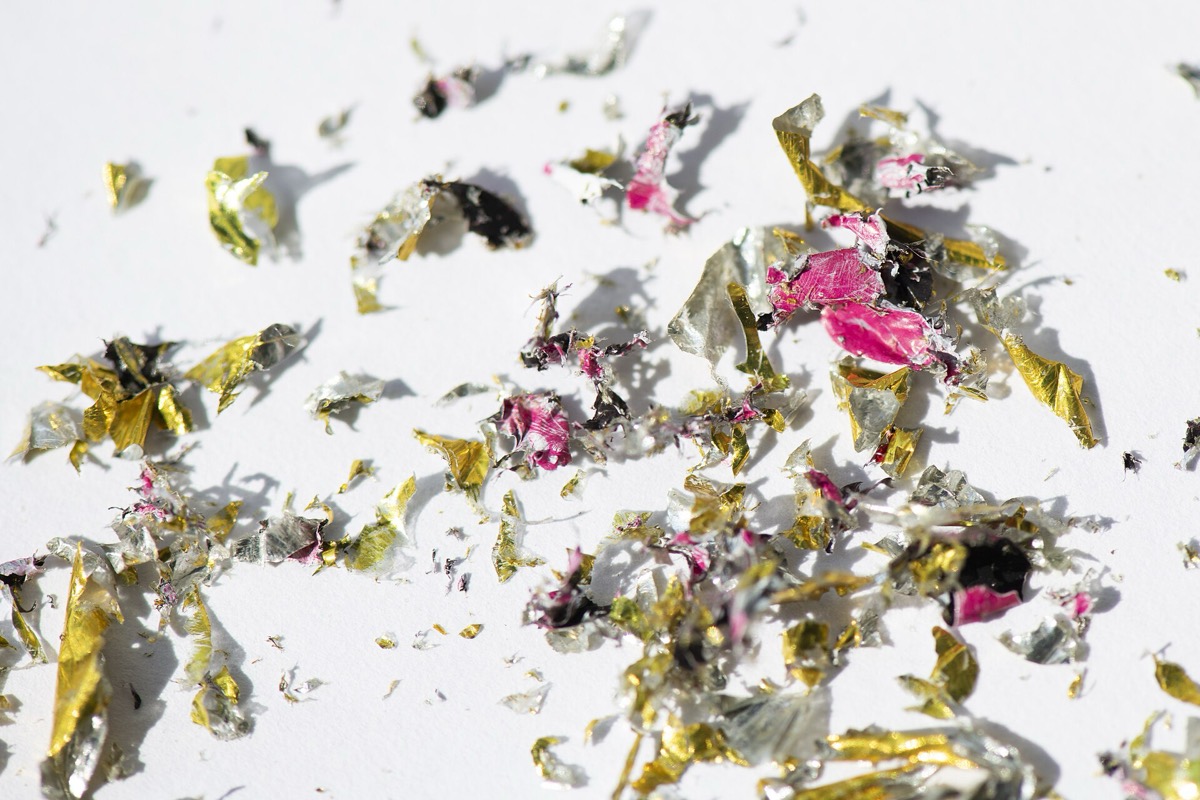
is not one substance. The particles differ in size, in shape and in which polymer they are, pollutants from the environment stick to their surfaces, and the plastic carries put in at the factory. They have turned up in food, in water, in air and in people. So what is known about what they do in there?
Much less than the detection headlines imply. The review maps the exposure routes through food, water and air, along with the additives worth worrying about. Its central point is what is missing: the doses people actually receive, and what those doses do over decades. Finding a particle in a body is not a measure of harm from it.
Microplastic has been found almost everywhere anyone has looked, so thoroughly that some scientists treat it as the marker of a new epoch, . The interesting question is therefore not whether it is there but what it does, and the honest answer is still mostly unsettled.
The trouble starts with the definition. There is no single substance here. Particles differ in size, in shape and in polymer, and environmental pollutants adsorb onto their large surface area relative to volume. The plastic itself contains additives, some of them studied separately as hormone disruptors.
The review maps exposure through food, water and air and catalogues the substances of concern, and it is explicit about the gap. What is thin is data on the doses people actually take in, and on effects across a lifetime rather than in a short exposure at a high concentration.
Detection has outrun dosimetry, which is the whole shape of the problem. Presence in a body is not harm, and needs quantity, mechanism and duration. Holding that line protects against the comfortable dismissal and against the fear that outruns the evidence, and the 2020 review is a map of the gaps rather than a verdict.
wat. Microplastic is a mixture of particles and additives, so the risk depends on which kind, how much, and for how long.
wat wat
Separating presence from risk guards against both complacency and alarm that no exposure figure supports.
How do we know?
A detailed review of the literature went through the exposure routes, the chemical additives used in the plastics industry, and the studies on what plastic particles may do once they are inside.
What is still unknown
The review came out in 2020 and the field moves fast. It is also a survey of what is known rather than a pooled analysis of clinical outcomes, so it cannot give a number for risk.
Learn something?
Where to next
 Why do investors prefer a company they know, even when it concentrates the risk?risk
 Can an elephant tell from a voice whether the person is dangerous?risk
 Why do the most speculative stocks all rise and fall together?risk