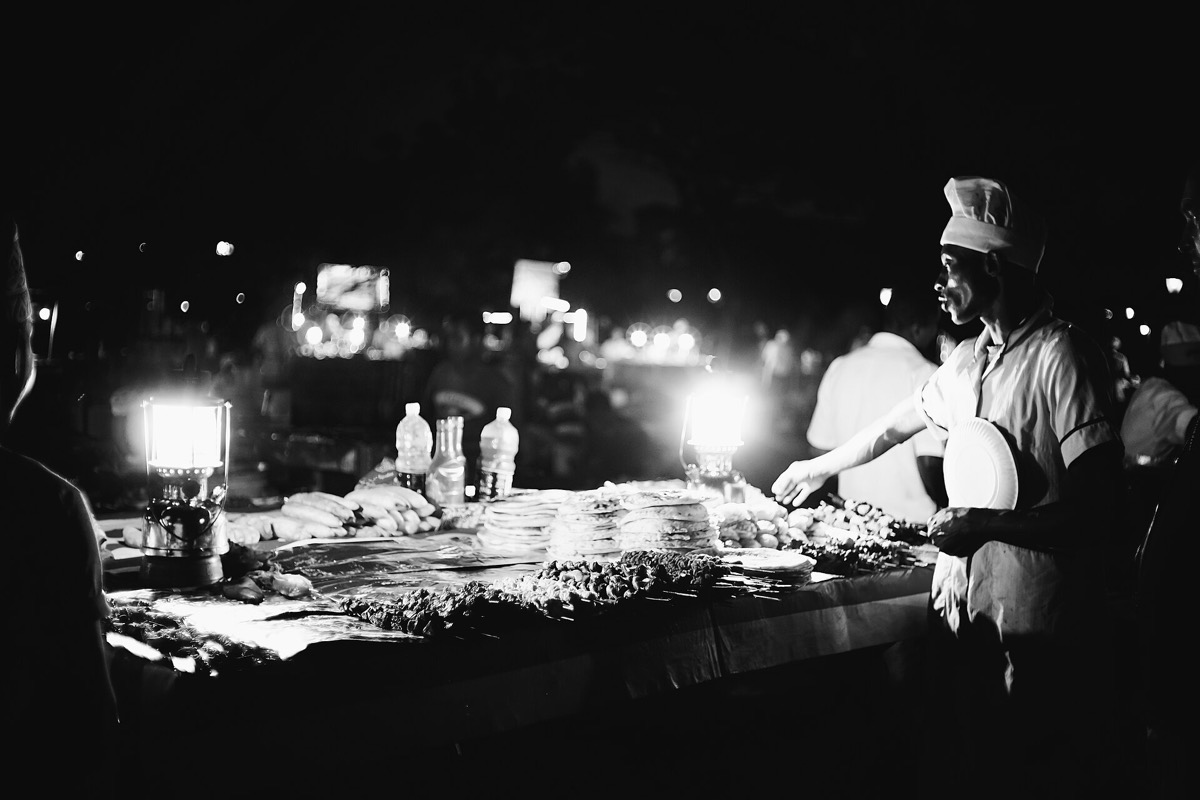
is marketed almost entirely on authenticity: eat what the locals eat, where they eat it. That is a claim about what produces a memorable experience, and it is testable by asking people. So more than 1,000 respondents across four countries were asked to describe their single most memorable food or drink travel experience, and the descriptions were analyzed qualitatively. What was actually in them?
Five elements, and often not local food. found five general elements behind memorable food travel experiences: the food or drink consumed, the location or setting, the companions, the occasion, and such as novelty and authenticity. While local or authentic foods were often mentioned, many experiences involved foods that were not local. A memorable destination was not required either.
Culinary tourism is sold on authenticity, and the implicit claim is that eating local produces the memorable experience. This study identified the elements that actually lead to memorable food, drink or culinary experiences while traveling, which is a way of checking that claim against what people report.
More than 1,000 respondents in four countries described their most memorable food or drink travel experience in their own words. Qualitative analysis of those accounts found five general elements: the food or drink consumed, the location or setting, the companions, the occasion, and touristic elements such as novelty and authenticity.
The elements were frequently mentioned together, and a was sufficient on its own. An extraordinary view or an extraordinary entrée could create a memorable experience by itself, which is why the array of reported experiences ranged from gourmet to simple and from intentional to serendipitous.
Two findings cut against the marketing. While local or authentic foods were often mentioned, many experiences included foods that were not local. And a memorable destination was not required for a memorable food or drink experience. The elements behind memorable culinary tourism were also more specific than those behind memorable tourism in general. Read the method before the lesson: these are recollections, analyzed for themes, selected by asking for the most memorable case.
wat. The meals people remembered from travel rested on five elements, and plenty of them involved food that was not local at all.
wat wat
It takes apart the marketing. If a view or a single dish can carry a memory on its own, and the food need not be local at all, then authenticity is one ingredient among five rather than the point.
How do we know?
Stone, Soulard, Migacz and Wolf asked more than 1,000 respondents in four countries to describe their most memorable food or drink travel experience, then analyzed the accounts qualitatively to identify recurring elements.
What is still unknown
Self-reported recollections analyzed qualitatively, which identifies elements people mention rather than measuring what caused the memory. Asking for the most memorable experience also selects for unusual cases by design.
Learn something?
Where to next
 Why do people choose to visit a place tied to disaster or death?travel
 Does living abroad really make a person more creative?travel
 Why does telling a festival story together change the memory of it?travel