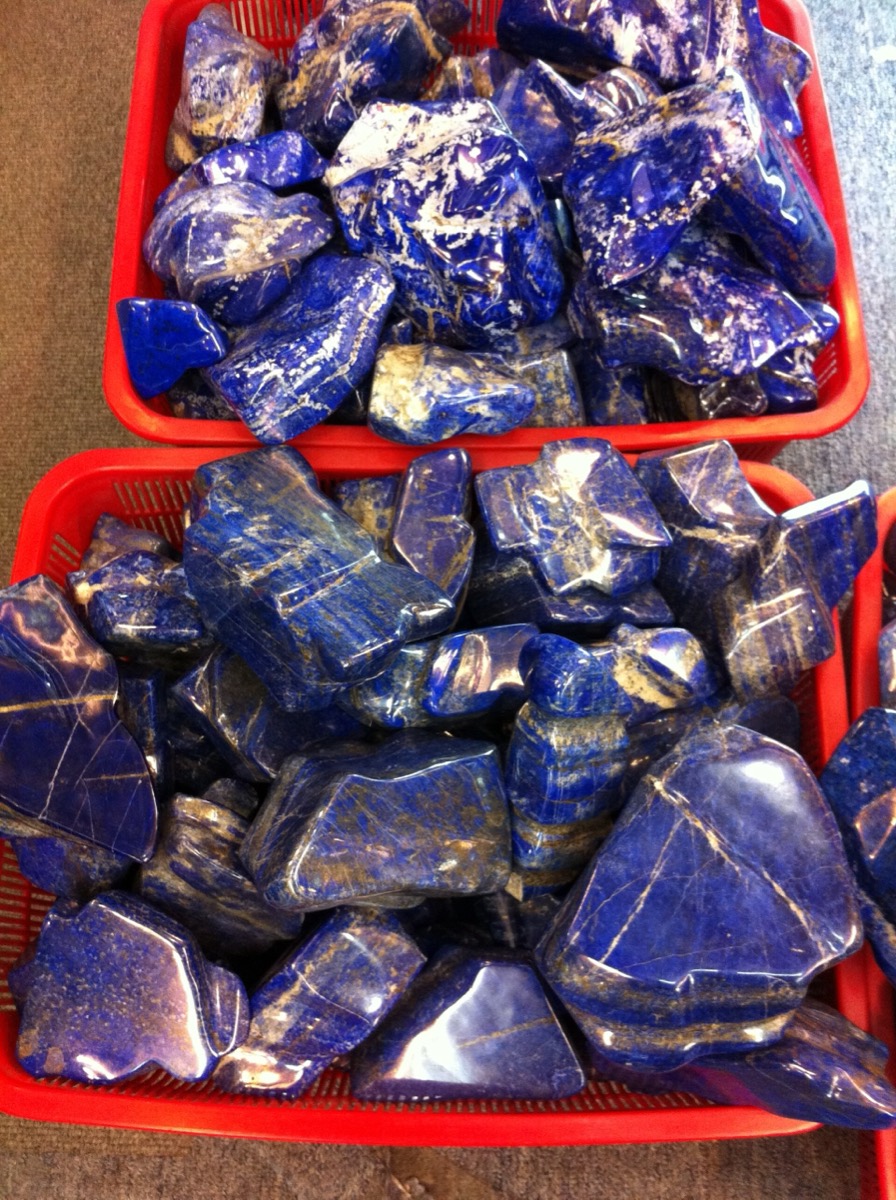
Painting is more than 30,000 years old, and what painters could use has always been set by what was available. Yellow and red ochre came out of surface minerals and black out of charcoal, so cave painters had them. The blue of sky and water is not a surface mineral anywhere convenient. A review traces the two blues that carried painting from Ancient Egypt to the seventeenth century.
One was manufactured and one had to be imported. was a synthetic product, made in kilns, and its recipe was lost with the fall of the Roman Empire. , an expensive imported mineral pigment ground from lapis lazuli, replaced it during the Renaissance. The review follows the crystal structure housing the in each, the mechanism of color formation, and the route from ancient kilns to industrial production.
Painting, from its beginnings over 30,000 years ago, has been conditioned by the availability of pigments, whether mineral or synthesized by ingenious craftsmen and manufacturers. The yellow and red ochres of cave painting came from surface minerals, and black from charcoal, so all three were simply there to be picked up.
Blue was not. The blue of sky and water was the last color to appear in painting, which is a fact about geology and chemistry rather than about taste. This lecture text considers the two blue pigments that dominated painting from Ancient Egypt to the seventeenth century, before industrial pigments arrived.
The first is Egyptian blue, a synthetic product. The second is ultramarine blue, an expensive imported mineral pigment that replaced Egyptian blue during the Renaissance. The recipe for Egyptian blue was lost with the fall of the Roman Empire, which is why a manufactured pigment gave way to an imported one rather than the other way around.
For both, the review discusses in detail the crystal structure that houses and protects the chromophore, and the nature of the chromophore itself. It also covers the mechanism of color formation and the progress of , from ancient kilns to industrial production and to student laboratory exercises. The impact of availability and cost on the development of painting is then illustrated chronologically through paintings from Ancient Egypt to Impressionism. Note that this is a synthesis of established chemistry and art history rather than new measurement.
wat. Blue arrived late in painting because it had to be either manufactured in a kiln or imported at ruinous cost from a single mineral.
wat wat
It reads art history as a supply problem. Which blues a painter could afford, and in what century, shaped what got painted, and the review follows that through from Ancient Egypt to Impressionism.
How do we know?
Fabbrizzi reviews the chemistry and history of Egyptian blue and ultramarine blue. The coverage runs from crystal structure and the nature of the chromophore to the mechanism of color formation and synthesis, illustrated chronologically through paintings.
What is still unknown
A review and lecture text rather than new measurement, so it synthesizes established chemistry and art history. The link between pigment cost and the development of painting is illustrated chronologically rather than tested.
Learn something?
Where to next
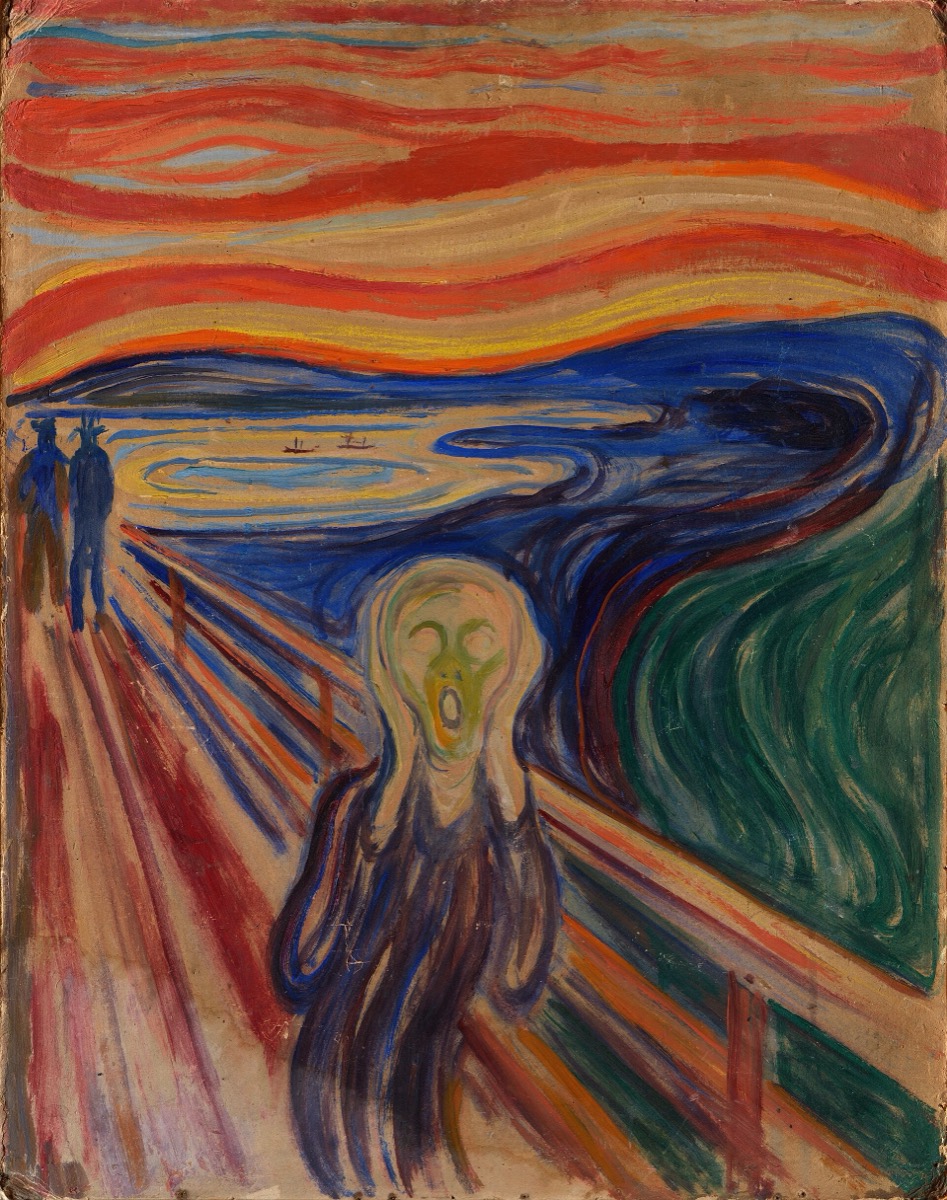 What is actually fading The Scream?pigments
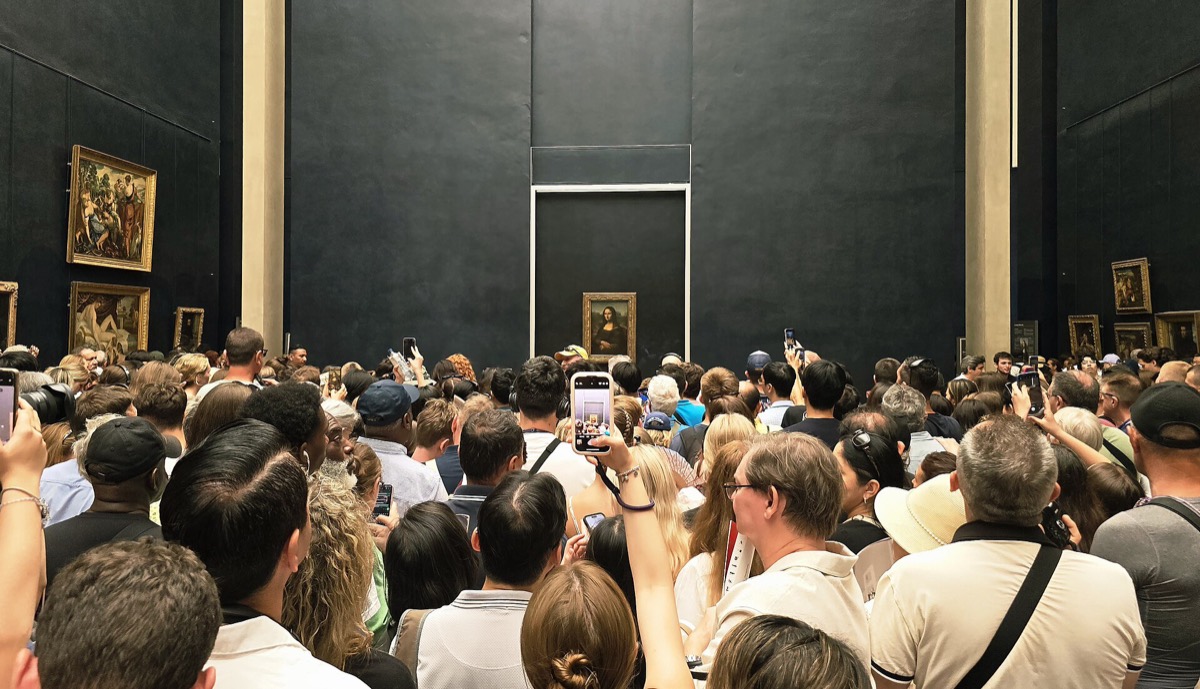 What did Leonardo put down before he painted the Mona Lisa?pigments
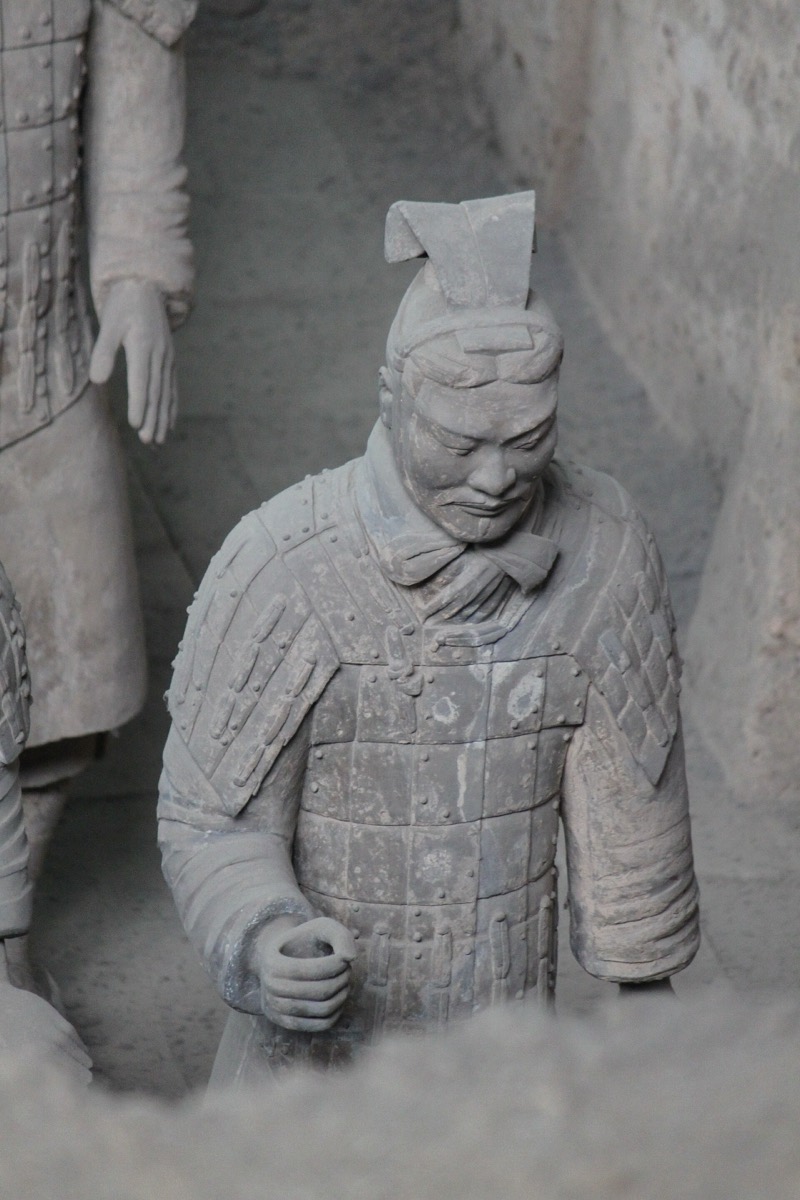 What was painted on a Han dynasty tomb wall?pigments