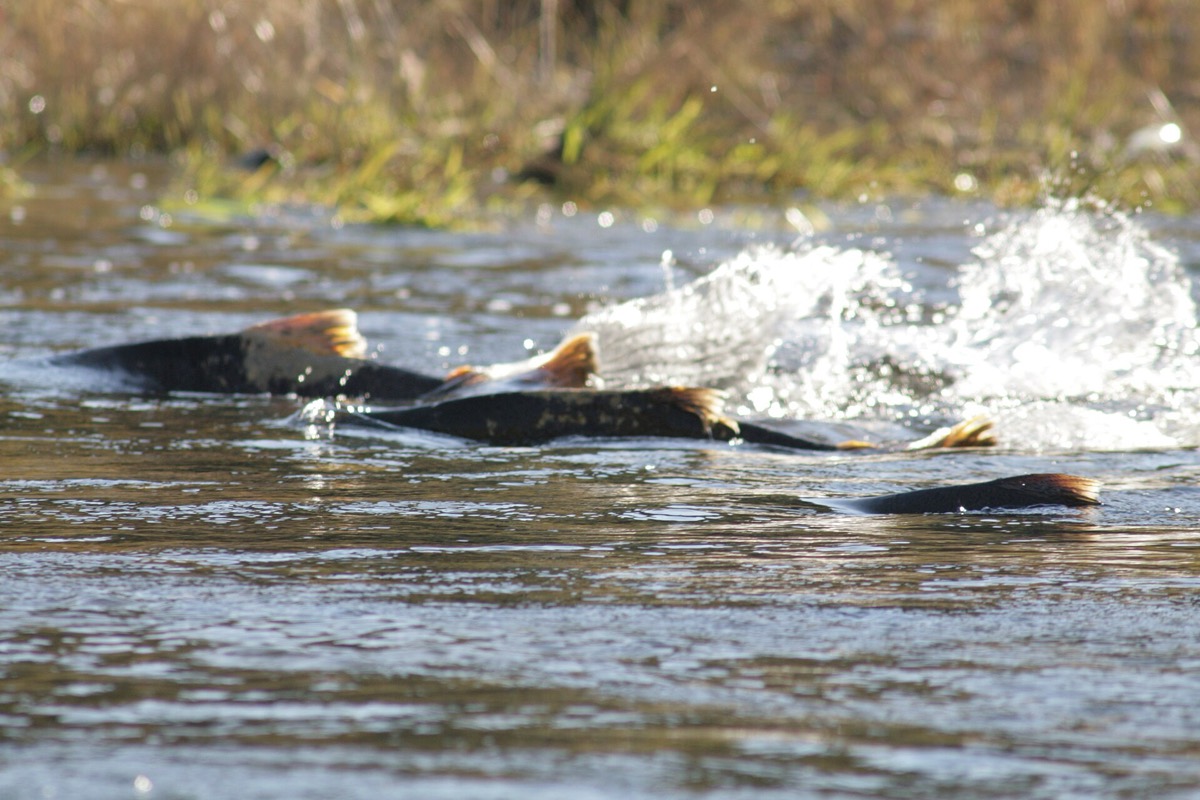
In 2024 four dams were removed from , reopening hundreds of kilometers of swimming routes blocked for decades. The question is how fast fish find a new way. So how fast?
Within two seasons, almost everywhere. , an instrument that detects fish with sound waves in water, was used to estimate how many moved up the reopened reaches. The estimates were about 7,742 fish in the first season and about 13,310 in the second. Within two seasons the fish reached 88 per cent of where they had been recorded before. That is a fast return, and not yet proof of stable breeding populations there.
Dams block salmon returning from the ocean to breeding grounds upstream. Removing four dams on the Klamath reopened more than 640 kilometers of potential habitat.
The team ran fixed sonar on the route into the reopened reaches. The estimates put about 7,742 adult Chinook salmon through in 2024 and about 13,310 in 2025, figures that carry ranges of uncertainty rather than a fish-by-fish count.
Within two seasons fish were seen along about 345 kilometers of reopened reaches, up to an elevation of about 1,250 meters. Together they reached 88 per cent of the documented historical range, despite channels and passage routes that still present obstacles.
A fish that arrives does not necessarily form a breeding population. To know whether the restoration succeeded over time you have to follow spawning, juveniles returning to sea, water quality and further years of migration.
wat. Two years after the Klamath dams came out, Chinook salmon had already reached most of the recorded historical range.
wat wat
Opening a blocked passage can bring a fast response from animals, and restoring a whole river system demands longer monitoring.
How do we know?
Fixed sonar counted fish passing upstream in the first two migration seasons after the dams were removed, and the routes were compared with the historical distribution.
What is still unknown
The work measures the passage of adult fish and their arrival in an area, not spawning success, juvenile survival or the stability of the population across decades.
Learn something?
Where to next
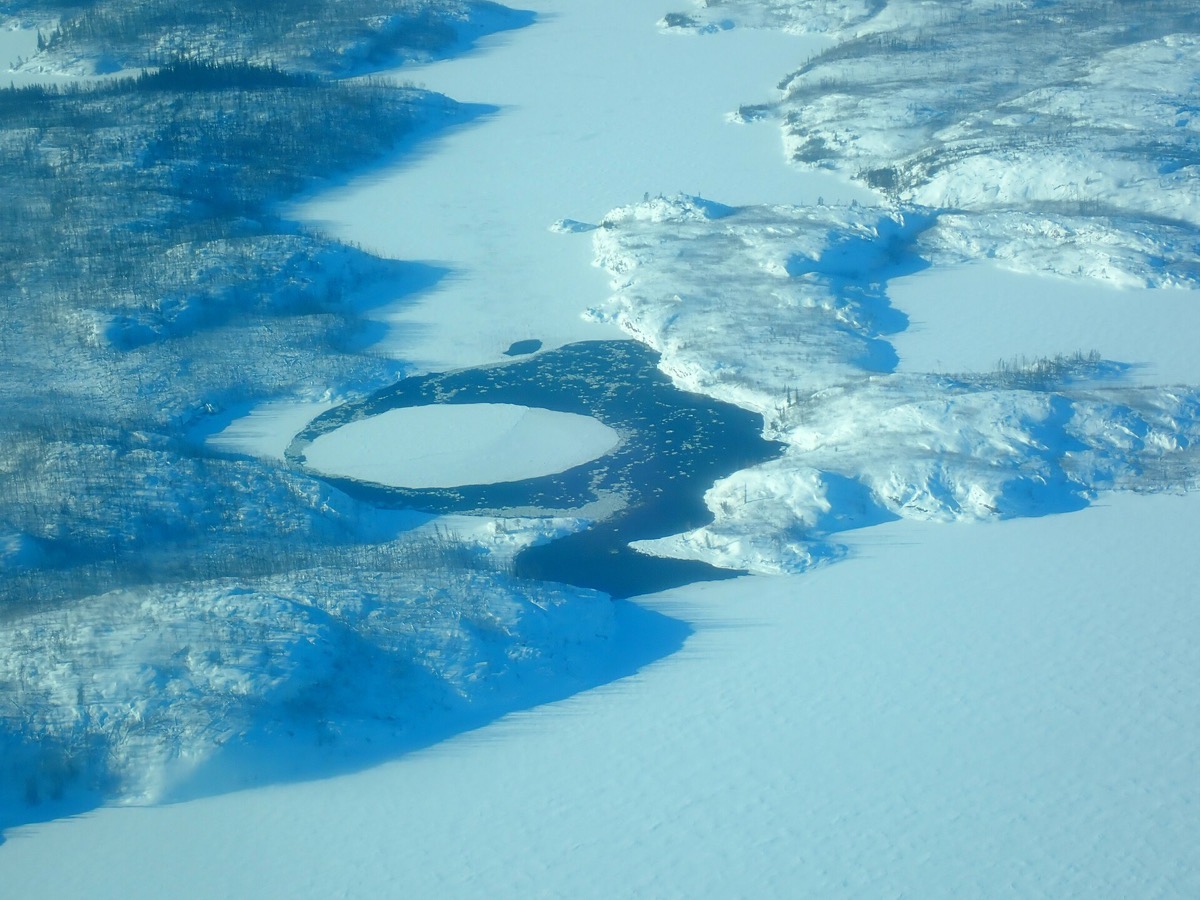 How does a round disk of ice start turning on still water?rivers
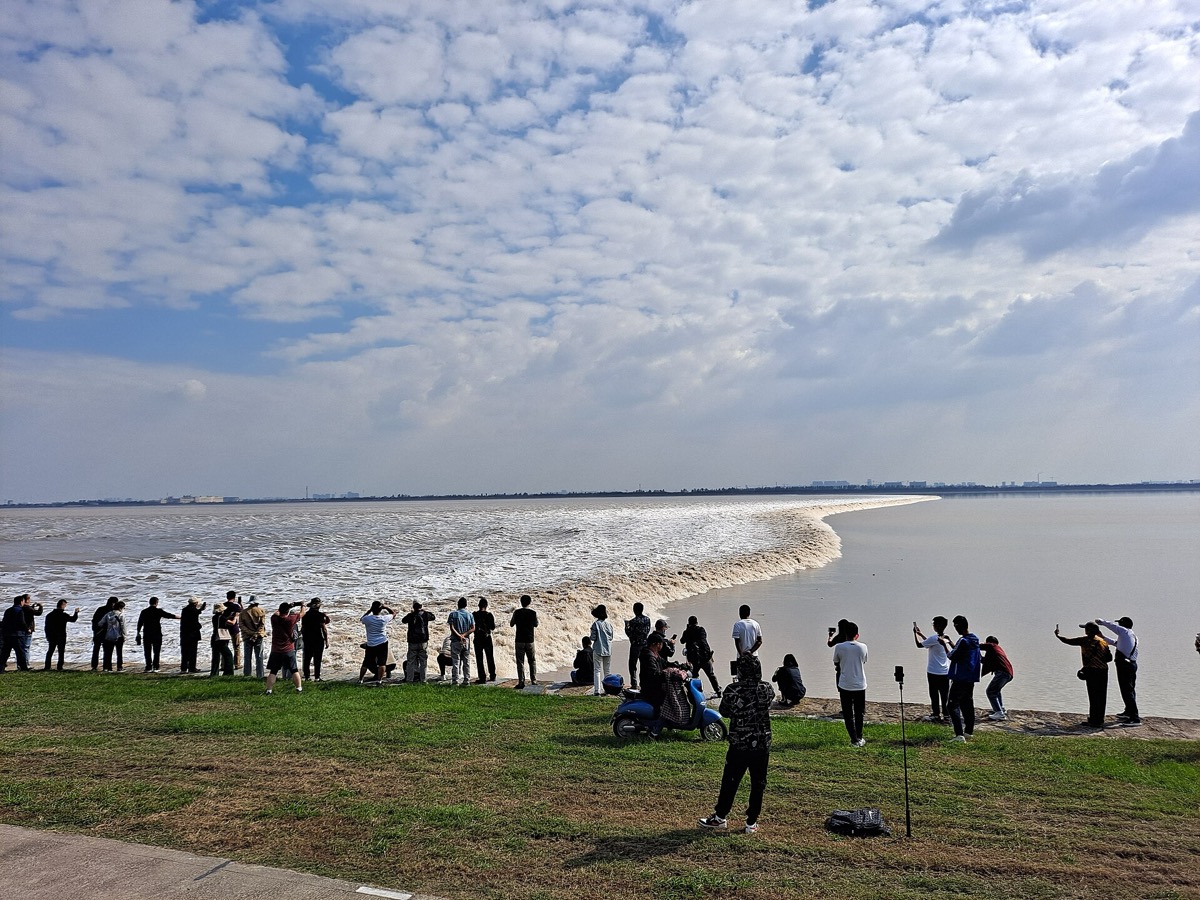 How does a tide from the sea turn into a wave that runs up a river?rivers