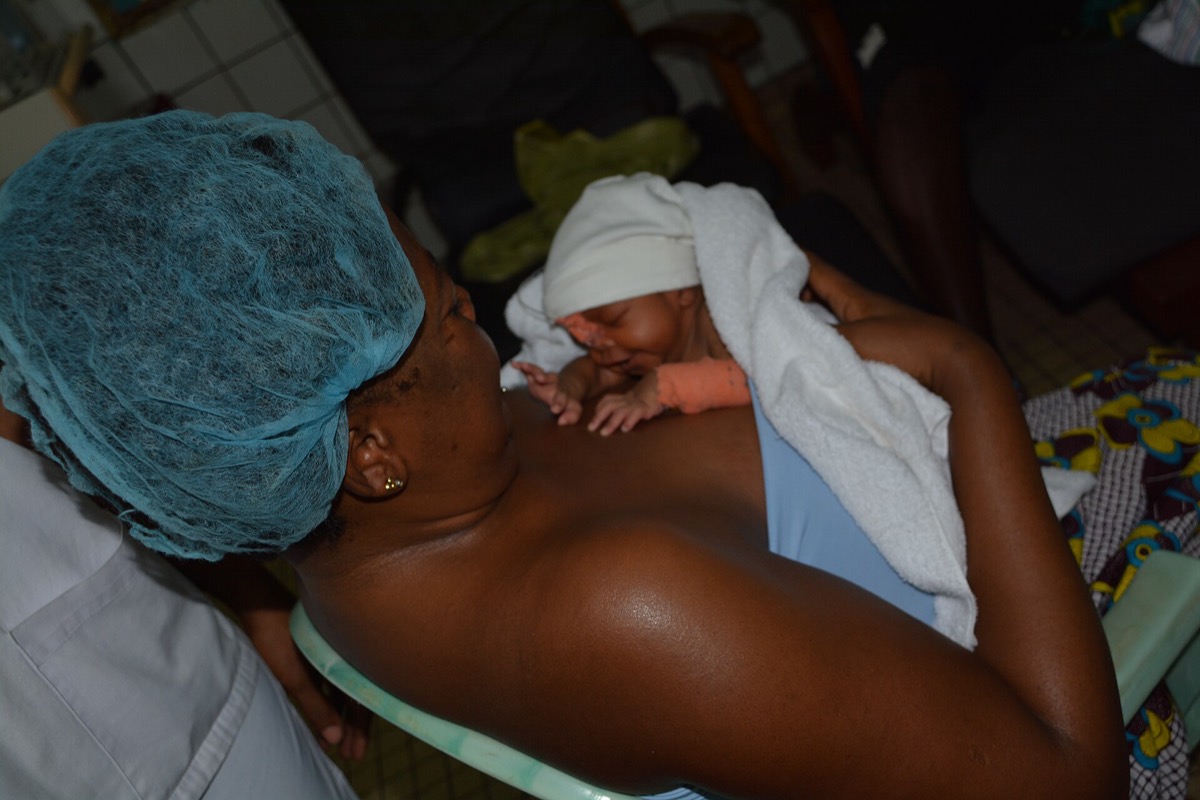
puts a preterm baby skin to skin on a parent’s chest. A Colombian randomized trial run between 1993 and 1996 found benefits at one year for survival, neurodevelopment, breastfeeding and bonding. The obvious question is whether any of that lasts. Two decades later the same team went looking for the same people. How much of the original effect was still there?
Some of it survived, concentrated in the frailest children. Among those born at or below 1800 grams, the gains in IQ and seen at one year were still present twenty years later. Kangaroo parents were more protective and nurturing, and their young adult children showed less school absenteeism, hyperactivity, aggressiveness and socially deviant conduct. Neuroimaging found a larger .
Kangaroo mother care means holding a preterm or low birth weight baby skin to skin on a parent’s chest, with support for breastfeeding alongside it. A randomized trial in Colombia between 1993 and 1996 documented gains at one year in survival, neurodevelopment, breastfeeding and the quality of the bond.
Between 2012 and 2014 the team went back. They identified 494 of the 716 participants known to be alive, 441, and analyzed the 264 who had weighed 1800 grams or less at birth. Health, neurologic, cognitive and social functioning were compared with neuroimaging, neurophysiological and behavioral tests.
The cognitive effect had not vanished. In the most fragile individuals, the one-year advantages in IQ and in home environment were still measurable two decades on. The behavioral picture pointed the same way, with less school absenteeism and less hyperactivity, aggressiveness, externalization and socially deviant conduct among the young adults. Their parents were rated more protective and nurturing.
Neuroimaging showed a larger left caudate nucleus in the kangaroo group, which is a detail to record rather than to lean on. Two cautions carry more weight. Only 62 percent of the original cohort was re-enrolled, and the IQ persistence was found in the frailest subgroup rather than across the whole sample. The social and behavioral protection is the part the authors put forward. They judge it strong enough to argue for extending the method to the 18 million infants born each year who qualify for it.
wat. Twenty years after the skin-to-skin weeks, the frailest babies still carried the IQ gain, and their parents were still the more protective ones.
wat wat
Hardly any trial of anything is followed for twenty years, and almost none for an intervention whose whole cost is a parent’s chest and time.
How do we know?
Charpak and colleagues traced 494 of the 716 surviving participants of the original trial and re-enrolled 441. Results came from the 264 who had weighed 1800 grams or less at birth, using neuroimaging, neurophysiological and behavioral tests.
What is still unknown
Only 62 percent of the original participants came back, and the IQ result held in the most fragile subgroup rather than across everyone, so the headline belongs to the smallest and sickest babies.
Learn something?
Where to next
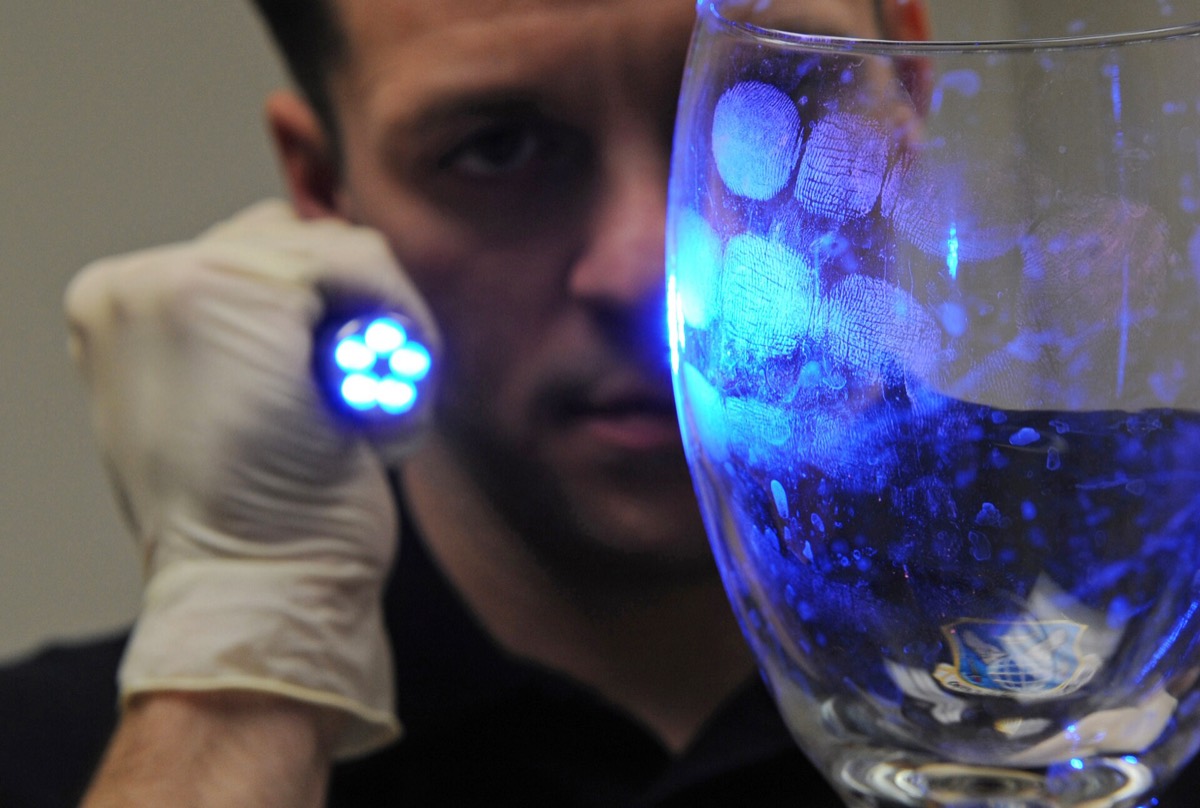 Why does no two people share a fingerprint, not even identical twins?development
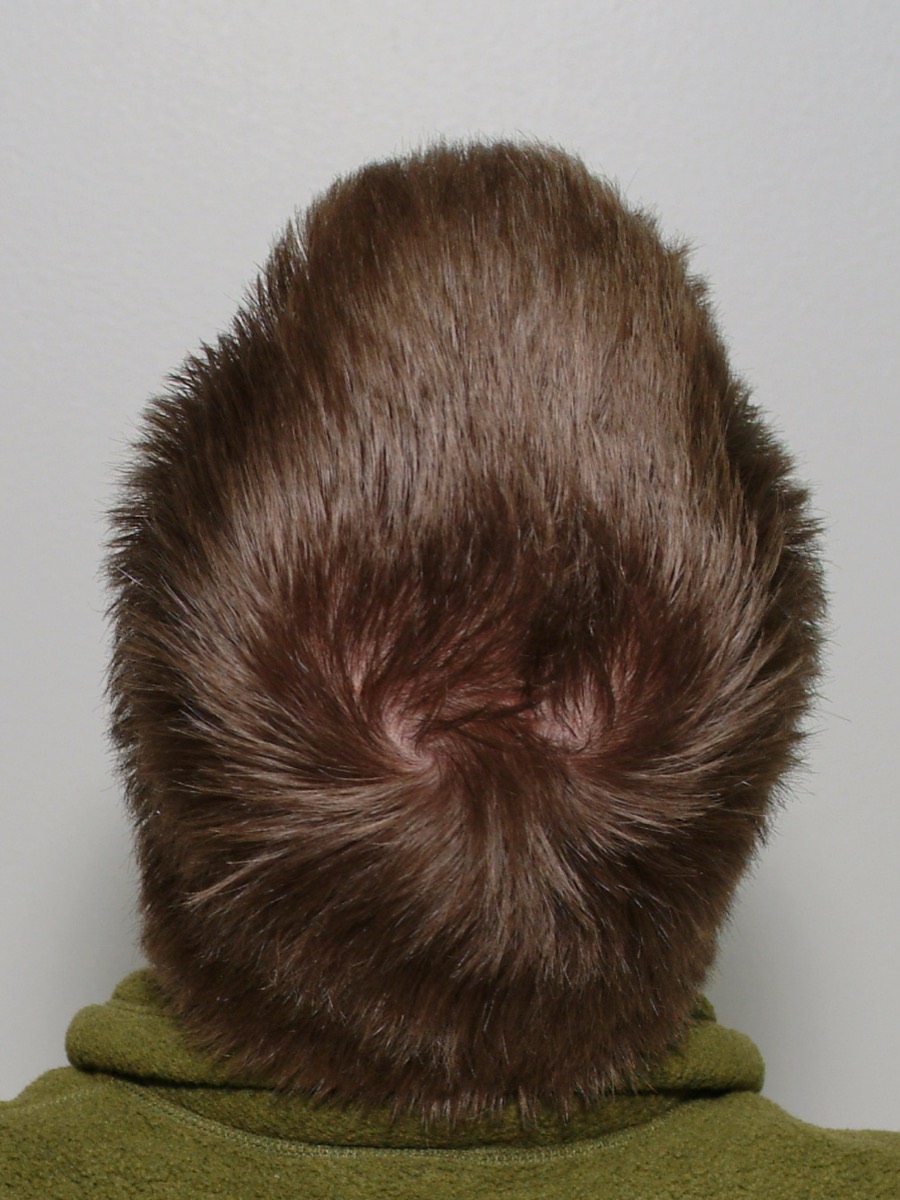 What decides which way the whorl on the back of your head turns?development