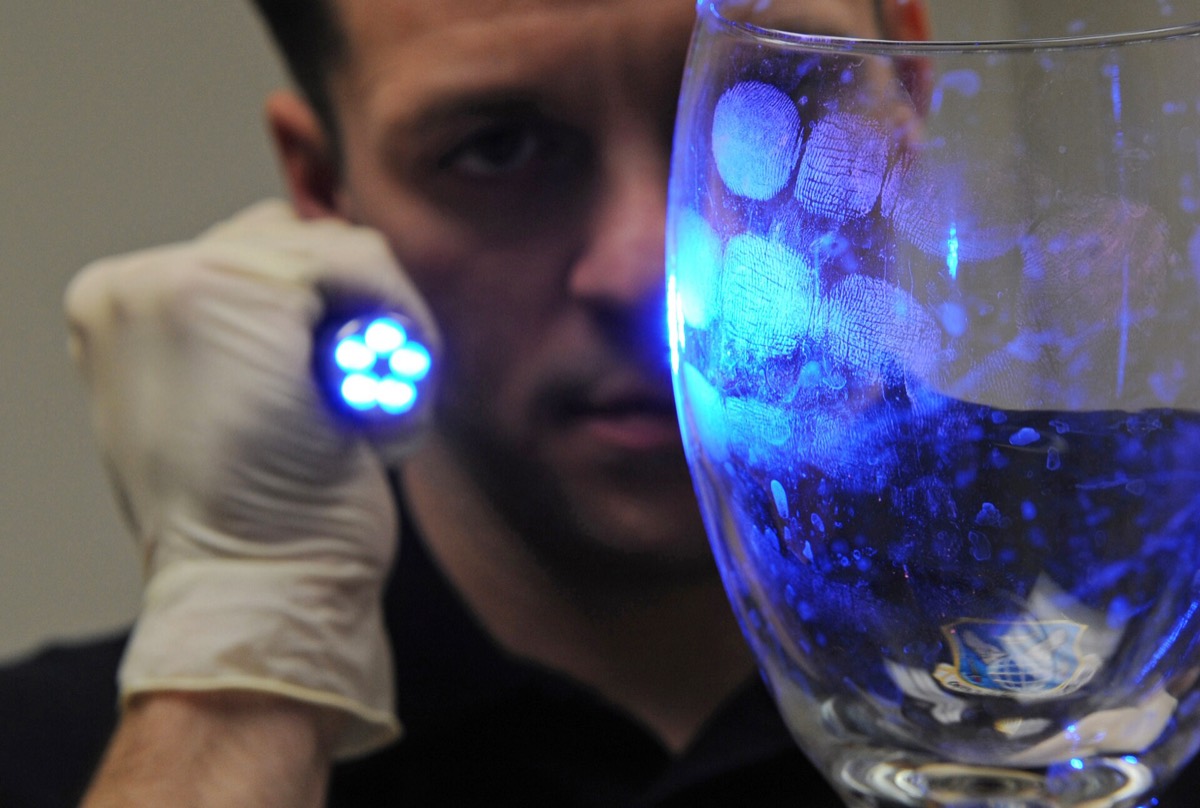
Fingerprint patterns fall into a few classes, arches, loops and , and the pattern on each of your fingers differs from the pattern on the others. Pattern formation is largely genetic, yet identical twins have different fingerprints, and so do siblings. Something between the genes and the finished ridge is adding variation. What is it?
The womb. The pattern forms before birth. The of skin grows faster than the layers either side of it, and around the tenth week of pregnancy the strain folds the epidermis into the dermis. By seventeen weeks the pattern is set. What happens during that window is not identical for any two fetuses.
The usual explanation for why ridged fingertips exist at all is grip. By limiting the surface area of skin making contact, the grooves improve the rate between finger and object, which pairs well with opposable thumbs for anyone carrying things or grasping rocks and tools. For tree-dwelling ancestors the same advantage applies to branches.
The comparative evidence points the same way. Chimpanzees and gorillas have them, and so do koalas, which are marsupials and not closely related to primates at all, so they would have developed similar prints independently for climbing and hanging. That makes ridged fingertips look like an attribute acquired by animals with an arboreal lifestyle. A second theory holds that the grooves improve the sense of touch, and grooved fingertips do produce greater vibrations when sliding against a slightly rough surface.
Formation happens before birth and comes down to uneven growth. The basal layer of skin, sandwiched between the dermis and the epidermis, grows faster than either. Around the tenth week of pregnancy this begins to strain against the layers around it, and the pressure drives the epidermis to fold into the dermis. The resulting pattern is set by about seventeen weeks and stays essentially unchanged for life.
The variation comes from conditions during that window. Pattern formation is largely genetic, but family members differ and identical twins differ, so environmental factors have to be at work. The post lists blood pressure, oxygen levels in the blood, the mother’s nutrition and hormone levels. It adds the exact position of the fetus at a given moment, the composition and density of the touching it, and the length of the umbilical cord. Repeated activity can wear ridges down, and prints burned or acid-stripped off tend to grow back, since the pattern is imprinted in deeper layers.
wat. Your fingerprints are not written in your genes. They are the record of a fold that happened once, in a particular fetus, in a particular month.
wat wat
A trait used to establish identity turns out to be unique for an unglamorous reason: it is produced by a physical process too sensitive to repeat exactly.
How do we know?
A forensics explainer from the ANSI National Accreditation Board, written for people who work with fingerprint identification, covering why the ridges exist, how they form and what makes each set different.
What is still unknown
An accreditation body’s blog post, not a study. It gives the developmental timeline and the influences in general terms, with the explanation of why the ridges exist at all presented as the likely reason rather than a settled one.
Learn something?
Where to next
 What else does the tiny muscle that gives you goosebumps do?skin
 What are wrinkled fingertips for?skin
 What decides which way the whorl on the back of your head turns?development