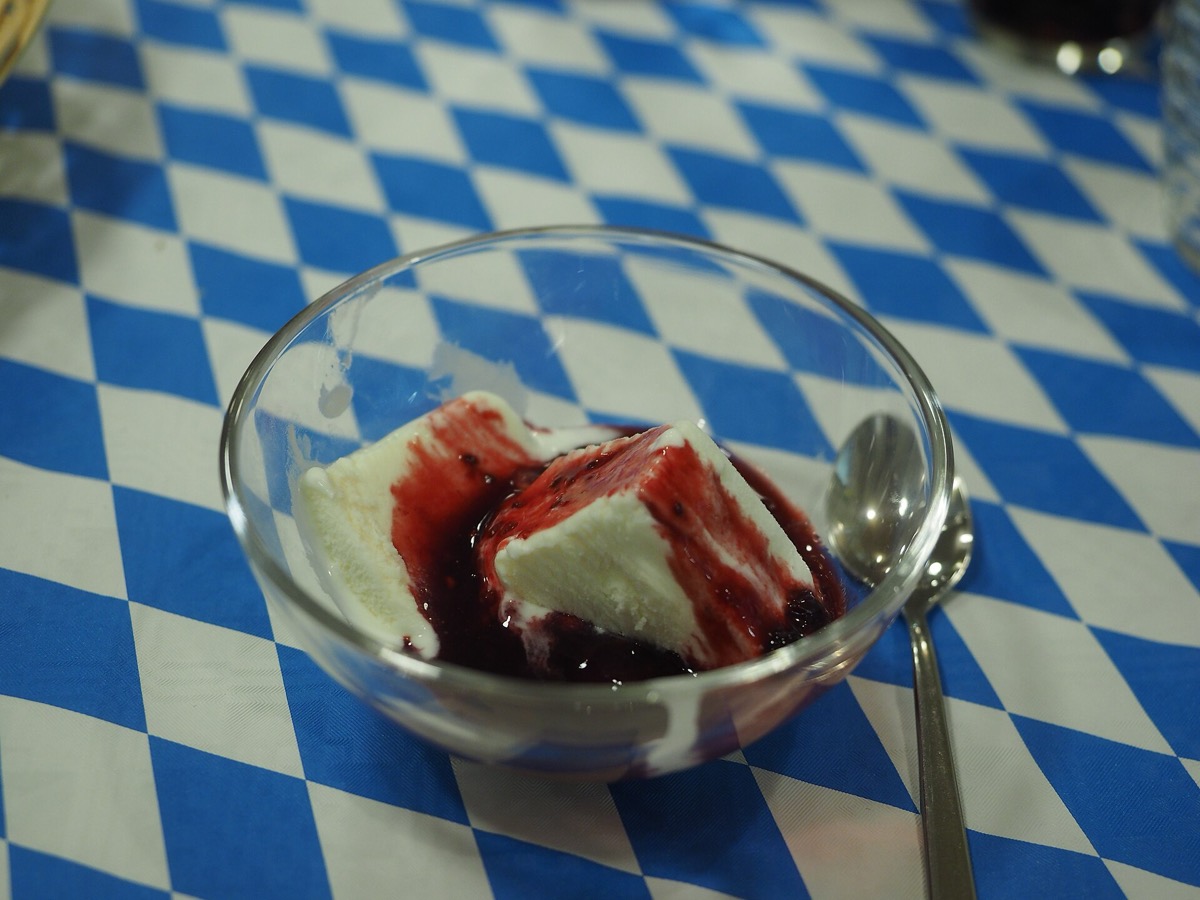
High-dose before a stem cell transplant frequently leaves the mouth raw, and does more to wreck a patient’s quality of life than almost any other side effect. Cooling the mouth during the infusion is an established preventive strategy, usually with ice chips. One team looked back at records to ask whether commercial ice cream would do the same job. What did the charts show?
Half the rate of mouth sores. Among 74 patients who had received high-dose melphalan conditioning, 52 had taken ice cream as . Oral mucositis developed in 15 of them, 28.84 percent, against 13 of the 22 without it, 59.09 percent. In a multiple linear regression, cryotherapy remained a significant protective factor, and the melphalan dose also related to mucositis.
Oral mucositis is one of the most frequent adverse events of high-dose conditioning chemotherapy with melphalan before autologous hematopoietic stem cell transplantation, and it significantly reduces quality of life. Cryotherapy, cooling the mouth during the infusion, is an established preventive strategy, normally delivered as ice chips.
The question here was whether commercially available ice cream could do the same job. The team analyzed 74 patients after transplantation, looking for a relationship between mucositis, cryotherapy in the form of ice cream, and the melphalan dose, which was either 140 or 200 milligrams per square meter.
Of the 74 patients, 52 had received cryotherapy. Oral mucositis developed in 15 of that group, 28.84 percent, compared with 13 patients, 59.09 percent, in the group without it. In a multiple linear regression test, cryotherapy remained a significant protective factor against mucositis, and the relationship with melphalan dose also held.
The authors put it as an association and propose ice cream as a potentially cost-effective, less burdensome and easy method of prevention. The design is why the wording stays cautious. This is a retrospective analysis of 74 charts with no randomization, so the patients who ate ice cream were not assigned to, and whatever led to that difference comes along with the comparison.
wat. Mouth sores appeared in 29 percent of the patients who ate ice cream during the infusion and in 59 percent of those who did not.
wat wat
The intervention is ice cream. If it genuinely substitutes for ice chips, that is a cheap, pleasant and easily implemented alternative in a setting where very little is pleasant.
How do we know?
Jasiński and colleagues retrospectively analyzed records of 74 patients after autologous stem cell transplantation, comparing oral mucositis rates by whether the patient had taken ice cream during the melphalan infusion and by melphalan dose.
What is still unknown
This is a retrospective record review, not a trial. Nobody was randomized to ice cream, so the patients who had it may have differed in how well they were doing, and 74 charts cannot settle it.
Learn something?
Where to next
 Could a stool transplant make immunotherapy work for more patients?cancer
 How does one rodent survive 18 minutes with no oxygen?cancer
 Why don’t elephants get more cancer than we do?cancer