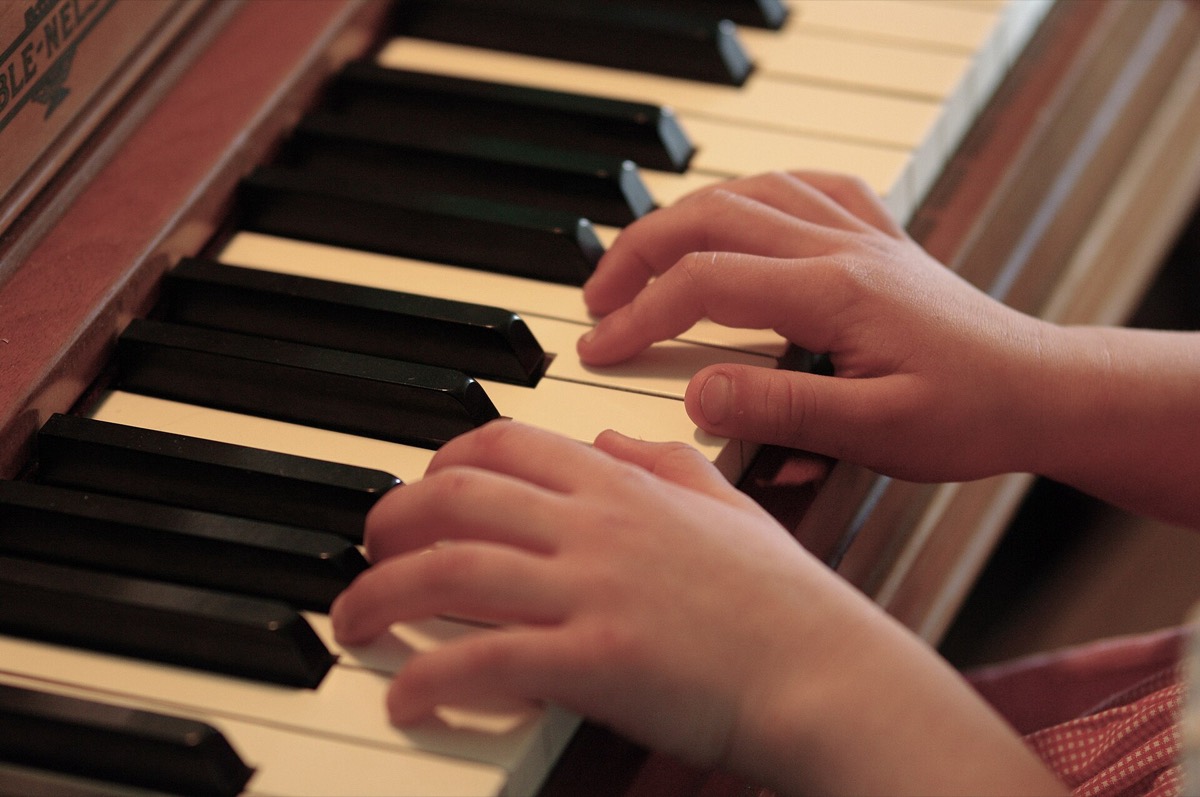
More than twenty years ago, researchers proposed that individual differences in performance in music, sports and games largely reflect differences in the amount of , meaning structured activity designed specifically to improve performance. Popular science writing repeats it constantly. The question is whether the evidence carries it.
A fifth to a quarter, in the where it does most. A covering every major domain where deliberate practice has been studied put it at 26 percent of the in performance for games and 21 percent for music. Sports came in at 18 percent, education at 4 and professions at less than 1.
The proposal is more than twenty years old. Individual differences in performance in domains like music, sports and games largely reflect individual differences in the amount of deliberate practice, defined as structured activity created specifically to improve performance.
It became a staple of popular-science writing, which is what makes a test worth running. The authors ask directly whether the view is supported by empirical evidence, and answer it with a meta-analysis covering all major domains in which deliberate practice has been investigated.
The shares fall in a clear order. Deliberate practice explained 26 percent of the variance in performance for games, 21 percent for music, 18 percent for sports, 4 percent for education and less than 1 percent for professions.
Their conclusion is stated with care: deliberate practice is important, but not as important as has been argued. Nothing here says practice does not matter, and what it does say is that the rest of the variance belongs to something else.
wat. Deliberate practice explained 26 percent of performance variance in games and under 1 percent in professions.
wat wat
The gap between a quarter and everything is where talent, teaching, timing and luck live, and the popular version closes it.
How do we know?
Macnamara, Hambrick and Oswald pooled the studies across all major domains in which deliberate practice has been investigated, and expressed each result as the share of variance in performance that practice accounts for.
What is still unknown
Variance explained is a population measure, so a modest share across people says nothing about how much a given person improves by practice.
Learn something?
Where to next
 How much physical performance is lost after a short night?performance
 Does an ice bath after training actually speed up recovery?meta-analysis
 What changed when basketball players tried to sleep ten hours?performance