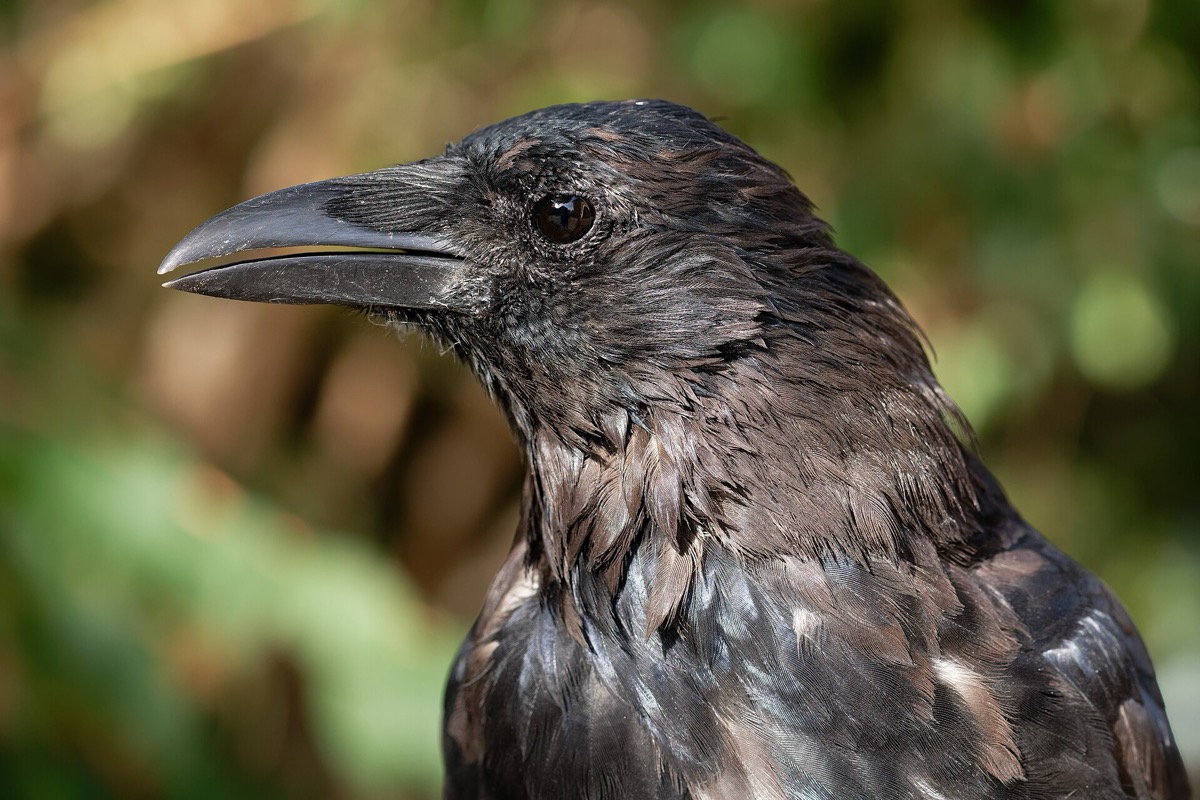
Producing a chosen number of sounds on purpose needs two things at once: a grip on number, and enough control over the voice to stop at the right point. Animals have shown plenty of the first and very little of the second. Liao and colleagues trained carrion crows to answer , each standing for a value from one to four, by calling that many times. Can a crow hit the number?
They can, and the first call gives away the plan. Crows flexibly produced one, two, three or four vocalizations in response to cues that carry no resemblance to the quantity they stand for. The of the first call in a sequence predicted how many would follow, which means the whole sequence was laid out before it began. Features of each unit also predicted its position, enough to read as they happened.
Saying a specific number of things on purpose takes two abilities at once. One is numerical: representing three as distinct from two or four. The other is , meaning the ability to produce exactly that many sounds and then stop, rather than calling until the urge subsides.
Animals have shown numerical abilities repeatedly, in birds, primates and fish. Nobody had found deliberate control of how many calls to make anywhere outside humans. Liao and colleagues trained carrion crows on arbitrary cues, each associated with a value from one to four, and asked for that many vocalizations.
The crows did it, flexibly, across all four values. Because the cues are arbitrary, the birds cannot be reading the number off the stimulus. The quantity has to come from what the cue means to them, and then be turned into a plan for the voice.
The sharper result is in the acoustics. The features of the first vocalization in a sequence predicted the total number that would follow, which means the sequence existed before the second call did. Features of individual units also predicted their order, precisely enough to read out counting errors during production, so the researchers can see a bird lose its place in real time.
wat. The answer is already in the first caw, before the crow has made the second one.
wat wat
Planning a sequence before producing it is a component of speech, and finding it in a bird separates it from language rather than tying it to language.
How do we know?
Liao and colleagues trained carrion crows on arbitrary visual cues associated with numerical values, recorded the vocal sequences produced, and analyzed the acoustic features of each unit.
What is still unknown
Trained birds on a laboratory task with values up to four, and the planning is inferred from acoustic structure rather than from anything the crow reports. Nobody claims the birds are counting the way a person counts.
Learn something?
Where to next
 Can a bird see what makes a square different from a lopsided shape?crows
 Can an animal build a tool out of pieces that are each useless?crows
 Does a crow read a face the way we do?crows