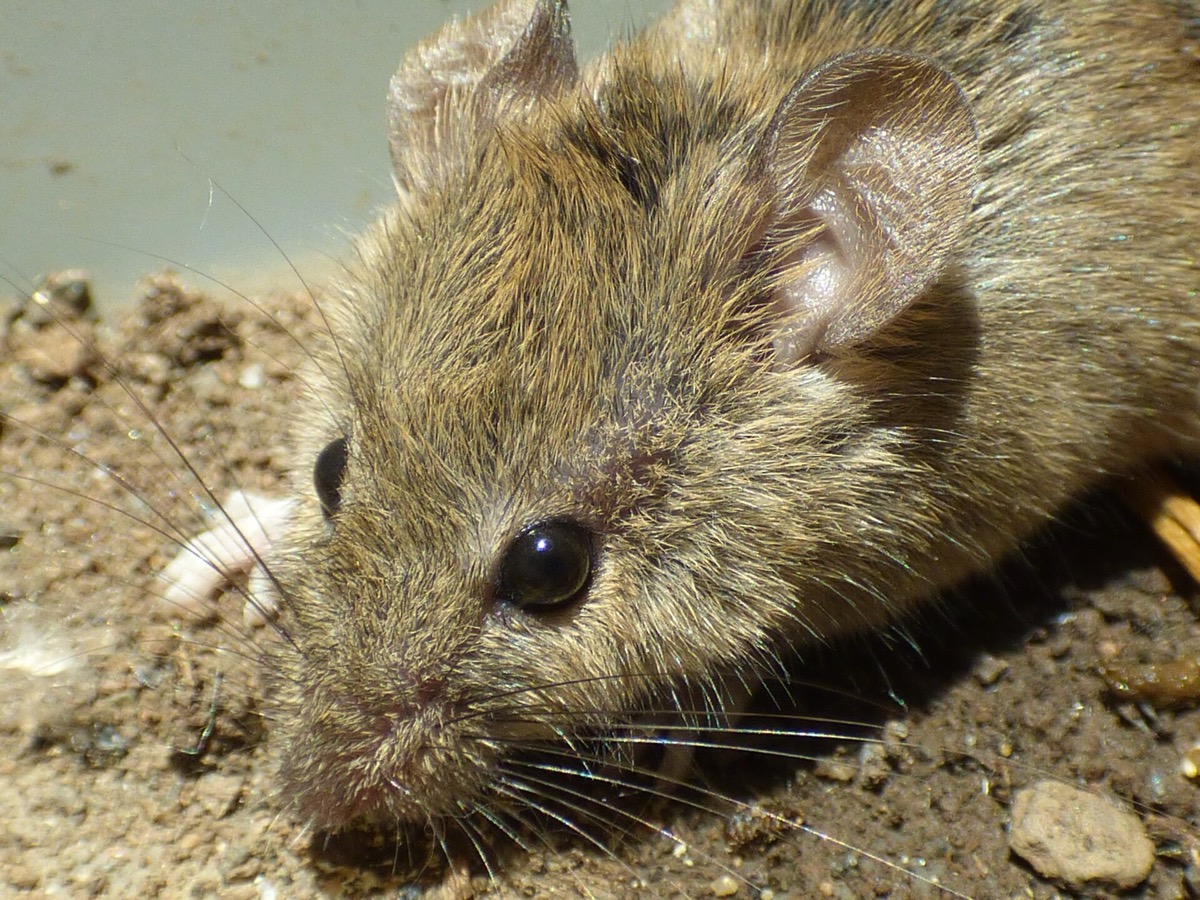
Illness changes body odor, and healthy animals avoid the smell of sick ones, which is a reasonable defense against catching something. The next question is whether smelling sickness does anything to the animal doing the smelling. Gervasi and colleagues made mice ill with a bacterial endotoxin, housed healthy mice alongside them, and then tested whether those healthy cagemates smelled any different. Does exposure leave a trace?
It does, in both the nose test and the chemistry. Mice trained to tell healthy odor from sick odor also told apart healthy mice housed with sick partners and healthy mice housed with healthy ones. The chemical analysis agreed: urine volatiles from the healthy mice with sick cagemates were more likely to be classified as sick than as healthy by the . The sick animals were never infectious.
Body odor tracks health, and animals use that. The smell of a sick individual induces avoidance in healthy ones, which is a sensible defense and has been documented in several species.
Gervasi and colleagues asked the question from the other end. If a healthy animal is exposed to sickness odors day after day, does that exposure change its own physiology, and therefore its own smell? They induced sickness with , a bacterial endotoxin that makes a mouse ill without making it infectious, and cohoused healthy mice with either sick or healthy partners.
The behavioral test used other mice as instruments. Animals trained in a to discriminate healthy odor from sick odor were then offered a different comparison: healthy mice cohoused with sick partners against healthy mice cohoused with healthy ones. They distinguished those too.
The chemistry told the same story independently. The in urine from the healthy mice with sick partners were more likely to be classified as sick than as healthy by a discriminant model trained on the real thing. Sickness odors could therefore cascade into the neuroendocrine or immune responses of whoever is nearby, which would touch individual behavior, social dynamics and the spread of a pathogen.
wat. Housed beside a sick animal, a healthy mouse starts smelling sick itself, to another mouse and to a chemist.
wat wat
If the smell of illness changes the physiology of whoever is nearby, then sickness odors are an exposure in their own right rather than only a signal to avoid.
How do we know?
Gervasi and colleagues induced sickness with lipopolysaccharide, ran Y-maze odor discrimination assays with trained mice, and analyzed urine volatiles with predictive classification modeling.
What is still unknown
Mice in cages, with sickness induced rather than caught, and no measurement of what in the healthy animals actually changed. The odor shift is real; the physiology behind it is inferred.
Learn something?
Where to next
 How does a group of male elephants decide it is time to leave?society
 Does a mouse's squeak have anything in it worth calling a song?mice
 Which sense does a social animal actually run its social life on?society