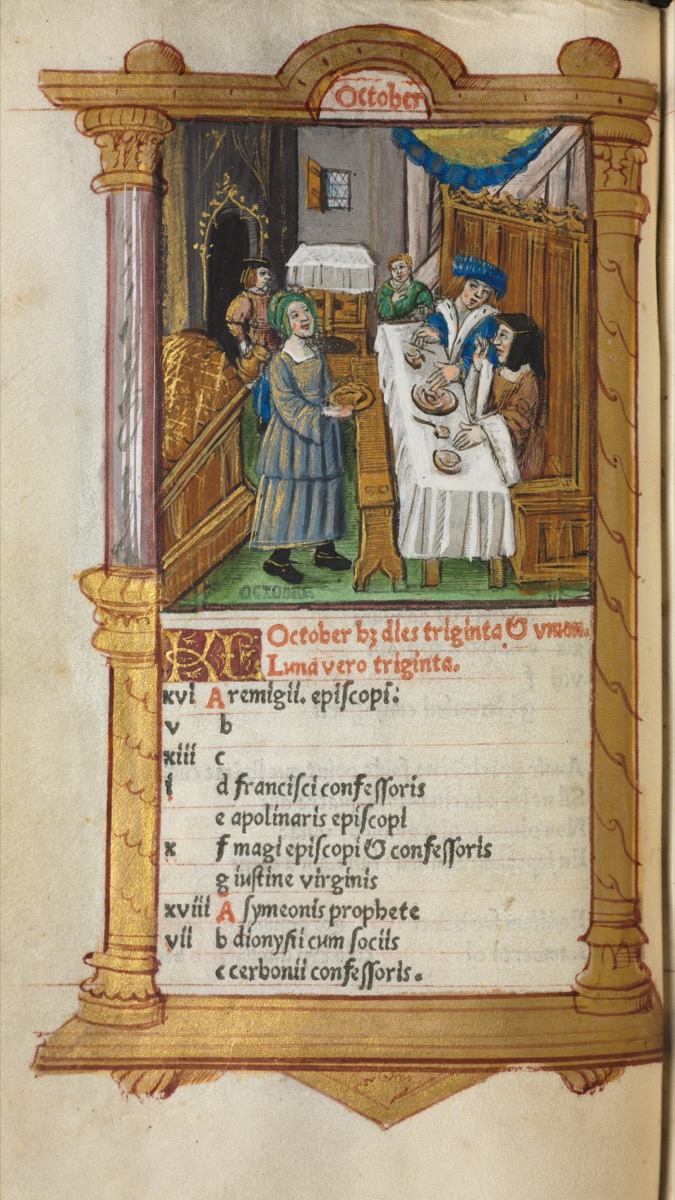
is slightly shorter than three hundred and sixty-five and a quarter days, so the simple rule of a every four years accumulates a drift. By the sixteenth century the drift had already pushed the dates of the seasons out of place. What was done about it?
They deleted ten dates and changed the rule. skipped ten dates at once, which returned the seasons to their place. To stop the drift accumulating again, century years were made ordinary unless they divide by 400. So 1600 was a leap year, and 1700, 1800 and 1900 were not. The source of all of it is that the tropical year is a little shorter than 365 days and a quarter.
The number everything follows from is small: the seasonal year is about eleven minutes shorter than 365 days and a quarter. The old rule, which added a day every four years, corrected a little too much.
Eleven minutes a year are imperceptible in a human life, and after fifteen hundred years they had accumulated into ten whole days. The spring equinox, fixed in its time to 21 March, was actually happening on the tenth.
That was troubling for a practical reason: the date of Easter is set relative to the spring equinox, so the religious calendar was drifting slowly out of season. The solution was double: delete ten days at once to return to synchrony, and correct the rule for the future.
The correction is elegant: a century year is not a leap year unless it divides by four hundred, which removes three days every four hundred years. So 2000 was a leap year and 1900 was not. The transition itself was , with countries switching across centuries, so a historical date from that period is incomplete without saying which system it was written in.
wat. One rule explains why the year 2000 was a leap year, although the century years before it were not.
wat wat
A calendar is a measuring system, not only a tradition. A small change in the rule of calculation decides when seasons, holidays and dates will fall across centuries.
How do we know?
Astronomers compare the length of the seasonal year with the orbital period of the Earth and calculate the accumulated error of the leap year rule. The reform documents record the change introduced in 1582.
What is still unknown
The move to the Gregorian calendar was uneven and did not happen at the same time in every country, so historical dates may appear in two different systems.
Learn something?
Where to next
 Why is every look at the sky a look into the past?time
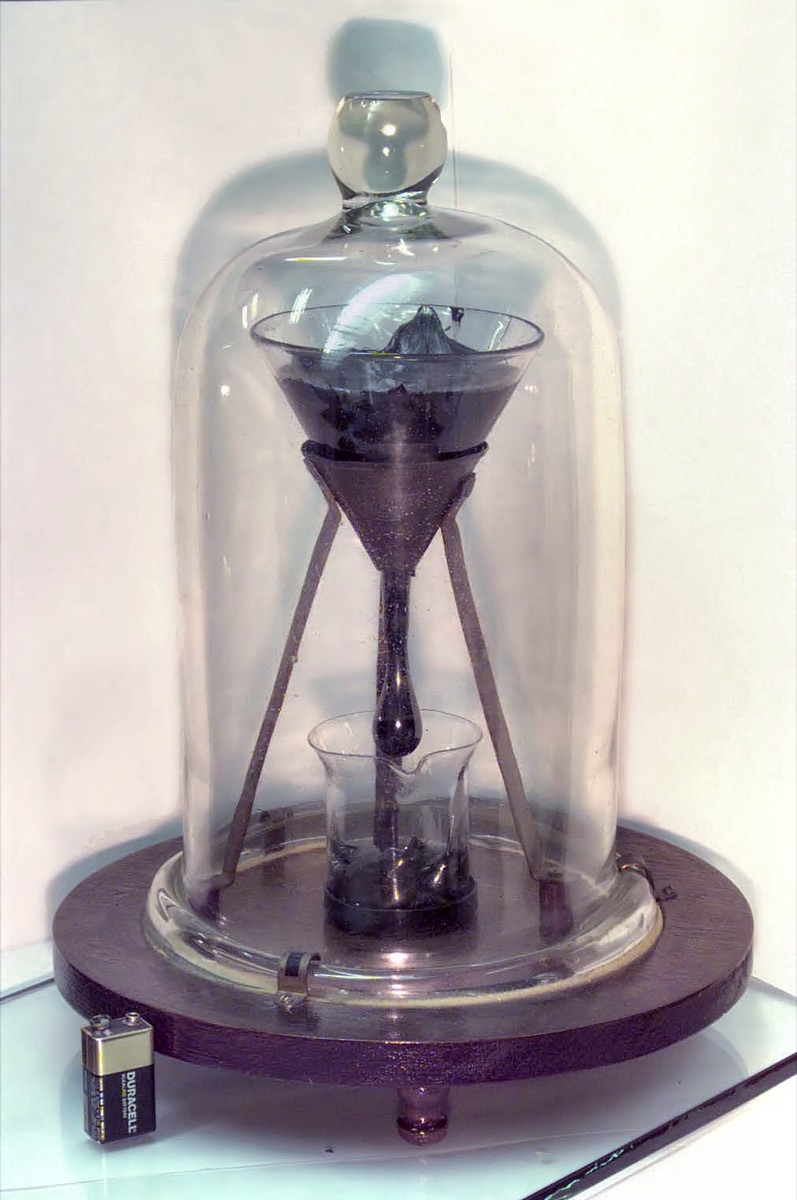 The stuff in the funnel shatters like a solid. So why does a drop fall from it once a decade?time
 What is pulling the Milky Way, and why can we not see it?astronomy