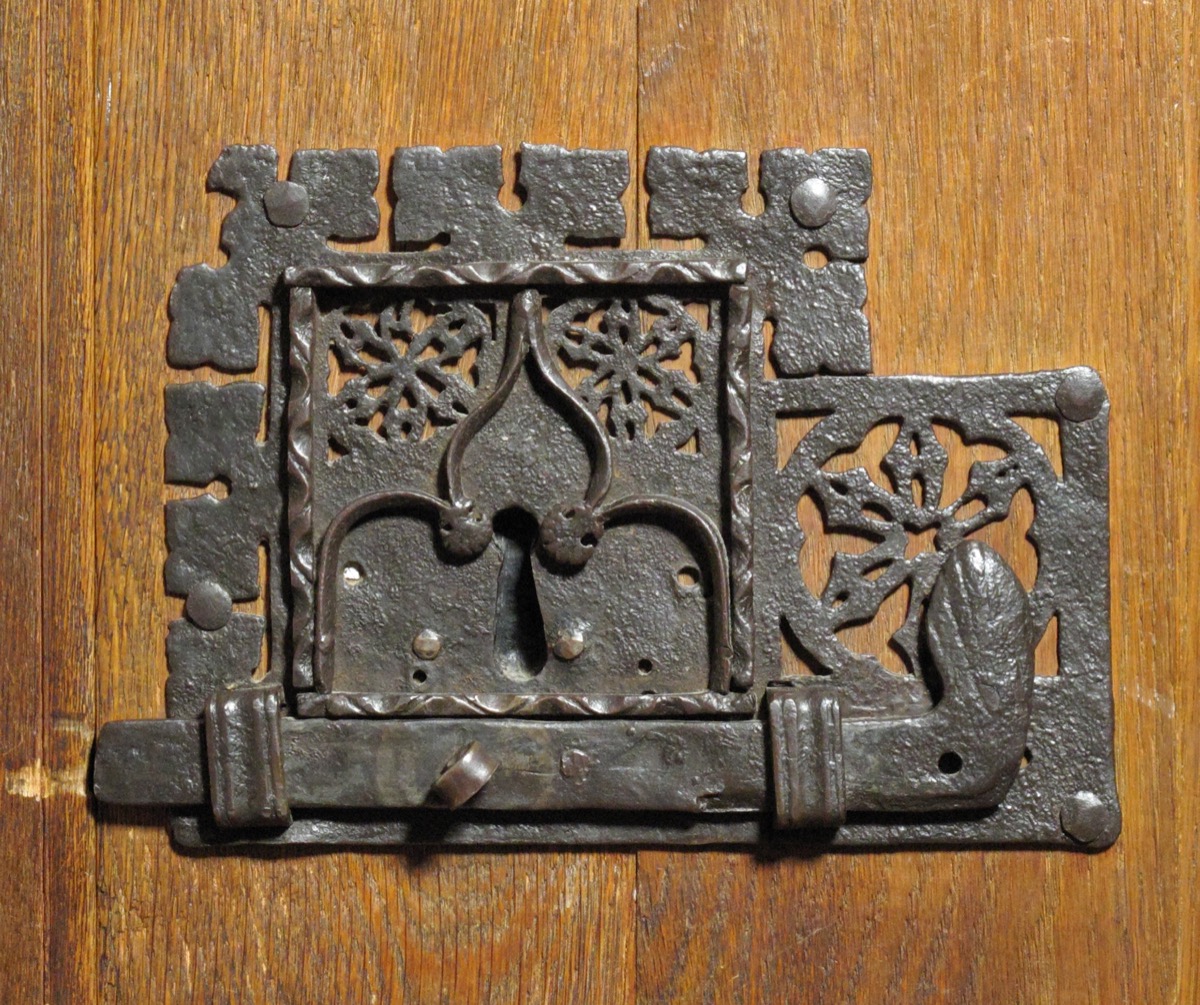
iron locks and keys were decorated to the highest standard of workmanship, with motifs drawn straight from Gothic architecture: patterns reproduced at miniature scale, and sometimes tiny statuettes. All of that is visible on the outside. The interesting part of some of these locks is what cannot be seen. What were they built to do?
Defeat anybody holding only one key. Many of these small locks were , with some of the mechanisms concealed from view, and opening one required two or even three keys used in sequence. The Metropolitan Museum connects the expansion of locks on doors, and storage chests to the increasing urbanization of late medieval life and a new emphasis on material wealth and private ownership.
The decoration of Gothic iron locks and keys was often elaborate and worked to the highest standard. The motifs came from Gothic architecture, reproducing complicated tracery patterns at miniature scale and sometimes even tiny statuettes, so a lock on a chest echoed the building it sat inside.
Behind the ornament, some of these were serious mechanisms. Many of the small locks were compound, with some of their workings concealed from view, and required two or even three keys used in sequence before they would open.
That is a design aimed at a particular threat. A single stolen key is useless against it, and so is inspection, because the hidden parts give nothing away about what still has to be released. Security comes from sequence and concealment rather than from brute strength of iron.
The Metropolitan Museum offers a social explanation for why such things multiplied. The greatly expanded use of locks on doors, on coffrets and on other storage chests is suggested to be a result of the increasing urbanization of life in the late Middle Ages. A new emphasis on material wealth and private ownership came with it.
wat. Three keys, used in the right order, for a mechanism you were never meant to see working.
wat wat
A lock is a statement about who else is around. Their spread tracks the arrival of a world where valuables sat behind a door rather than within sight of their owner.
How do we know?
The Metropolitan Museum of Art’s catalogue entry for a European iron lock of the fifteenth to sixteenth century describes the decoration, the compound mechanisms and the social explanation offered for their spread.
What is still unknown
A catalogue entry for one object in the Cloisters collection. The account of why locks proliferated is given as a suggestion rather than a settled history.
Learn something?
Where to next
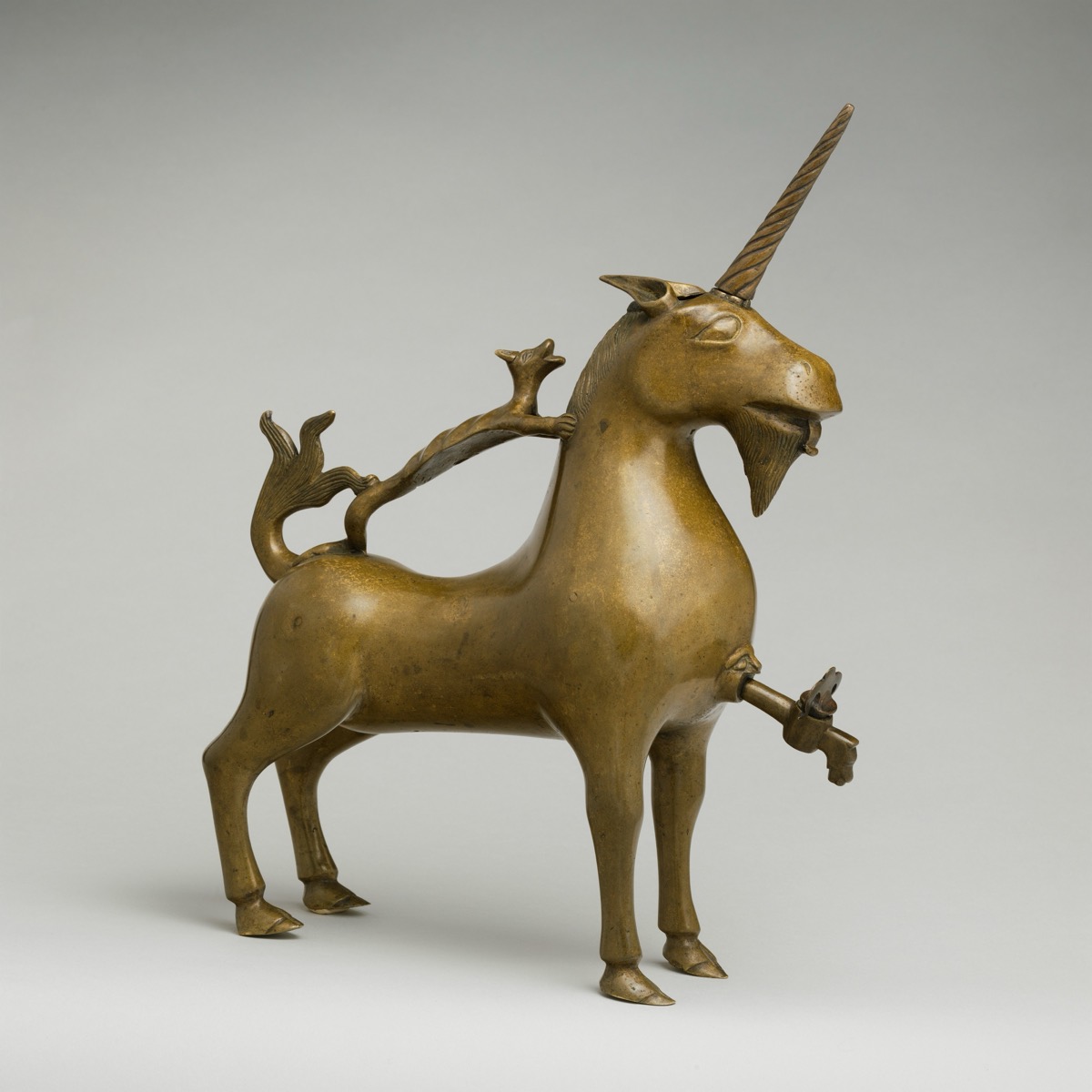 What was a hollow bronze unicorn for?medieval
 Which wall of lava lamps is guarding part of the internet?security
 Does a long password have to be complicated as well to be strong?security