Good encryption needs numbers that are genuinely random, and a computer is a deterministic machine that on its own produces only sequences. So it needs a source of noise from the physical world, something nobody can predict and nobody can reproduce. Where do you get one of those?
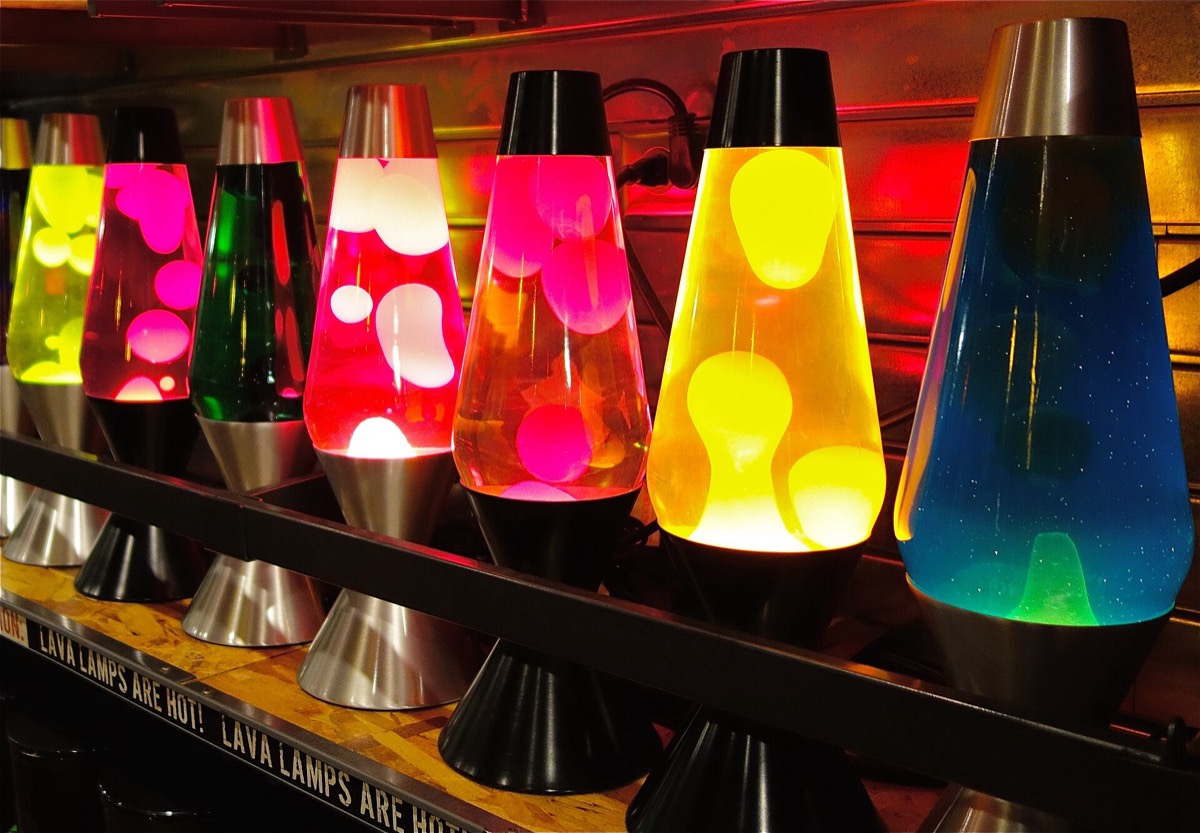
An internet infrastructure company set up a wall of lava lamps in its offices with a camera filming them continuously. The movement of the wax depends on chaotic heat flow that cannot be predicted, in the exact sense of the word, and even people walking through the room change the picture. Every frame also carries , and all of it is converted into digits that seed the system’s randomness.
The problem being addressed is real, even if the solution looks like a gimmick. Encryption rests on keys nobody can guess, and a computer is a deterministic machine: given the same input it will always produce the same output. By itself, in other words, it cannot generate randomness.
What it can generate is a pseudo-random sequence: a formula producing a series that looks entirely random. The danger is that whoever knows the starting point knows the whole sequence. So something from the physical world has to be fed in, which is what means here.
A wall of lava lamps is one such source. The movement of the wax rests on chaotic heat flow, a process whose laws are known and whose future state cannot be predicted in practice. A camera films it continuously, every frame is converted into digits, and even people crossing the room change the picture. The sensor noise itself adds further uncertainty.
And the unflattering thing deserves saying: the lamps are not mathematically necessary and they are not the only source. They are one of several entropy inputs, and the system would work without them. Their value is in the illustration: randomness is not a computer’s natural state but a resource that has to be taken from the world.
wat. Heat flow inside a blob of wax is chaotic enough that nobody can predict it, and that is exactly what encryption needs.
wat wat
It is a concrete demonstration that randomness is an engineering resource that has to be produced, not something a computer simply has.
How do we know?
The company that operates it documents the method publicly, and the wall of lamps itself is on display in its offices.
What is still unknown
The lamps are neither the only source nor mathematically necessary. They are one of several entropy inputs, and mainly a nice demonstration of a correct idea.
Learn something?
Where to next
 Does a long password have to be complicated as well to be strong?security
 Can a message tell you it was intercepted?security
 What did the first computer virus actually do?security