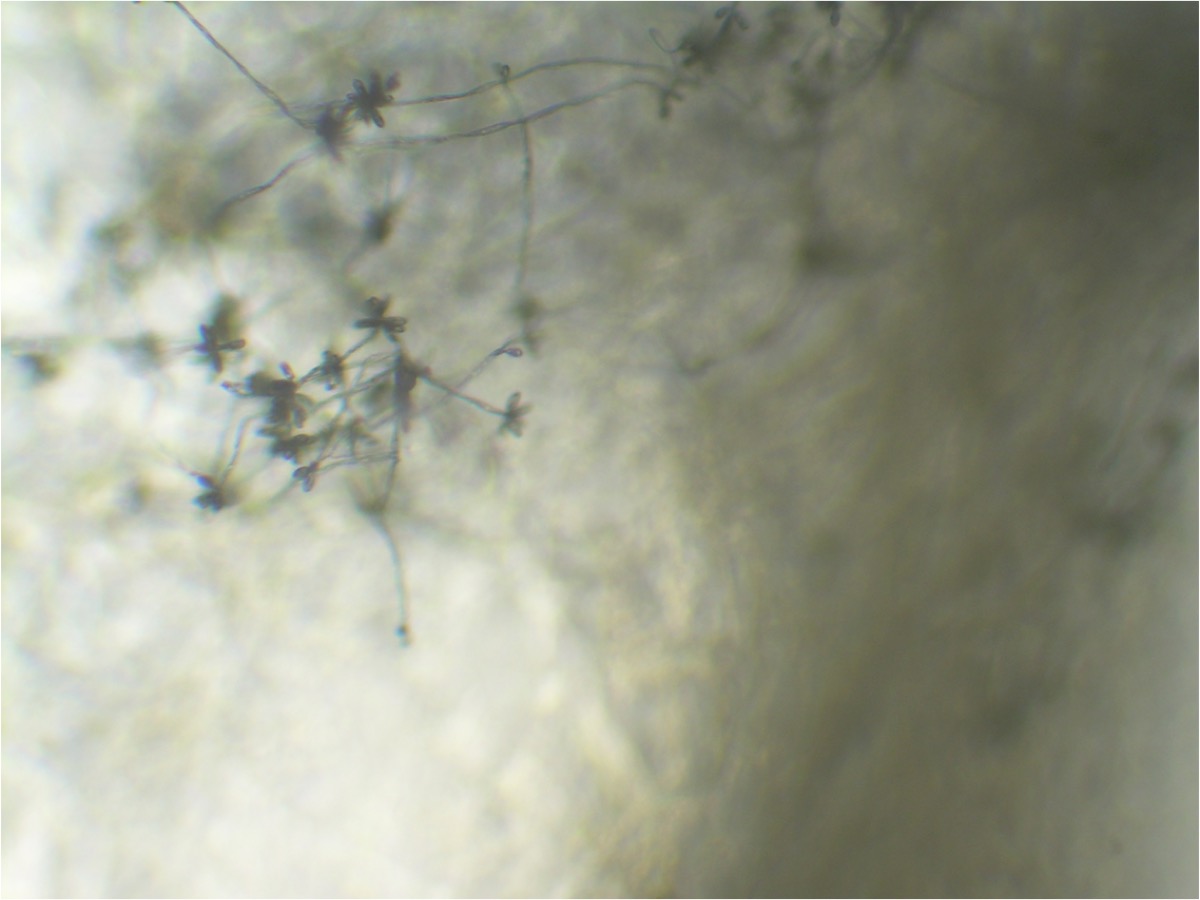
Arthrobotrys oligospora lives quietly on dead matter until it decides to hunt, at which point it grows sticky rings and nets that catch roundworms. Building the trap is the moment it stops being a decomposer and becomes a predator, and something has to trigger it. Yang and colleagues sequenced the genome and then measured which genes switch on when nematode extract arrives. What flips the switch?
The prey itself does, through a signalling cascade. Proteomic and work found ninety genes significantly up-regulated at the early stage of trap formation in response to nematode extracts. Most sit in translation, amino acid and carbohydrate metabolism, and cell wall and membrane building. The genome also came out closer to pathogenic fungi than to harmless ones, carrying extra genes in the , cellulase, cellobiohydrolase and pectinesterase families.
are carnivorous in a literal sense, attacking roundworms with specialized devices they grow for the purpose. The appearance of those traps is the visible marker of a switch from a life on dead matter to a predacious one.
Yang and colleagues sequenced the genome of Arthrobotrys oligospora, about forty megabases with some eleven thousand predicted genes. Comparison placed it closer to pathogenic fungi than to non-pathogenic ones, with expanded subtilisin, cellulase, cellobiohydrolase and pectinesterase families, and nearly four hundred genes matching known pathogenicity genes in other fungi.
Then they asked what happens when prey turns up. Proteomics and quantitative PCR identified ninety genes significantly up-regulated at the early stage of trap formation after exposure to nematode extracts, concentrated in translation, amino acid metabolism, carbohydrate metabolism, and cell wall and membrane biogenesis. That is the profile of a cell about to build something.
From the combined data the authors propose a model. Chemical cues from the nematode activate multiple fungal signal transduction pathways, which in turn drive genes for energy metabolism, cell wall and adhesive protein synthesis, cell division, glycerol accumulation and peroxisome biogenesis. The prey, in effect, issues the build order.
wat. The worm announces itself chemically, and the fungus answers by growing the rings that will hold it.
wat wat
A fungus that reads its prey chemically and then builds a structure to catch it is a clean case of a lifestyle switch written into gene regulation rather than into the genome.
How do we know?
Yang and colleagues sequenced the Arthrobotrys oligospora genome, compared it against other fungi, and used proteomics with quantitative PCR to find which genes rise early in trap formation after exposure to nematode extracts.
What is still unknown
Nematode extract is not a living worm, and the proposed model of the cascade is assembled from genomic, proteomic and expression data rather than tested by knocking the pathway out.
Learn something?
Where to next
 Do trees really help each other underground?fungi
 What is a glowing mushroom glowing for?fungi
 Can one plant run two different cons at the same time?fungi