is present in all fleshy fruit and the concentration climbs as the fruit ripens, so an animal living on fruit is dosing itself whether it means to or not. already discount food once it passes one percent ethanol, which suggests they treat it as a cost. Sanchez and colleagues flew bats down an indoor corridor after feeding them ethanol-rich or ethanol-free food. Does it actually impair them?
Slower flight and altered calls. Bats that had eaten ethanol-rich food flew significantly slower down the corridor than the same animals fed ethanol-free food. Ingesting ethanol also significantly affected several variables of their and calling behavior. So the cost is not only that the food is worth less: it degrades the two abilities a flying animal that navigates by sound depends on most.
Ethanol is a potential toxin for vertebrates and it is present in all fleshy fruits, with the content rising as the fruit ripens. An animal that lives on fruit therefore encounters it constantly, at a dose it does not control.
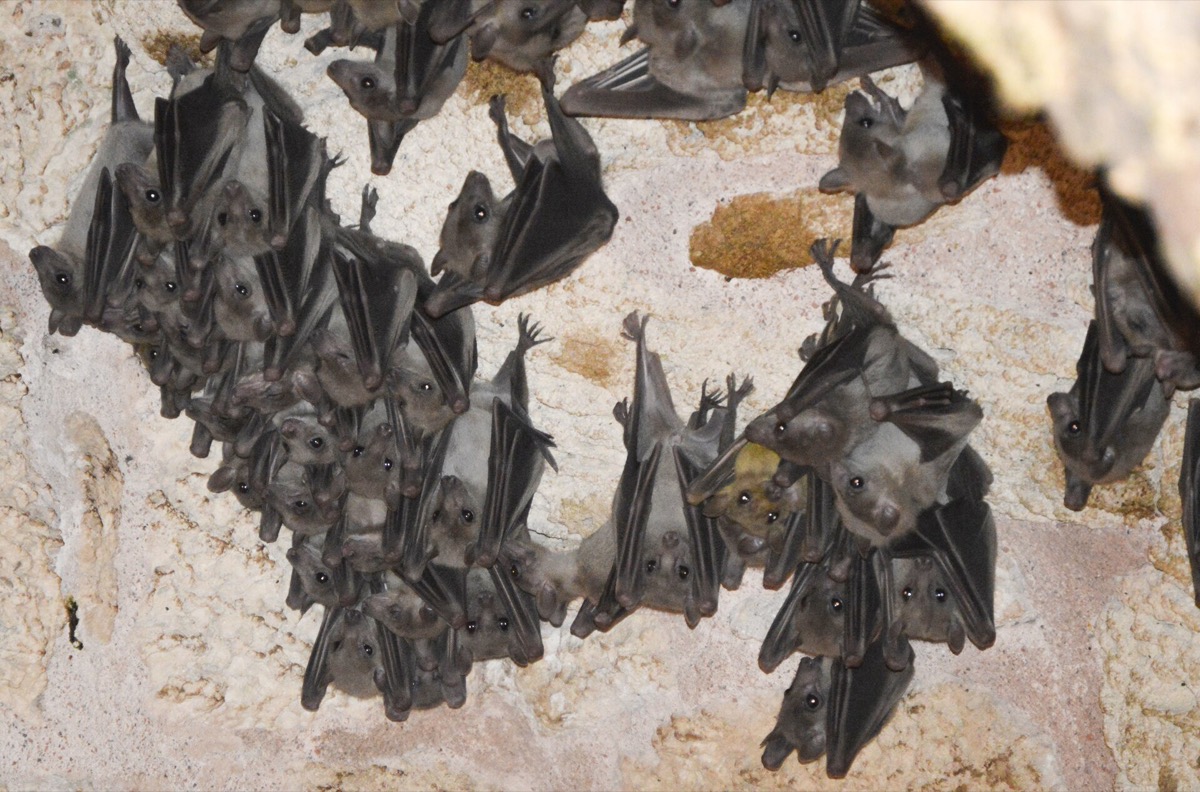
Earlier work by the same group found that the of food for Egyptian fruit bats drops once its ethanol content exceeds one percent. The bats, in other words, already behave as though the alcohol is a problem, which raises the question of what exactly they are avoiding.
Sanchez and colleagues tested the obvious hypothesis: that food above that threshold is toxic enough to cause inebriation, and that inebriation would show up in flight and echolocation. They flew bats along an indoor corridor after feeding them ethanol-rich or ethanol-free food.
Both abilities suffered. After ingesting ethanol-rich food the bats flew significantly slower, and several variables of their echolocation calls and calling behavior were significantly affected. The conclusion is that ethanol can be toxic to fruit bats, reducing the value of the food and, separately, degrading their ability to fly competently and to call.
wat. Too ripe and the bat flies slower and calls differently, which is a bad combination in the dark.
wat wat
It explains a preference that looked fussy. A bat avoiding the ripest fruit is avoiding a measurable impairment of flight and echolocation, not expressing a taste.
How do we know?
Sanchez and colleagues fed Egyptian fruit bats ethanol-rich or ethanol-free food, flew them along an indoor corridor, and measured flight speed alongside variables of their echolocation calls.
What is still unknown
An indoor corridor is not a night of foraging, and the bats were given ethanol-rich food rather than choosing fruit in the wild, where they can reject it.
Learn something?
Where to next
 Do any other animals babble the way human babies do?bats
 How does a bat in the dark know it has found a pond?bats
 Does a bat carry a map of its valley, or just a set of routes?bats