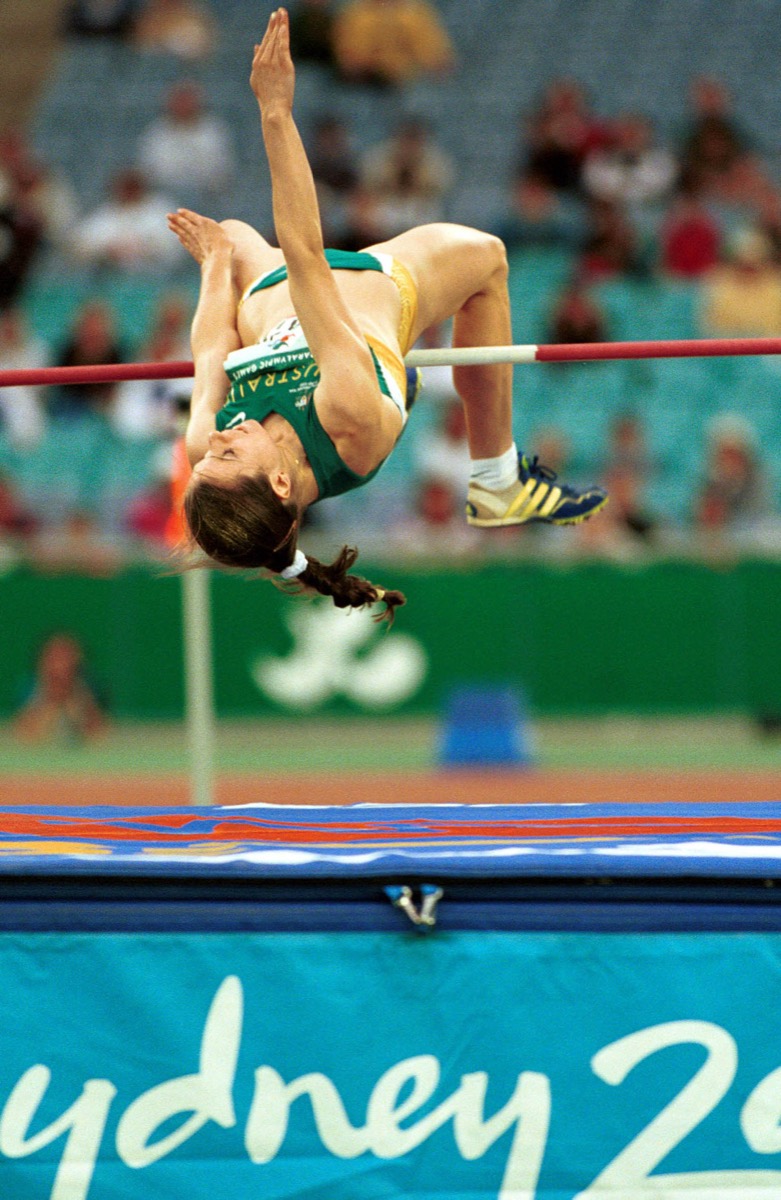
Before 1968 almost every high jumper crossed the bar face down or sideways, in the , and it looked like the sensible way to do it. Dick Fosbury turned his back to the bar instead and went over head first, arching as he passed. He was an average jumper. What did the turn give him?
A better path for his own over the same bar. Fosbury had cleared only 2.10 meters in 1967 and finished third at the 1968 US Trials, then won in Mexico City at 2.24 meters, an , on his third attempt at that height. Within a generation almost everyone jumped his way.
Dick Fosbury was an average high jumper using the standard straddle when he began experimenting with turning his back to the bar and clearing it head first, arching his back as he went over. The style took his name, though the Canadian jumper was experimenting with a backwards style in late 1966 as well.
He was not the favorite in Mexico City. He had been a 2.10 meters jumper in 1967, and although he won the 1968 NCAA championships he finished third at the US Trials, behind Ed Caruthers and Reynaldo Brown. The Olympic record at the time stood at 2.18 meters.
The final ran on the 19th and the 20th of October 1968, with 39 jumpers from 25 countries. At 2.20 meters only Fosbury, Caruthers and the Soviet jumper Valentin Gavrilov were still clear, all of them on first attempts. Fosbury took 2.22 meters on his first jump while Caruthers missed one, and then cleared 2.24 meters on his third attempt for the gold medal and the record.
The mechanical argument is about the center of mass, which travels a more efficient path relative to the body in an arched backwards crossing than in a straddle. Nothing about it removes the need for speed, strength and timing, which is why the flop spread as a technique rather than as a shortcut.
wat. Fosbury did not jump higher by ignoring technique; he jumped higher by using a different one.
wat wat
A technique that looks wrong can beat one that looks obvious, when it fits the mechanics of the movement better than the obvious one does.
How do we know?
Olympedia records the competition at Mexico City on 19 and 20 October 1968, with 39 jumpers from 25 countries, the heights each one cleared and the attempts each height took.
What is still unknown
The flop does not remove the need for speed, strength and timing, and Fosbury was not the only person to arrive at it.
Learn something?
Where to next
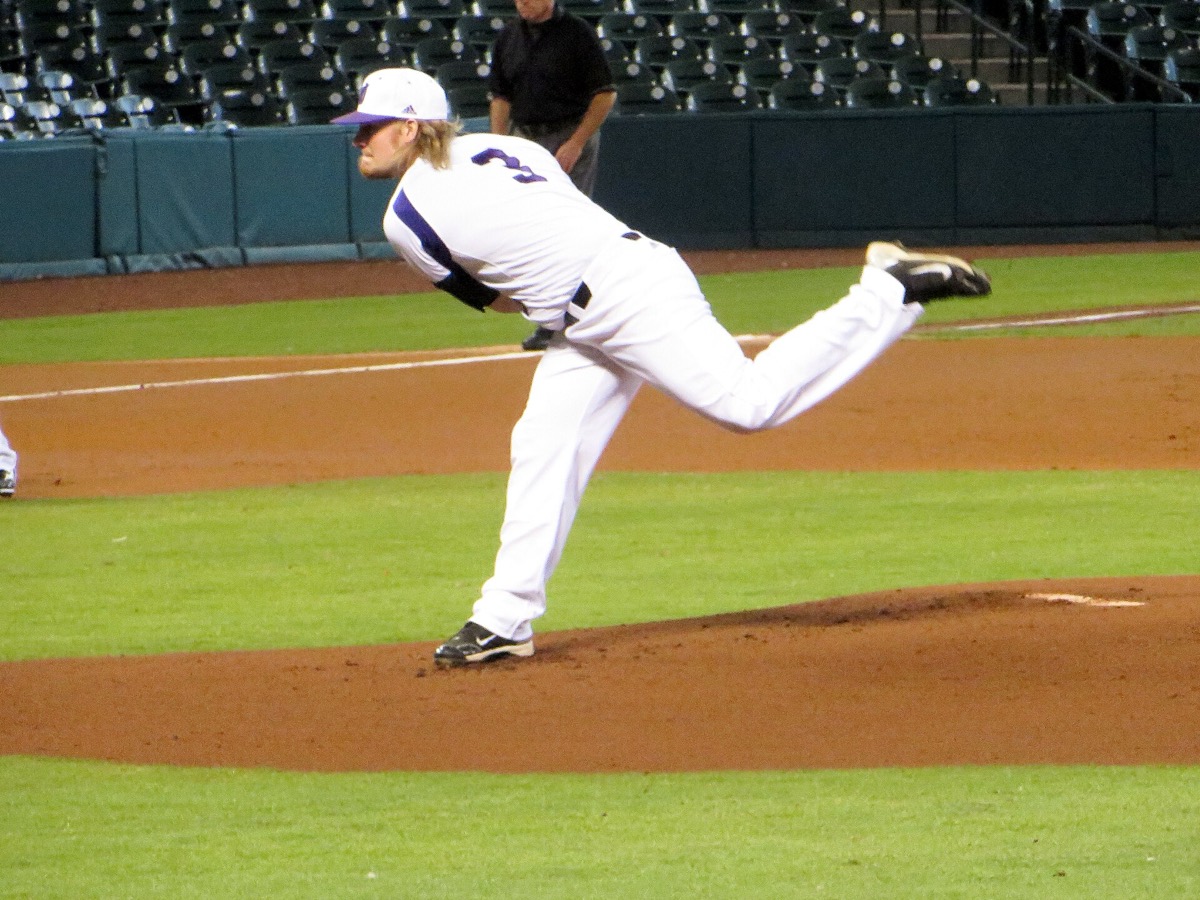 What decides how much a pitch breaks?biomechanics
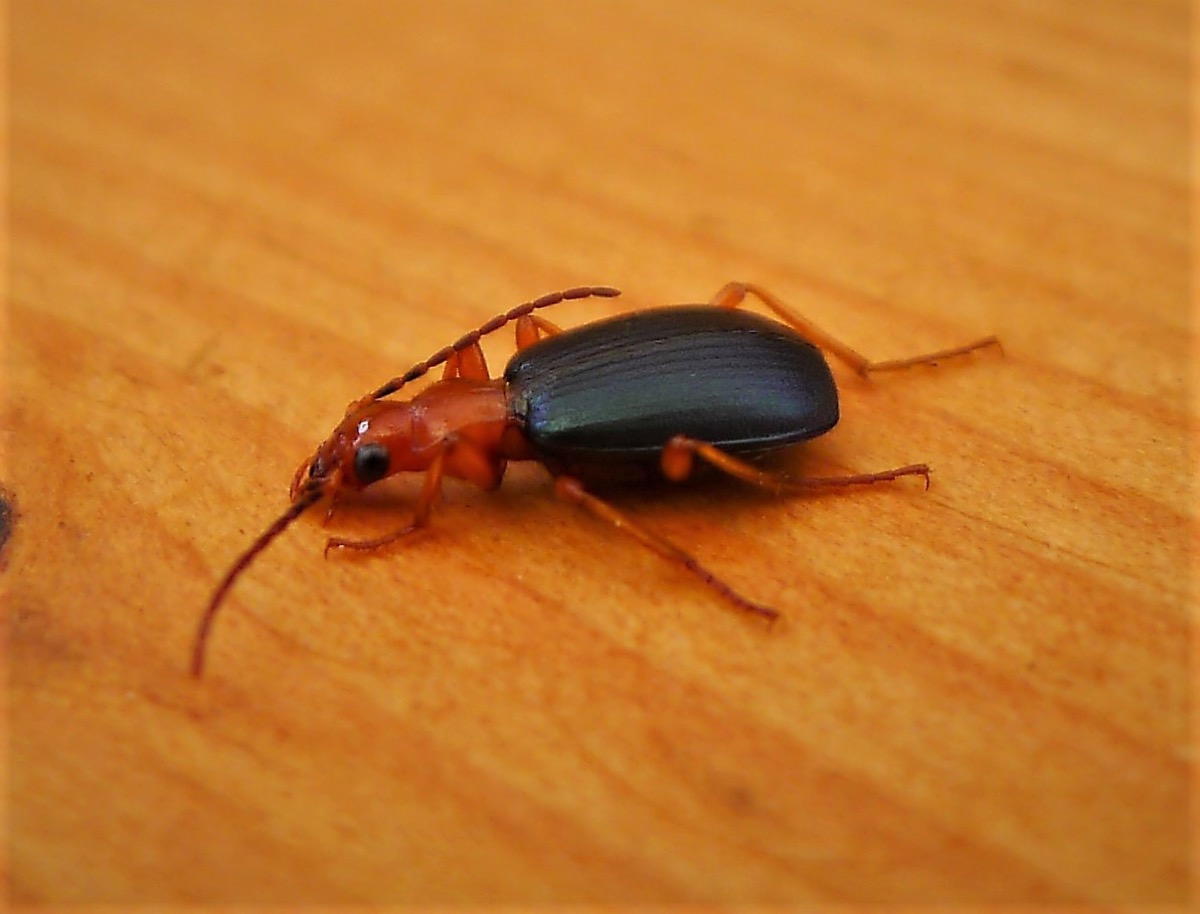 How does a small beetle fire liquid at boiling point?biomechanics
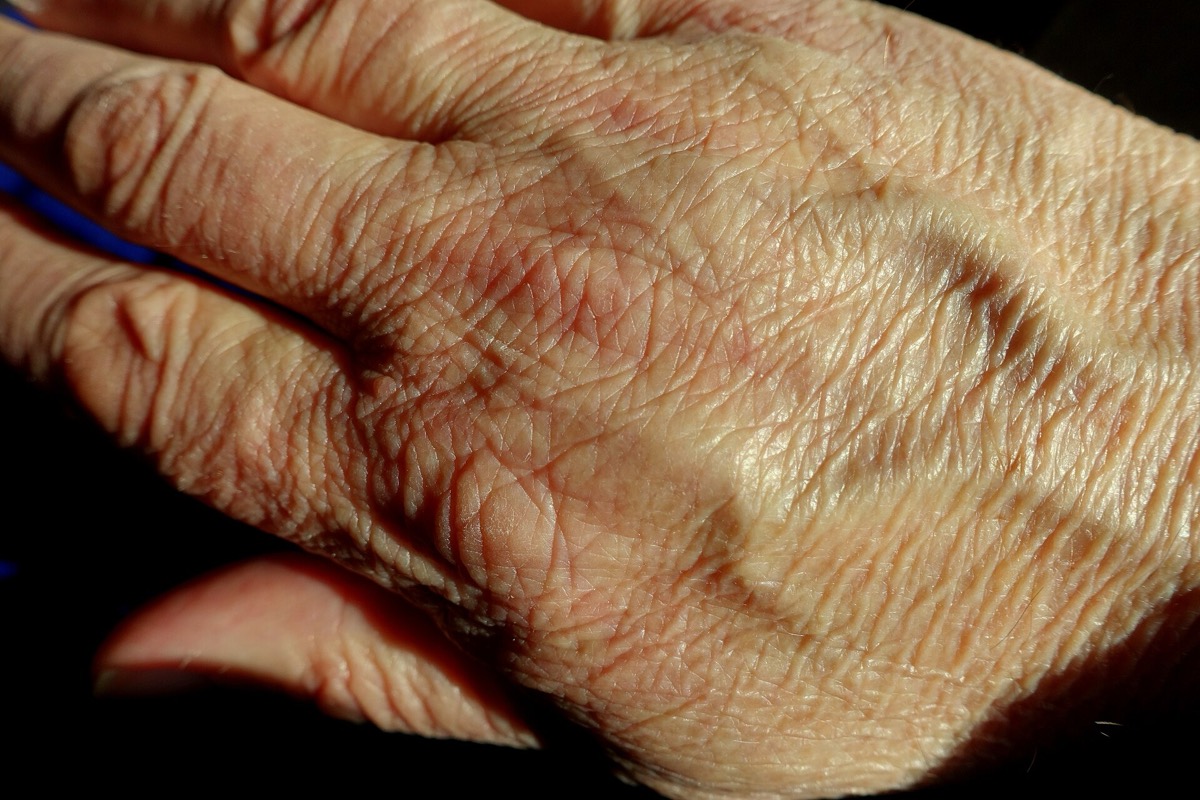 What are wrinkled fingertips for?biomechanics