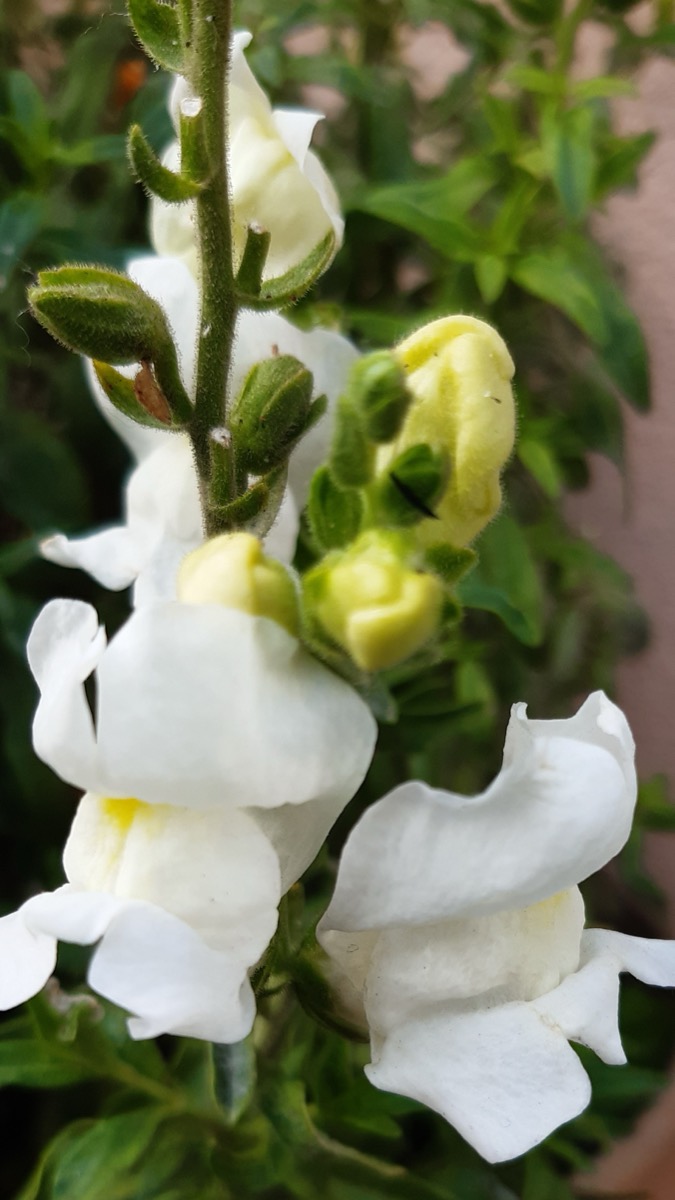
Scent is expensive, and a flower that has already been pollinated gains nothing by keeping it up. The obvious moment to stop is the instant pollen lands on the , which is when the flower first has contact with a pollinator. Negre and colleagues followed , a major scent compound, through pollination in snapdragon and petunia. Is the trigger the arrival of the pollen?
Not the arrival. The drop in methylbenzoate emission, seventy to seventy-five percent in both species, begins only once the reach the ovary, which takes about thirty-five to forty hours in snapdragon and around thirty-two in petunia. Deposition on the stigma does not trigger it. The two species then reach the same end by different routes: in petunia ethylene suppresses the gene, while in snapdragon enzyme activity and the both fall.
Floral scent is a running cost. Producing volatiles takes carbon and energy, and once a flower has been successfully pollinated the advertisement is money spent on customers it no longer needs. Scent emission duly drops after pollination, and the question is what tells the flower.
The intuitive answer is pollen on the stigma. That is the moment of contact, it is easy to detect, and it arrives immediately. Negre and colleagues tested it by tracking methylbenzoate, a major volatile ester, in snapdragon and petunia flowers.
The timing says otherwise. The seventy to seventy-five percent decrease in emission begins only after the pollen tubes reach the ovary, a journey taking thirty-five to forty hours in snapdragon and about thirty-two in petunia. Deposition on the stigma alone does not set it off, so the flower is waiting for fertilization to be genuinely under way.
How each species does the shutting down differs, which is the detail that makes the common timing more striking. Both synthesize methylbenzoate from benzoic acid and S-adenosyl-methionine. In petunia, ethylene suppresses expression of the gene responsible. In snapdragon the emission falls because enzyme activity drops and so does the methylation index, although that gene is sensitive to ethylene too.
wat. The sign comes down only once the pollen tube reaches the ovary, a day and a half after the visitor has gone.
wat wat
The flower waits for confirmation that fertilization is actually under way before withdrawing the advertisement, which is a more careful piece of accounting than simply reacting to a visitor.
How do we know?
Negre and colleagues measured methylbenzoate emission, gene expression, enzyme activity and the methylation index in snapdragon and petunia flowers at intervals after pollination.
What is still unknown
Two cultivated species and one scent compound out of many. How general the timing rule is, and whether wild relatives behave the same way, is not addressed here.
Learn something?
Where to next
 What else is a hoverfly reading when it picks a flower?flowers
 How does a plant send its bodyguards to the part under attack?scent
 Can one plant run two different cons at the same time?pollination