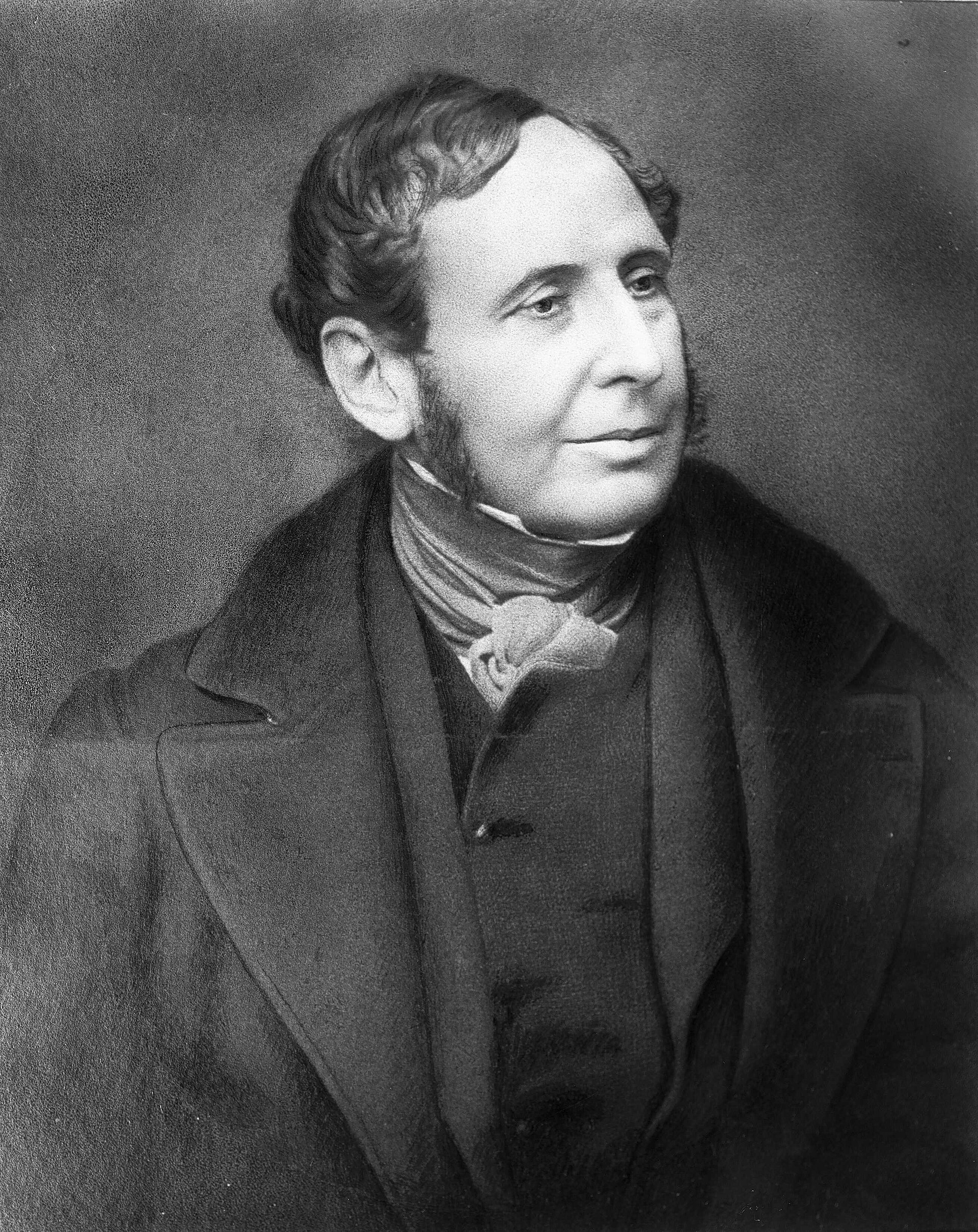
Robert FitzRoy led the Meteorological Office from its founding in eighteen fifty-four, collecting daily readings telegraphed in at nine in the morning from stations around the British and Irish coasts. After the Royal Charter Gale of eighteen fifty-nine he built a national , which the government had approved. For forecasting on land he had no permission at all. What did he do about that?
He published anyway. On the first of August, eighteen sixty-one, the first appeared in the Times. It covered twenty-four to forty-eight hours ahead and was very general: the country split into north, south and west, with the east left out and added a couple of days later. The wording was as plain as fine, though the expected wind direction carried more precision.
The Meteorological Office was founded in eighteen fifty-four under Captain Robert FitzRoy, later Vice-Admiral, whose naval background gave him a direct understanding of what weather does to people at sea. The office existed to understand weather in the oceans, particularly the Atlantic, so as to protect life and property there.
Its raw material was daily observation. Readings taken at nine in the morning at stations around the British and Irish coasts were sent to London by telegraph, the cutting-edge technology of the day, and collated into the . The earliest known report dates from the third of September, eighteen sixty.
FitzRoy had approval for his Storm Warning Service and none for forecasting on land. He published the first Public Weather Forecast in the Times on the first of August, eighteen sixty-one, noting on the report sheet that he would continue if the idea were approved of. He kept producing daily forecasts, refining the areas and adding detail as more data arrived. The errors were inevitable, and so was the criticism.
Much of the scientific establishment did not believe forecasting possible, and the attacks told on his health; his absences can be traced in the thinning of his handwriting through the reports. His final entry was written on the twentieth of March, eighteen sixty-five, a few weeks before he took his own life. The then recommended that forecasting stop. The last public forecast appeared on the twenty-eighth of May, eighteen sixty-six, and public forecasts did not resume until April of eighteen seventy-nine.
wat. He had permission to warn ships and none to tell the public, so he told the public and asked afterward.
wat wat
Forecasting is now so ordinary that it is hard to see it was ever a claim about what can be known. FitzRoy was asserting that the future state of the air could be inferred from the present one.
How do we know?
The Met Office library and archive holds the Daily Weather Reports, including the sheet for the thirty-first of July, eighteen sixty-one, on which FitzRoy wrote the first public forecast in his own hand.
What is still unknown
An institutional archive history. It records what FitzRoy did and what was done to his work, rather than assessing how accurate those first forecasts actually were.
Learn something?
Where to next
 Does cloud seeding actually work?weather
 Why is a weather forecast so sensitive to a tiny change?weather
 Why does rain sometimes stop halfway to the ground?weather