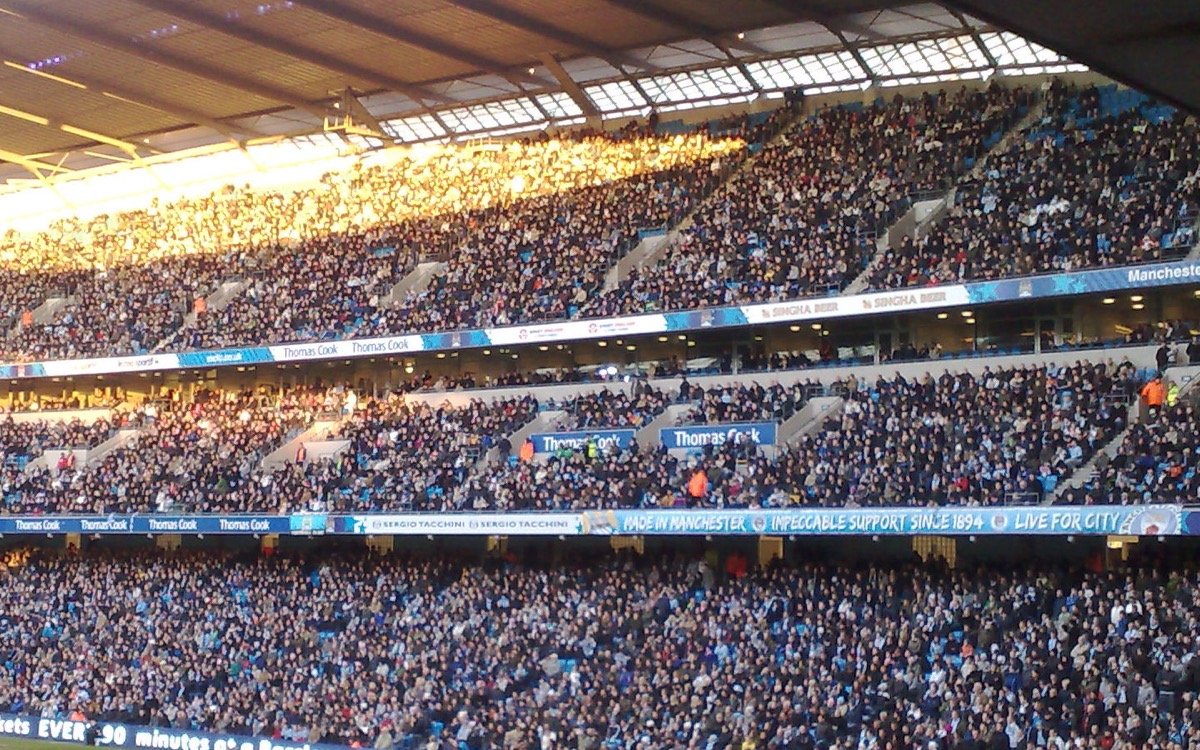
Home advantage has an uncomfortable candidate explanation: the officials. Testing it requires removing the crowd while leaving everything else, which no league would ever agree to. The pandemic did it anyway, forcing the National Hockey League to play its 2020 playoffs in empty arenas. So penalty counts from those games were compared against the previous five years of playoffs. What did the referees do?
The home bias in vanished without spectators. Across 547 playoff games a team’s status interacted with the presence of a crowd. With spectators, referees awarded significantly more penalties to the away team than the home team. With empty arenas, the counts for away and home teams were not significantly different. The pattern repeated in regular-season data.
The pandemic had a major impact on professional sport, notably forcing the National Hockey League to hold its 2020 playoffs in empty arenas. For anybody studying how crowds influence the penalties referees award, that was an unprecedented opportunity in an , since no league would otherwise agree to remove its spectators as an experiment.
Using data from playoff games played during the pandemic and from the previous five years, 547 games in total, the authors estimated the number of penalties called depending on whether spectators were present. The design compares like with like: playoff hockey, same league, officials drawn from the same pool.
The results show an between a team’s status, home or away, and the presence or absence of crowds. Post-hoc analyses reveal that referees awarded significantly more penalties to the away team than to the home team when a crowd was present. With no spectators, the numbers awarded to away and home teams were not significantly different.
To generalize, the authors looked at referee behavior through the 2020 to 2021 regular season. They used 1,639 National Hockey League games and expanded the sample with 1,709 games. The home advantage conferred by officials showed the same pattern. One caution holds throughout: pandemic conditions altered travel, scheduling and routine alongside the crowd, so the differential tracks the presence of spectators rather than isolating crowd noise.
wat. With fans in the building, hockey referees penalized the away team more; with the building empty, the gap disappeared.
wat wat
It locates part of home advantage in the officiating rather than in the players. A referee who calls the game differently when a crowd is watching is a mechanism, not a conspiracy.
How do we know?
Guérette, Blais and Fiset compared penalties called in 547 playoff games with and without spectators, then extended the analysis to 1,639 regular-season National Hockey League games and 1,709 Canadian Hockey League games.
What is still unknown
Empty arenas during a pandemic differed in more than the crowd, including bubble conditions, schedules and travel. This shows the penalty differential tracking the presence of spectators and cannot isolate noise from everything else that changed.
Learn something?
Where to next
 Which part of home advantage did the empty stadiums take away?home advantage
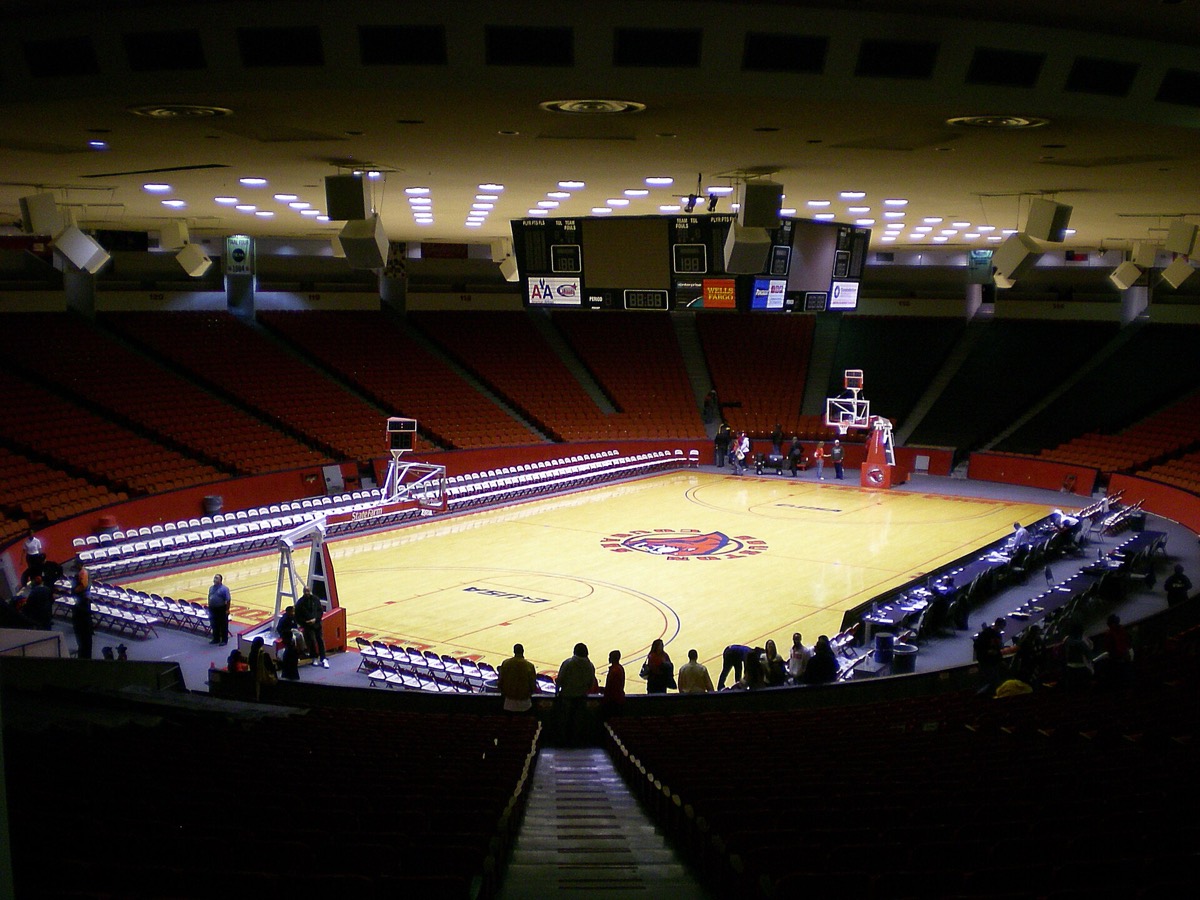 How much of home advantage is the crowd?crowds
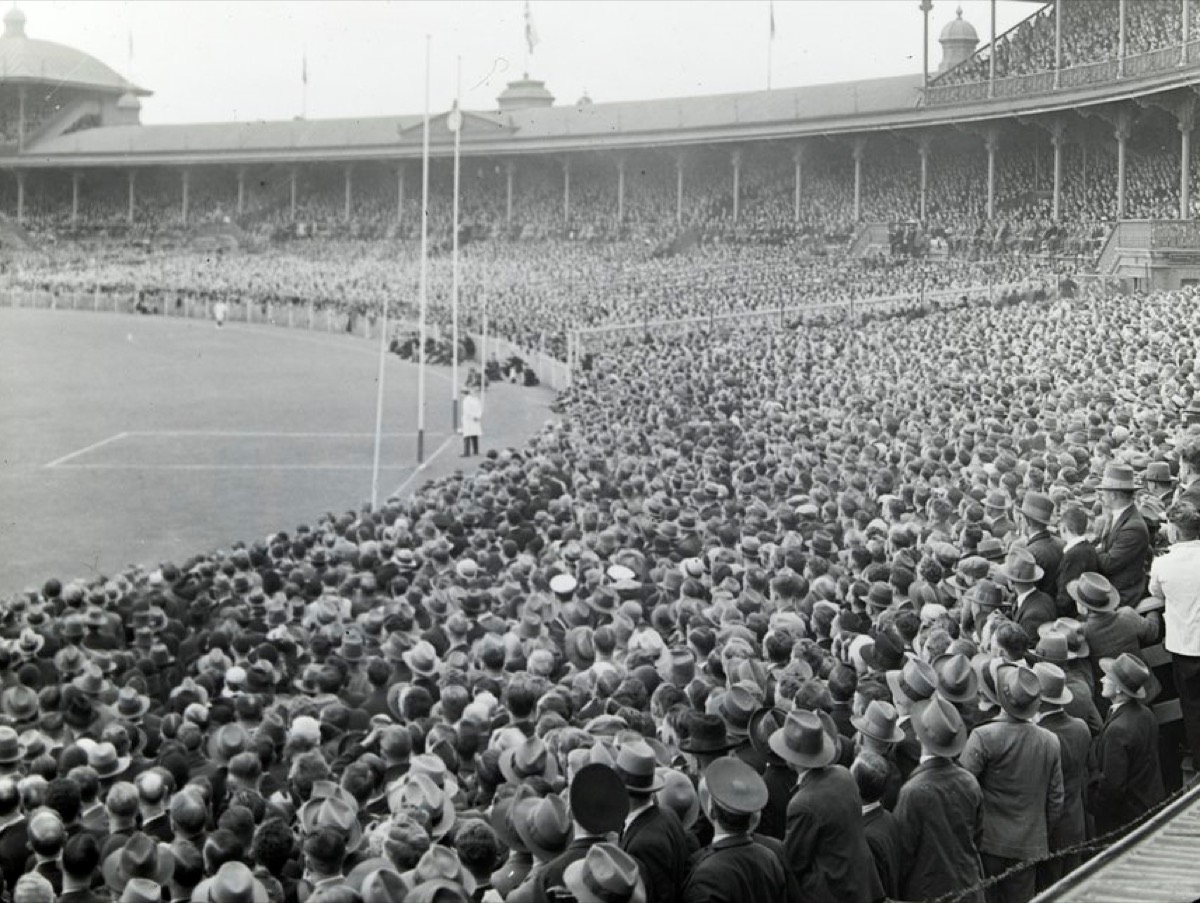 Is the crowd really the twelfth player?home advantage