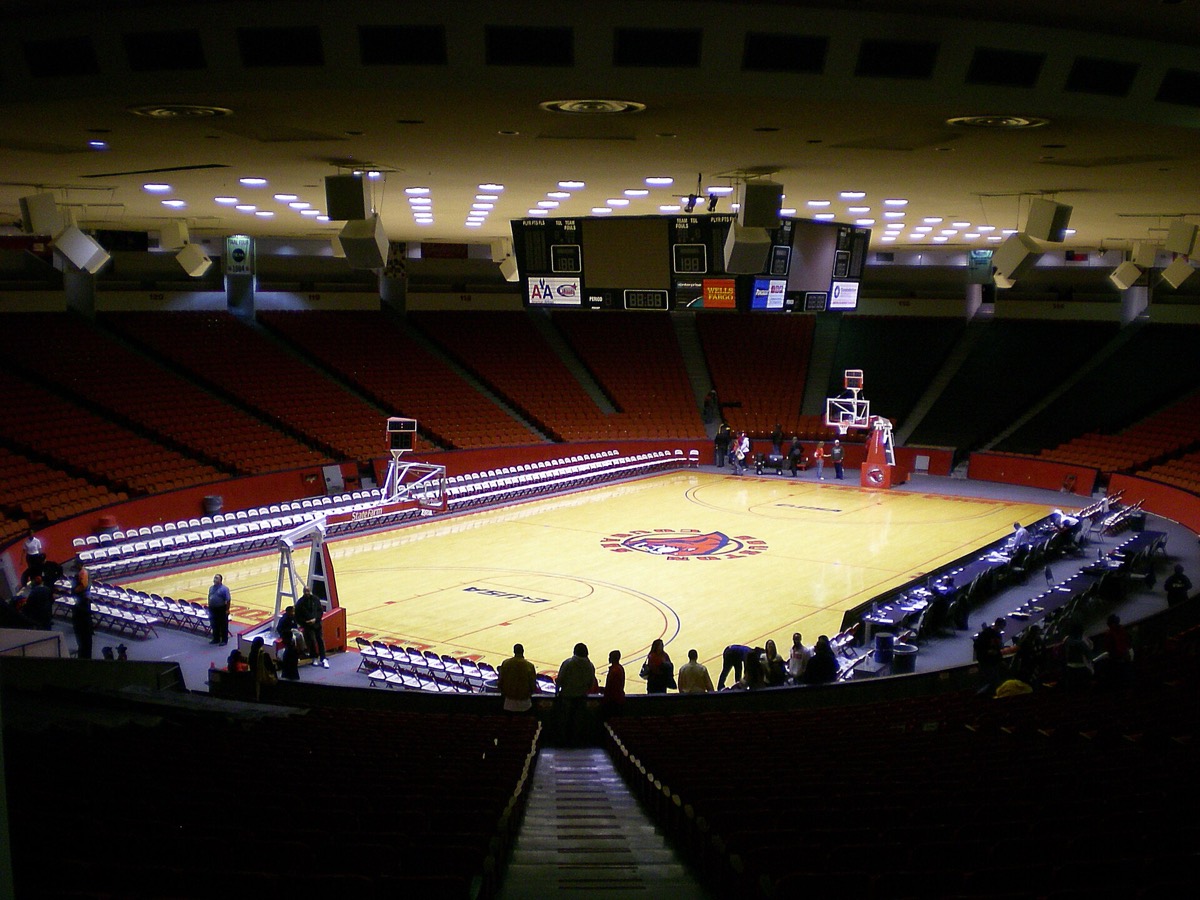
is real and its causes are disputed: familiarity, travel, referees, the crowd. The pandemic removed one of those variables from every fixture at once, in games played without spectators that acquired the name . Most of the research that followed looked at soccer. Indoor arenas should show a larger crowd effect, so ten European basketball leagues were analyzed instead.
Around a fifth of it, and it did not come back. Across all seasons since 2004 for the ten most popular basketball leagues in Europe, the results show an overall significant reduction of home advantage of around 5 percent in games without spectators. There was no evidence that the effect diminished over time as teams grew accustomed to empty arenas. The authors also tested whether bookmakers adjusted.
Several studies have suggested that home advantage, the benefit competitors accrue from performing in familiar surroundings, was at least temporarily reduced in games played without spectators during the pandemic. Those fixtures have been dubbed ghost games, and they amount to an experiment nobody could have commissioned.
The gap in that literature is where it looked. The majority of research to date focuses on soccer, and no contributions had been provided for , where the support of the fans might have a stronger impact than in outdoor arenas. A crowd in a basketball hall is closer and louder than one in a stadium.
This paper tested three things in basketball. Whether home advantage was reduced, whether any such reduction faded as teams became accustomed to the conditions, and whether bookmakers adapted promptly or left on the betting market.
The dataset covers all seasons since 2004 for the ten most popular and followed basketball leagues in Europe. The results show an overall significant reduction in home advantage of around 5 percent, with no evidence that the effect diminished as teams got used to empty arenas. One caution belongs with that number. Ghost games removed the crowd and also altered travel, schedules, squad availability and routine, so the reduction belongs to playing without spectators rather than to the absence of noise alone.
wat. Playing European basketball in an empty arena cost the home side about 5 percent of its advantage, and familiarity never won it back.
wat wat
It is a natural experiment nobody could have run deliberately. Removing spectators from every game lets the crowd component of home advantage be measured rather than argued about.
How do we know?
De Angelis and Reade analyzed a large dataset covering all seasons since 2004 for the ten most popular basketball leagues in Europe. They tested for a reduction in home advantage, whether it faded over time, and whether betting markets mispriced the change.
What is still unknown
Ghost games changed more than the crowd. Pandemic conditions altered travel, squad availability, schedules and routine at the same time, so the 5 percent is attributable to playing without fans rather than to the fans alone.
Learn something?
Where to next
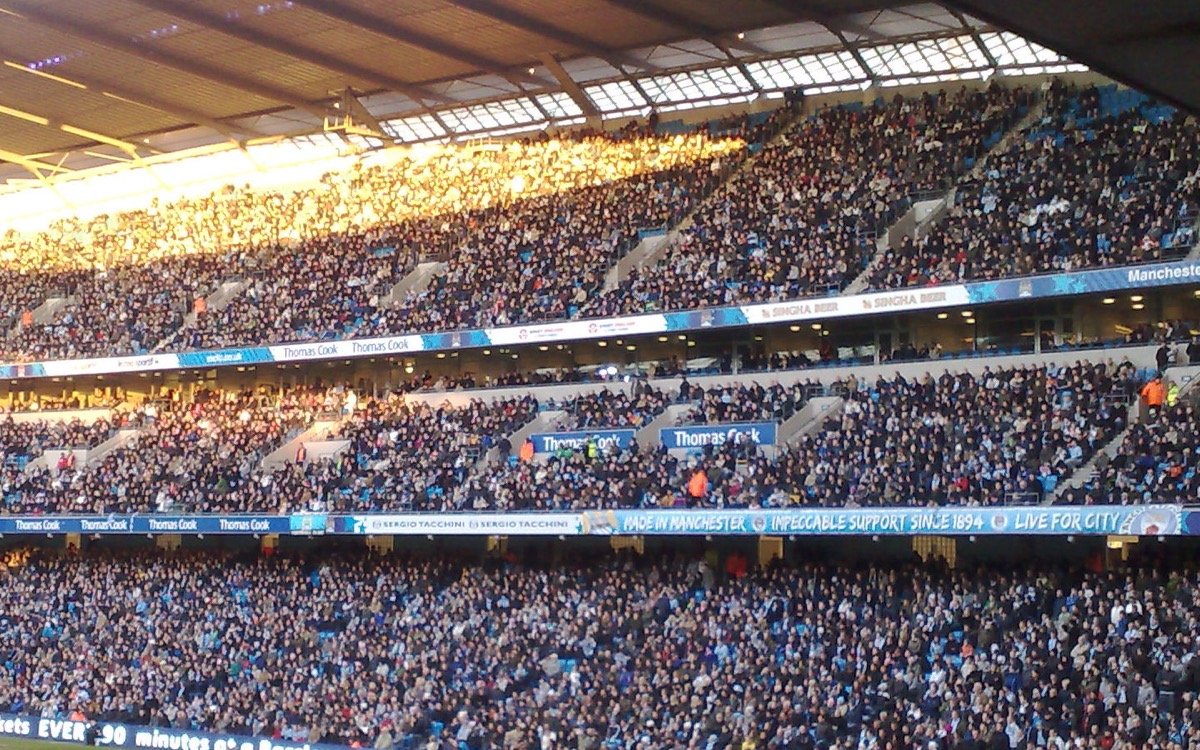 Do referees call fewer penalties against the home team because of the crowd?crowds
 Which part of home advantage did the empty stadiums take away?home advantage
 A player has scored three in a row. Is it really worth passing to him again?basketball