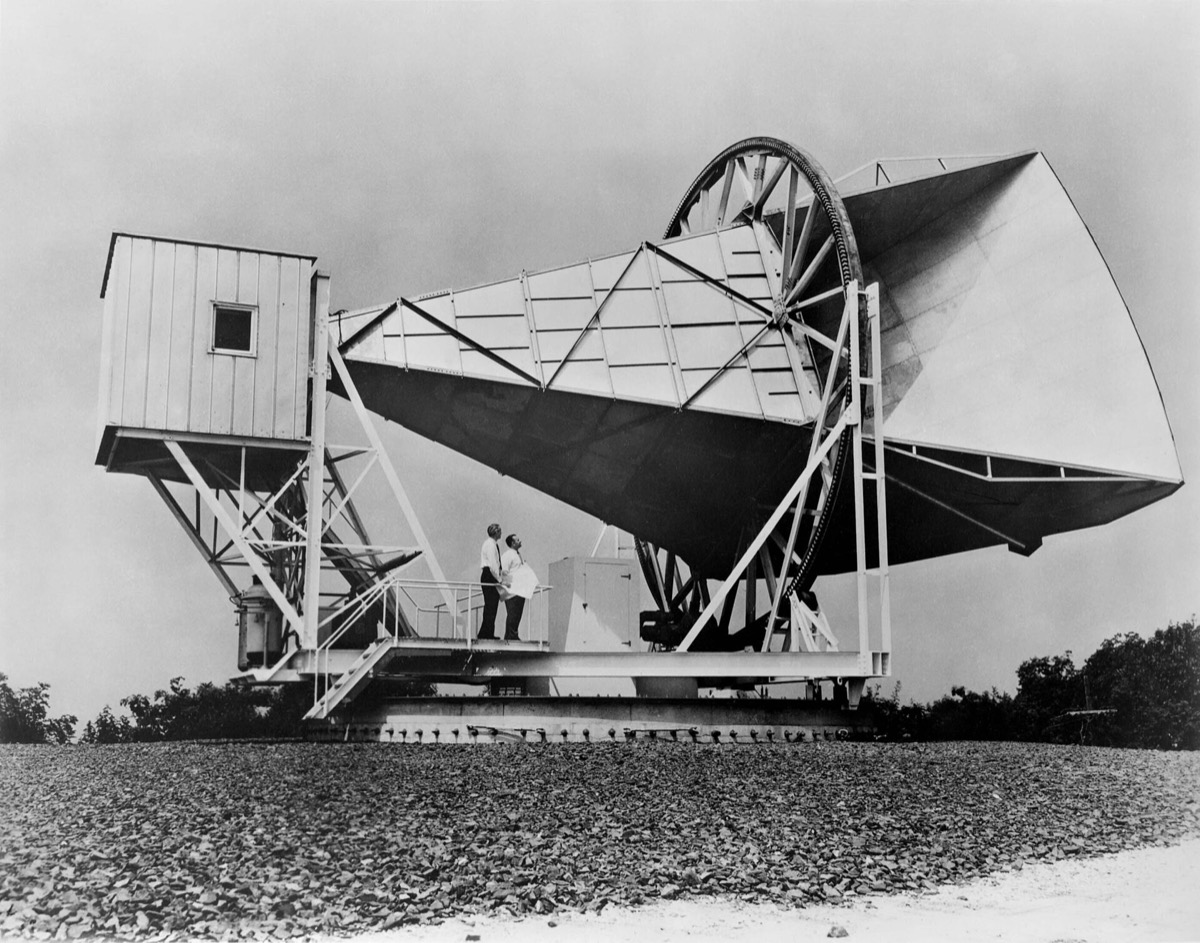
At Bell Telephone Laboratories in the early nineteen sixties there was a built for satellite communications, with remarkably low noise of its own. When it became available for research, Penzias and Wilson pointed it at the sky to study the faint , tuned to seven centimeters, where the intensity should have been very low. They measured a comparatively high one.
The glow left over from the beginning of the universe. By painstaking testing they ruled out the receiver and the atmosphere, and showed the signal came from outer space with the same intensity in every direction. That allowed a surprising conclusion: the universe is filled uniformly with microwave radiation. The two made no suggestion about its origin.
Radio astronomy had a background problem. Many astronomical objects emit radio waves: hydrogen clouds when excited, cosmic ray electrons spiralling in interstellar magnetic fields, single stars, galaxies and quasars. To study any of them, their radiation has to show up above the general background. What that background was made of, and where it came from, had long been unclear, with the assumption being the summed output of a great many sources.
The instrument that settled it was built for something else. At the start of the nineteen sixties Bell Telephone Laboratories made a very sensitive receiver for radio communications with the Echo and Telstar satellites. Its own noise was very low, and it was tuned to a wavelength of seven centimeters, where the intensity of cosmic microwaves was expected to be quite low. When the apparatus became available for research, Penzias and Wilson turned it on the background.
They found a comparatively high intensity, and spent their effort trying to make it go away. Suspecting at first that the radiation originated in the instrument or in the atmosphere, they showed by painstaking testing that it came from outer space, and that its intensity was the same in all directions. That allowed a surprising conclusion: the universe is filled uniformly with microwave radiation. They offered no explanation for it.
The explanation was waiting in another field. When the discovery became known it emerged that speculations about a weak microwave background already existed, arising from nineteen forties attempts to explain how the chemical elements were . Gamow and his associates had put that synthesis at the beginning of the universe. Given a universe, that implies a compact and very hot start, with nuclear reactions at around ten billion degrees. It also implies a great release of radiation, from X-rays through visible light to radio waves. The hiss in the horn was what that radiation had cooled into.
wat. They were trying to remove the noise. The noise was the oldest light there is.
wat wat
Somebody else had already predicted it. Work in the nineteen forties on how the chemical elements were built had implied a faint microwave background, and nobody had told the two people holding the antenna.
How do we know?
The Royal Swedish Academy of Sciences press release for the nineteen seventy-eight prize in physics, half of which went to Arno Penzias and Robert Wilson for their discovery of cosmic microwave background radiation.
What is still unknown
A prize announcement rather than a paper. It recounts the measurement and the theory it confirmed, and notes that other explanations for an expanding universe remain possible.
Learn something?
Where to next
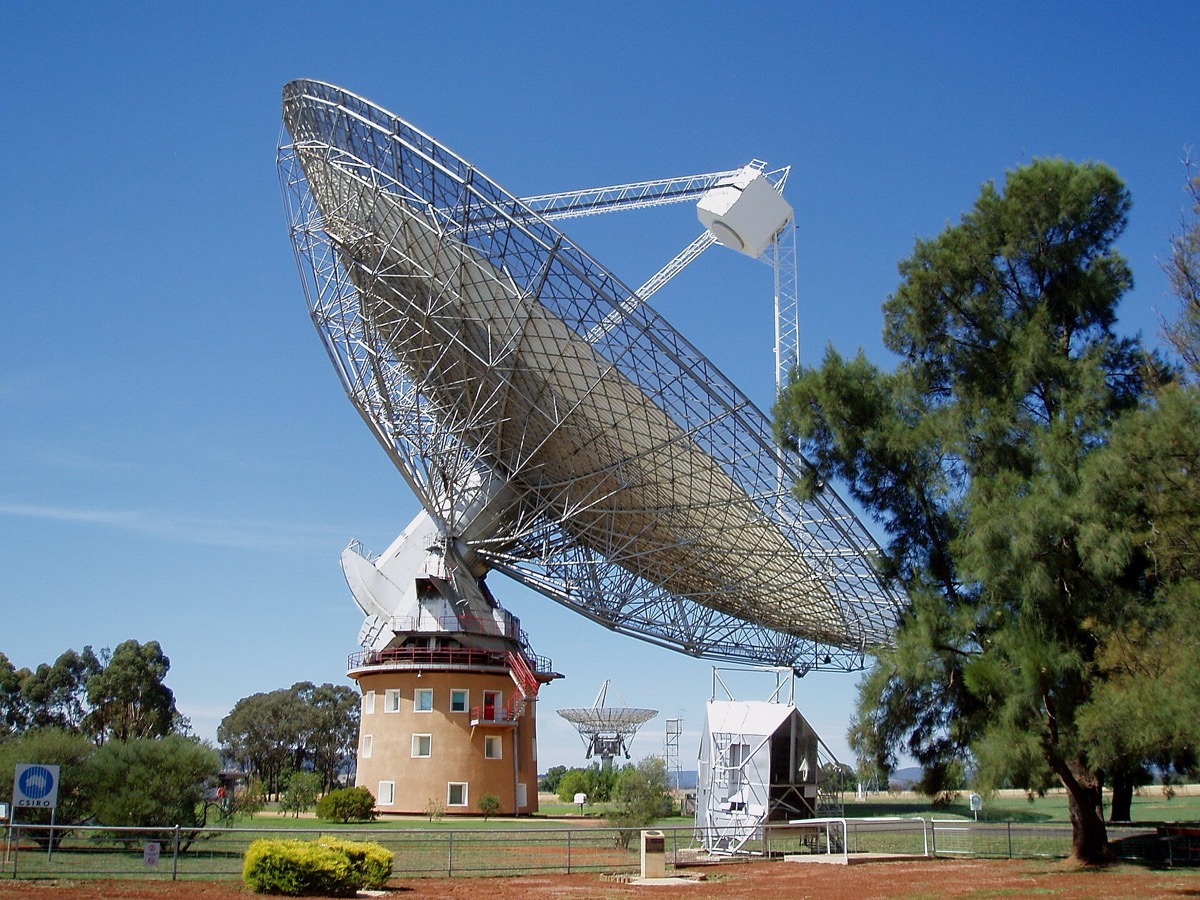 What did the strongest SETI candidate ever recorded look like?radio astronomy
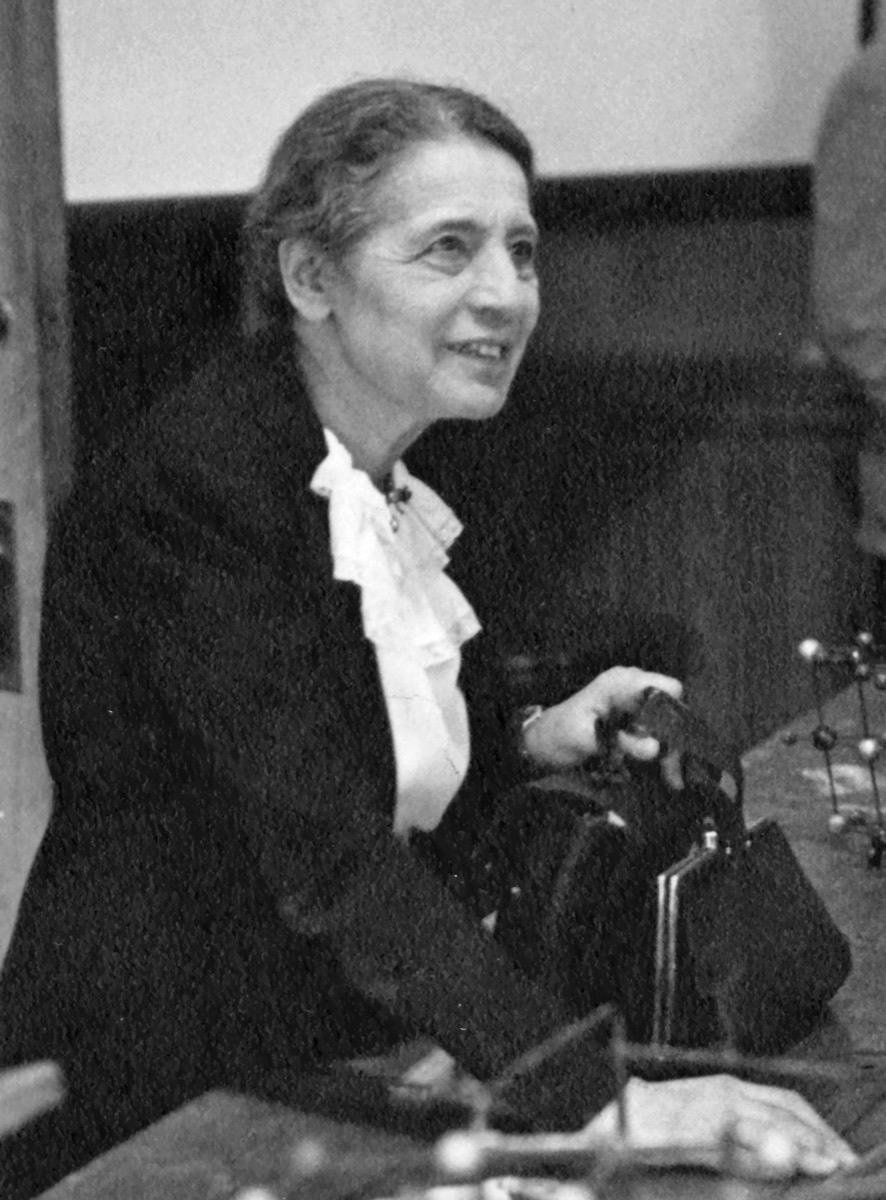 Who worked out that the uranium atom had split?nobel prize
 Why can a plant starve in an atmosphere that is mostly nitrogen?nobel prize