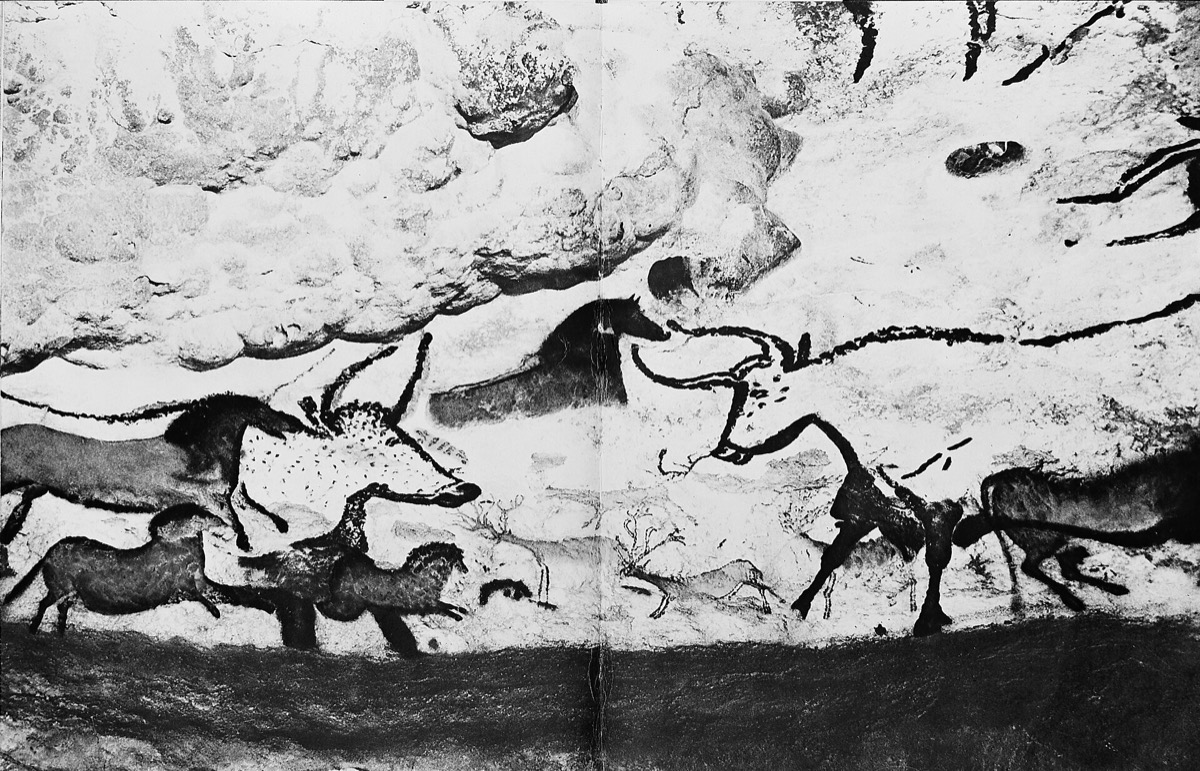
The Dordogne holds more than 200 decorated cave sites, and all of its figures were thought to be drawn in . Iron and manganese oxides carry no carbon, so nothing there could be dated directly. Researchers examined the walls of with instruments that identify a material without scraping it. What was hiding in the paint?
Charcoal, in a large number of the figures. and portable X-ray fluorescence, together with visible and infrared imaging, found charcoal-based Paleolithic drawings alongside the oxide ones, which nobody had seen in the region before. Some carbon figures sit directly over mineral ones, so the decoration was made in at least two phases. Charcoal holds carbon, so these lines could in principle be radiocarbon dated.
Paleolithic cave art is almost impossible to sample. Any method that takes material away damages the thing it is studying, which is why the age of most of it has been argued from style for a century.
The region makes that frustrating. The Dordogne has more than 200 decorated caves, and its figures were thought to be made exclusively with mineral pigment. Iron and manganese oxides carry no carbon, so radiocarbon has nothing to work with and the paintings could not be dated directly at all.
So the team brought the instruments to the wall. In-situ Raman spectroscopy, portable X-ray fluorescence and imaging in visible and infrared light identify a material at a distance, and at Font-de-Gaume they revealed a large number of charcoal-based figures beside the oxide ones.
Two things follow. Carbon figures partly overlie mineral ones, which means the panels were decorated in at least two phases rather than one. The charcoal itself is organic, which opens a path to that was closed before. Neither amounts to a date yet, and the cave had been examined for more than a hundred years before the right instrument arrived.
wat. Some figures at Font-de-Gaume turn out to be drawn in charcoal, and their age still has to be measured.
wat wat
Identifying what a figure is drawn with can open a route to dating the art directly, without damaging it, and Font-de-Gaume has been studied for over a century without anyone finding this.
How do we know?
Reiche and colleagues worked in the cave itself, with in-situ Raman spectroscopy, portable X-ray fluorescence and imaging across visible and infrared wavelengths, taking no samples from the paintings.
What is still unknown
Identifying charcoal is not the same as dating the painting, and no date came out of this work. Even a radiocarbon result would start its clock when the wood died rather than when the line was drawn.
Learn something?
Where to next
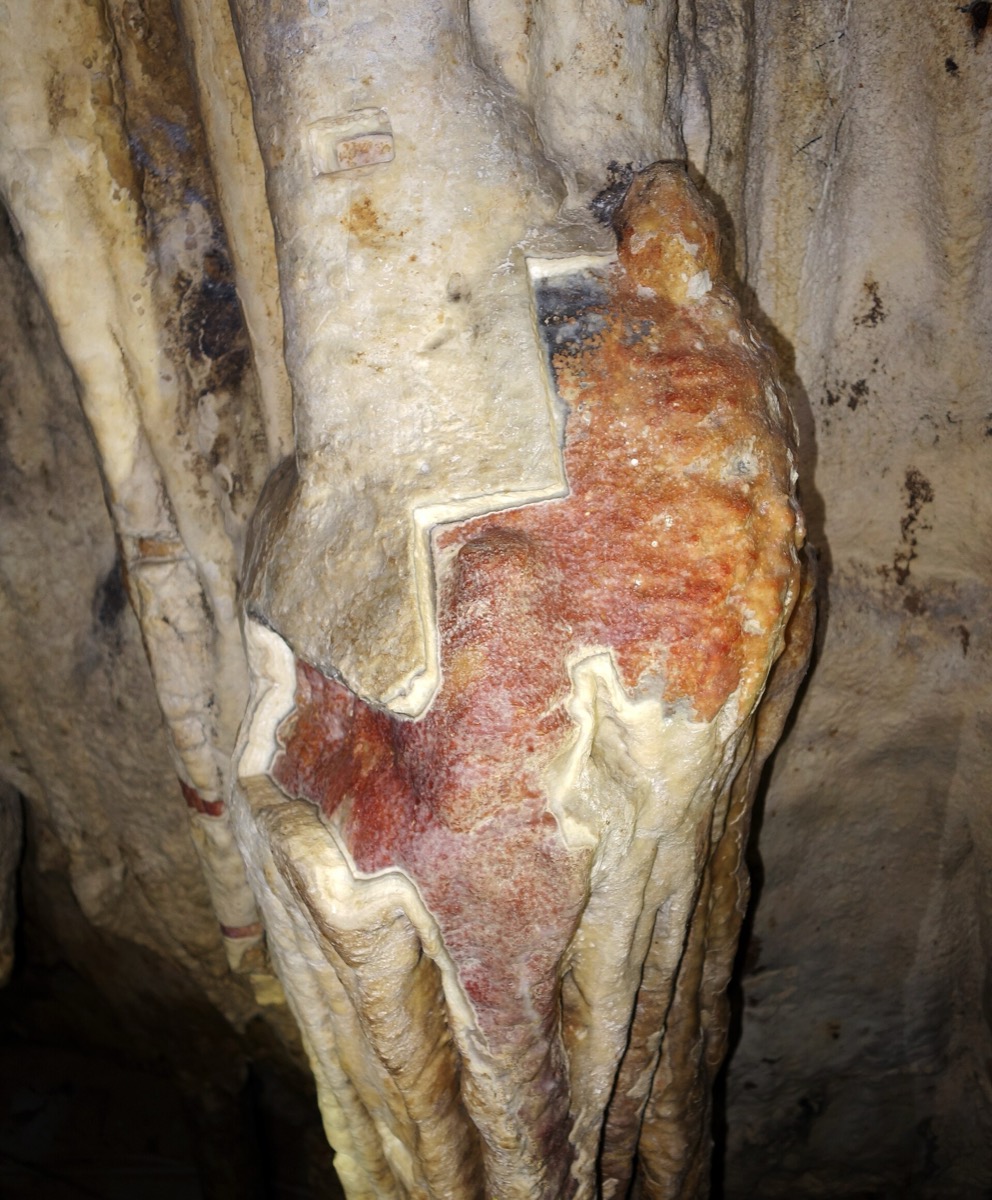 How do you date a painting that contains no carbon?cave art
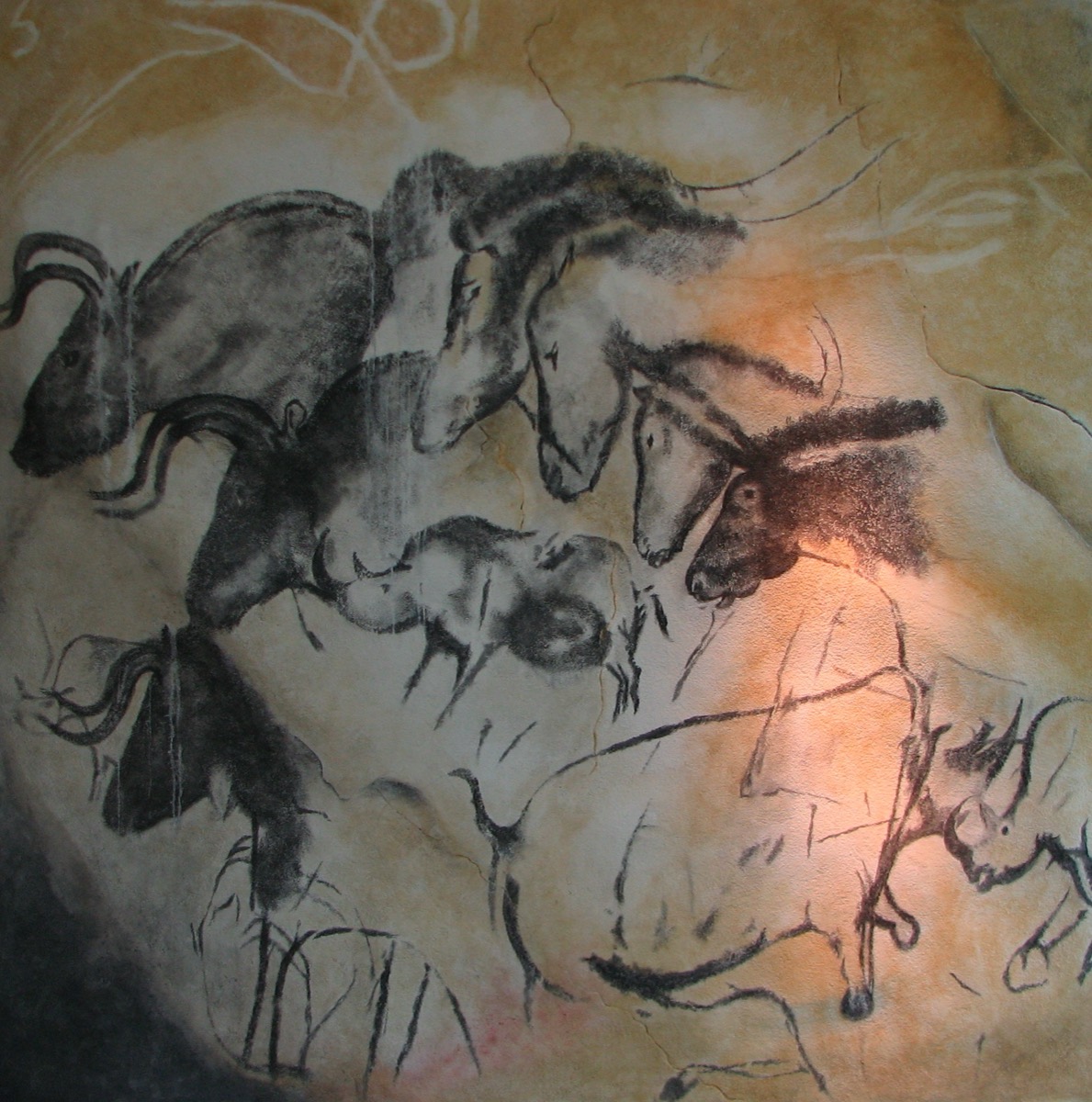 How many separate visits made the art at Chauvet?cave art
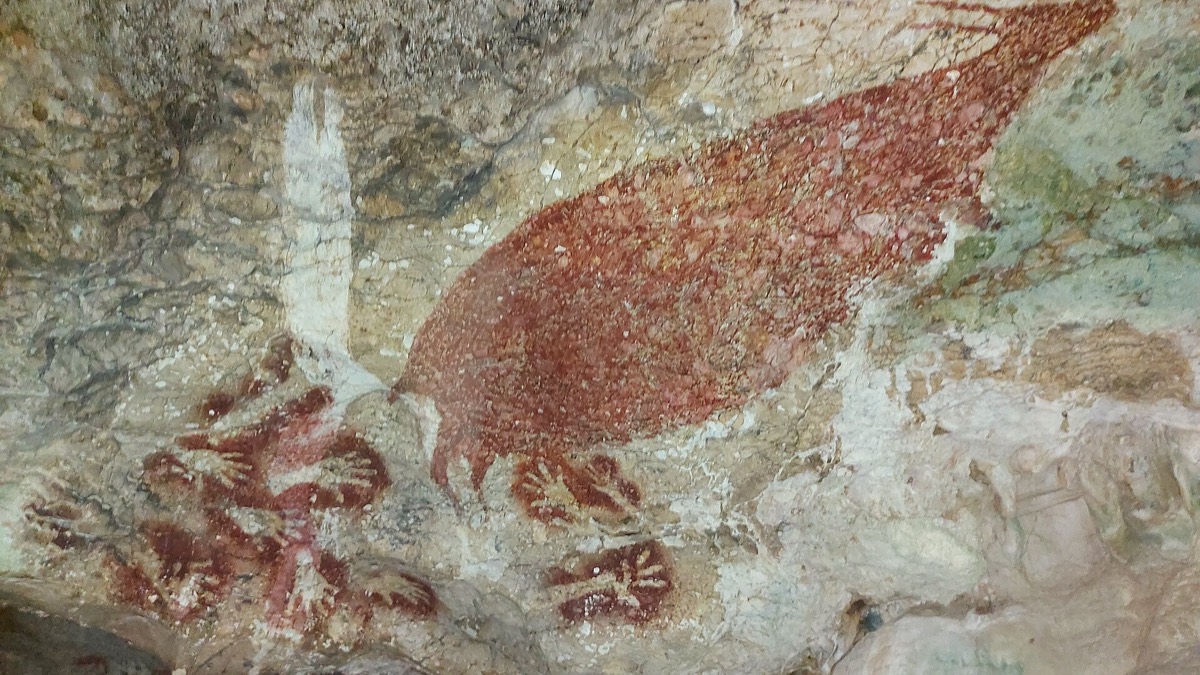 When did people start painting a story rather than a thing?cave art