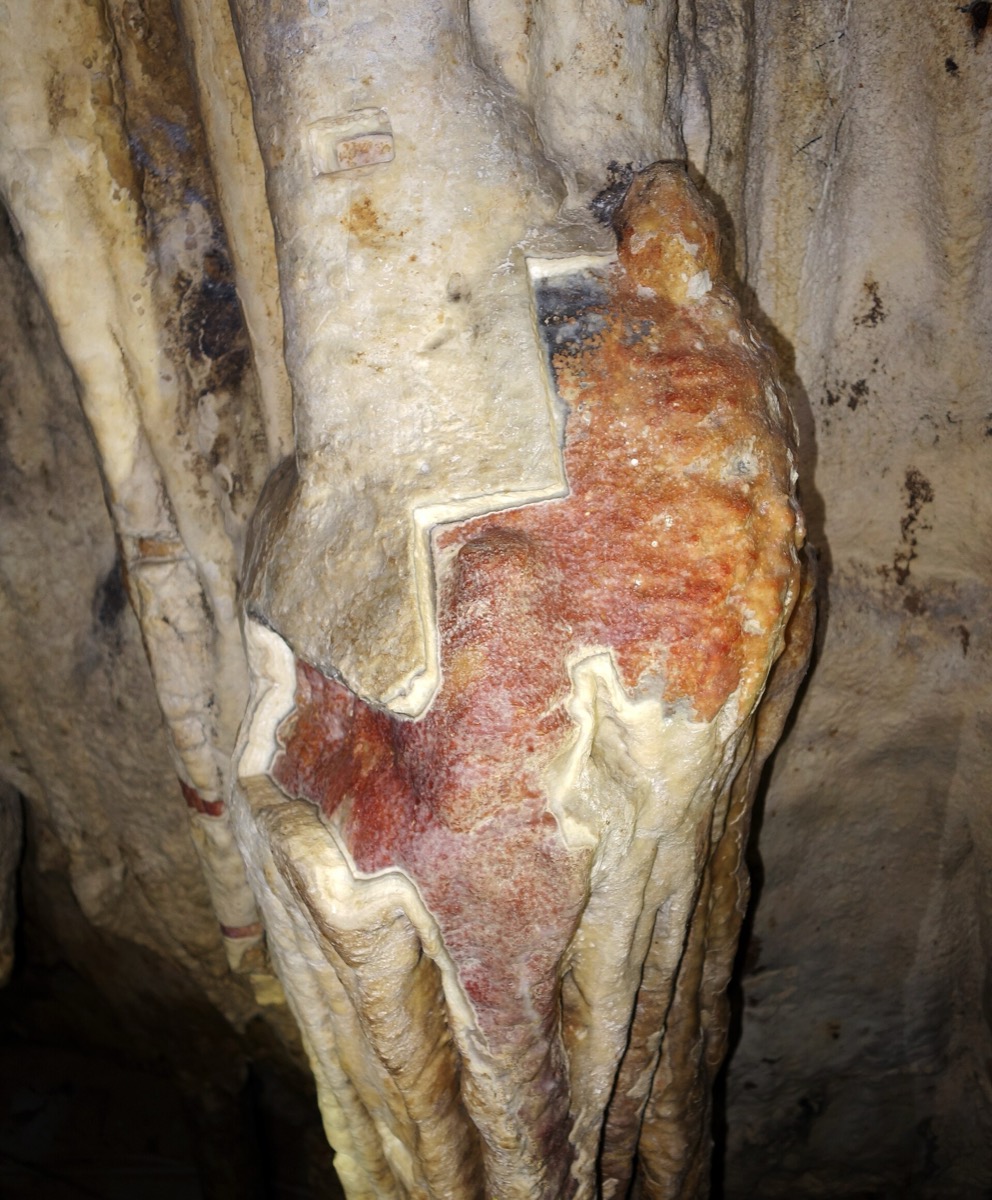
Paleolithic cave art is an exceptional archive of early human symbolic behavior, and after more than a century of study its chronology is still poorly understood. Radiocarbon needs carbon, and much of this art contains almost none. The rock around it, though, keeps growing.
Date the crust instead of the paint. dating of deposits lying over or under art in 11 Spanish caves gives minimum ages of 40,800 years for a red disk and 37,300 for a . A claviform-like symbol comes in at 35,600, which pushes cave decoration back to the .
Paleolithic cave art is an exceptional archive of early human symbolic behavior, and its chronology is still poorly understood after more than a century of study. The obstacle is technical: the art holds only minimal amounts of carbon, so radiocarbon dating has little to work with.
The alternative is to date what grew around it. The authors present uranium-series disequilibrium dates of calcite deposits overlying or underlying art in 11 caves, including the World Heritage sites of Altamira, El Castillo and Tito Bustillo in Spain.
Three motifs anchor the result. The minimum ages are 40,800 years for a red disk, 37,300 years for a hand stencil and 35,600 years for a claviform-like symbol. That places the tradition of decorating caves at least as far back as the Early Aurignacian.
The sequence within the art is its own finding. The earliest art used primarily red and was relatively formless, with animal depictions appearing later, and the ages from three caves are older than 35,000 years, with one close to 41,000.
wat. A red disk under 40,800-year-old calcite has to be older than the calcite.
wat wat
A date on the crust bounds the painting beneath it, which is how a question about carbon becomes a question about limestone.
How do we know?
Pike and colleagues measured uranium-series disequilibrium in calcite overlying or underlying art in 11 caves, including the World Heritage sites of Altamira, El Castillo and Tito Bustillo.
What is still unknown
Calcite over art gives a minimum age and calcite under it gives a maximum, so these are bounds rather than the moment of painting.
Learn something?
Where to next
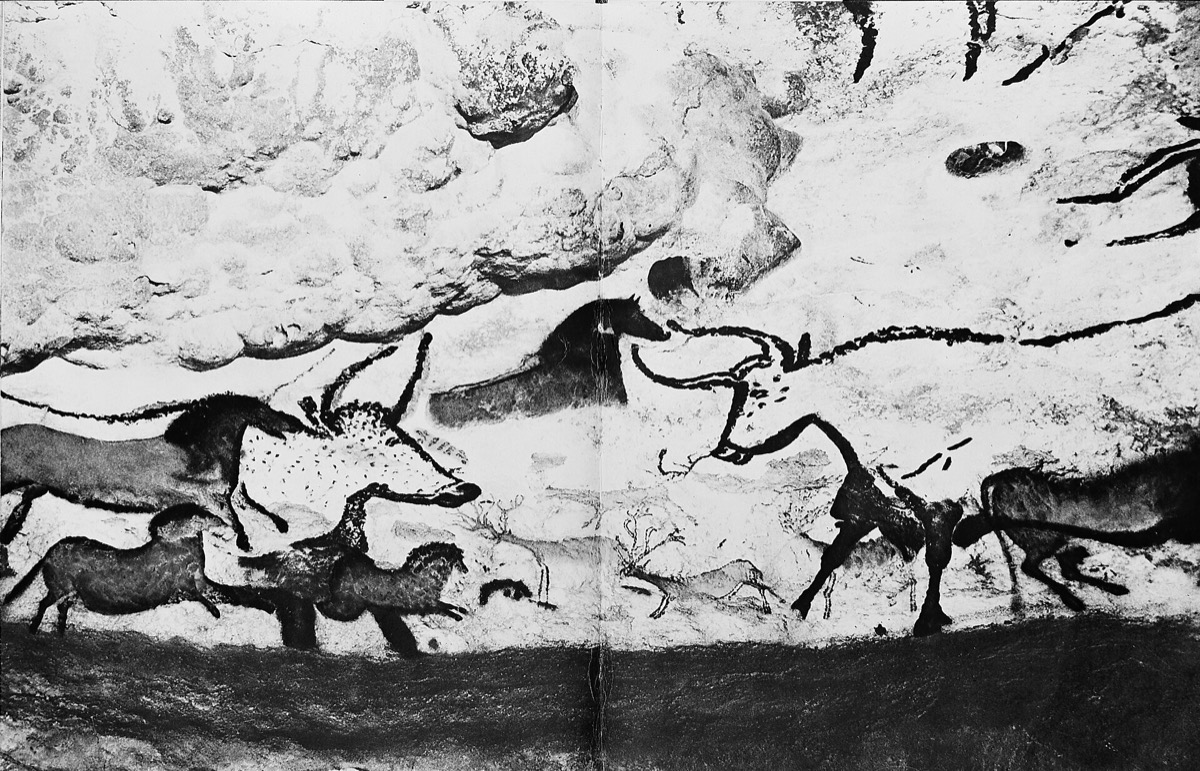 What did a scan that never touches the wall find in cave paintings?cave art
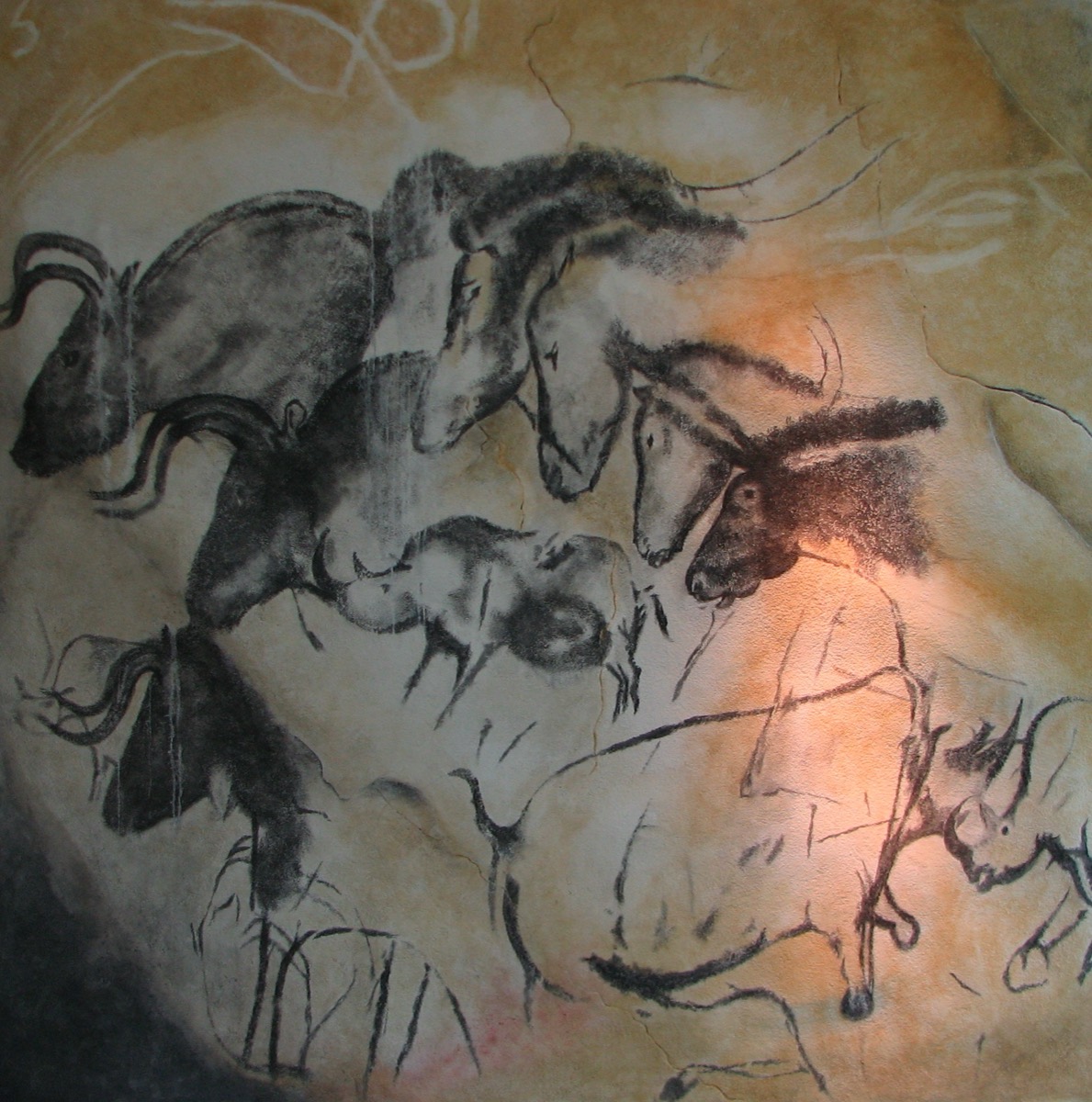 How many separate visits made the art at Chauvet?cave art
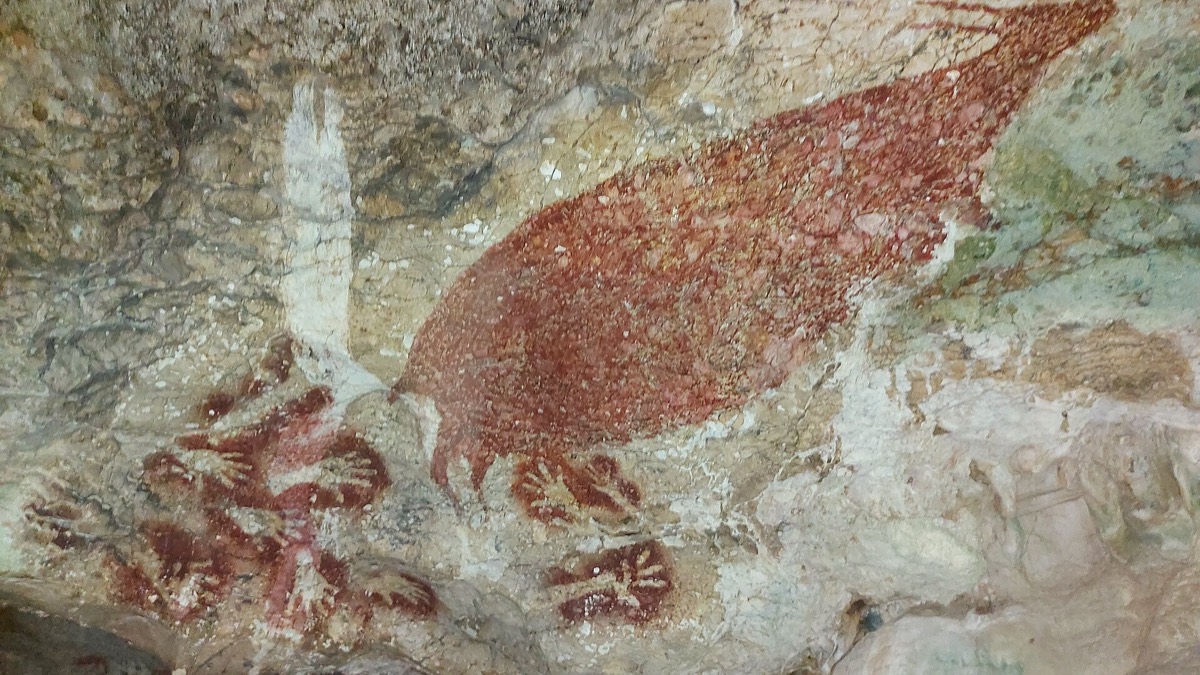 When did people start painting a story rather than a thing?cave art