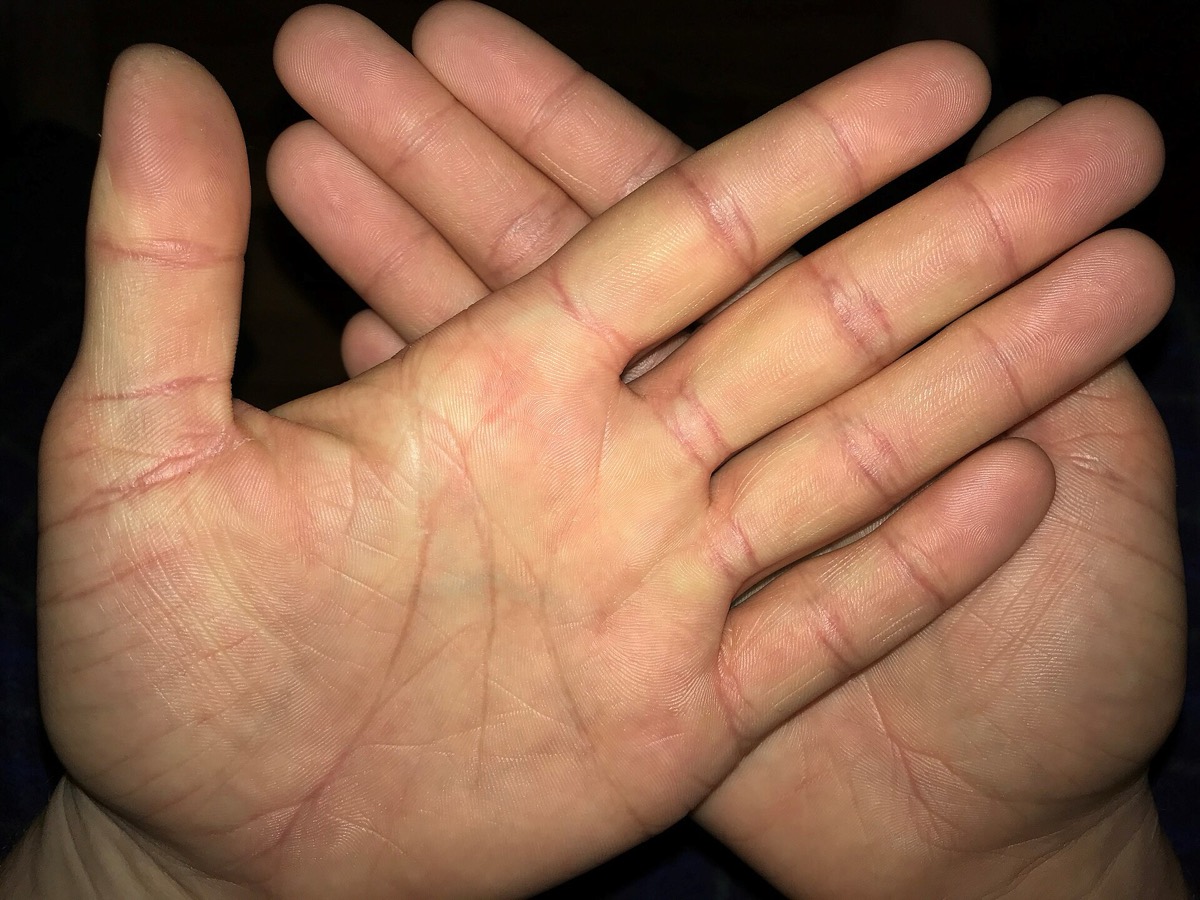
A touch you produce yourself feels less ticklish than exactly the same touch delivered by somebody else. The sensation is identical at the skin, so the difference has to be made somewhere inside. One candidate is that the brain predicts the consequences of its own movements and subtracts them. So functional imaging compared against externally produced tactile stimulation. Where does the subtraction happen?
The appears to do the subtracting. showed more activity when the stimulus was externally produced, which matches the stronger sensation. In the cerebellum, less activity went with a movement that generated a tactile stimulus than with a movement that did not. That difference suggests the cerebellum predicts the specific of a movement and supplies the signal that cancels the response.
A self-produced tactile stimulus is perceived as less ticklish than the same stimulus generated externally. That is easy to verify and harder to explain, because nothing differs at the skin. The difference is manufactured somewhere between the receptor and the sensation.
The leading account is prediction. A brain issuing a movement command can also predict what that movement will feel like, and then subtract the predicted sensation from what arrives. Anything left over is news. This machinery would be useful well beyond tickling, since it is also how an animal distinguishes its own motion from the world moving around it.
Functional magnetic resonance imaging was used to examine neural responses while subjects experienced a tactile stimulus that was either self-produced or externally produced. More activity was found in somatosensory cortex when the stimulus came from outside, which tracks the stronger sensation.
The cerebellar result is the informative one. Less activity was associated with a movement that generated a tactile stimulus than with a movement that did not. The authors read that difference as the cerebellum predicting the specific sensory consequences of movements, and providing the signal used to cancel the sensory response to self-generated stimulation. Keep the inference loose: this is a small 1998 study, and a difference in regional activity is indirect evidence for a computation.
wat. Your own hand cannot tickle you because the cerebellum predicts the touch and cancels the sensation before you feel it.
wat wat
The mechanism is general. A brain that subtracts its own predicted sensations is how you tell the world moving from yourself moving, and the tickle is the version of that you can feel in your own hand.
How do we know?
Blakemore, Wolpert and Frith used functional magnetic resonance imaging to compare neural responses while subjects experienced a tactile stimulus that was either self-produced or externally produced.
What is still unknown
A small 1998 imaging study, and the cerebellar result is a difference in activity rather than a cancellation signal anyone recorded. Inferring a computation from where a scanner lights up is indirect.
Learn something?
Where to next
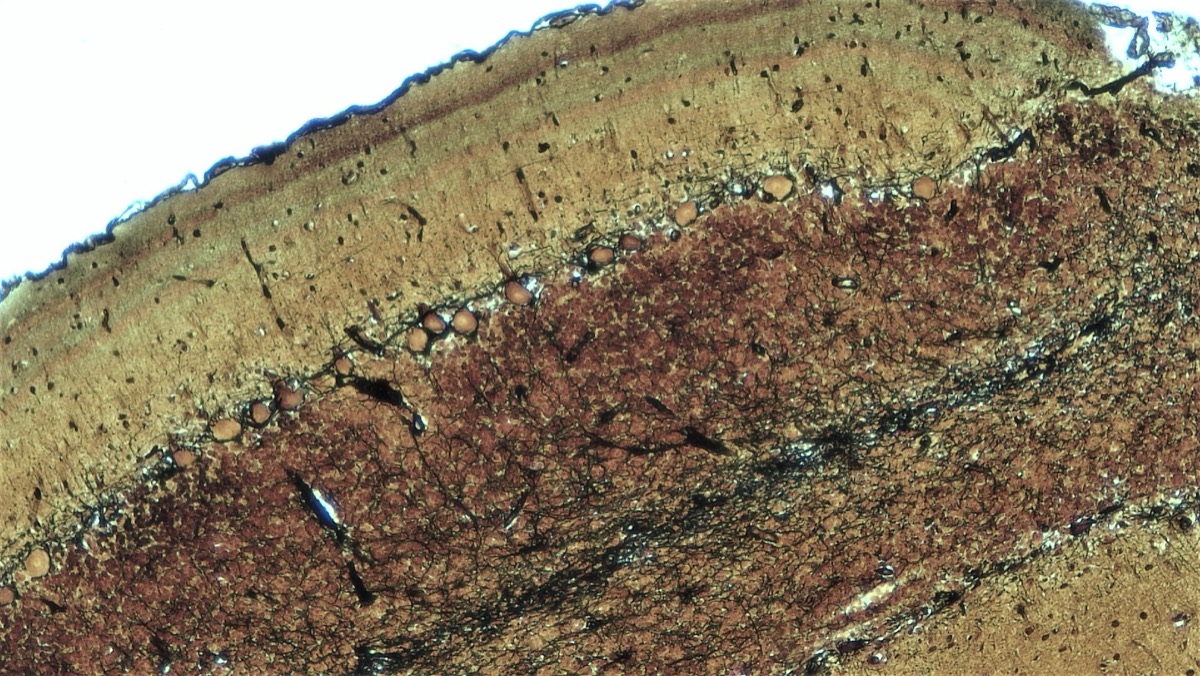 Why does the part of the brain that steadies movement also help you read intentions?cerebellum
 What is a brain doing while a story keeps you hanging?brain
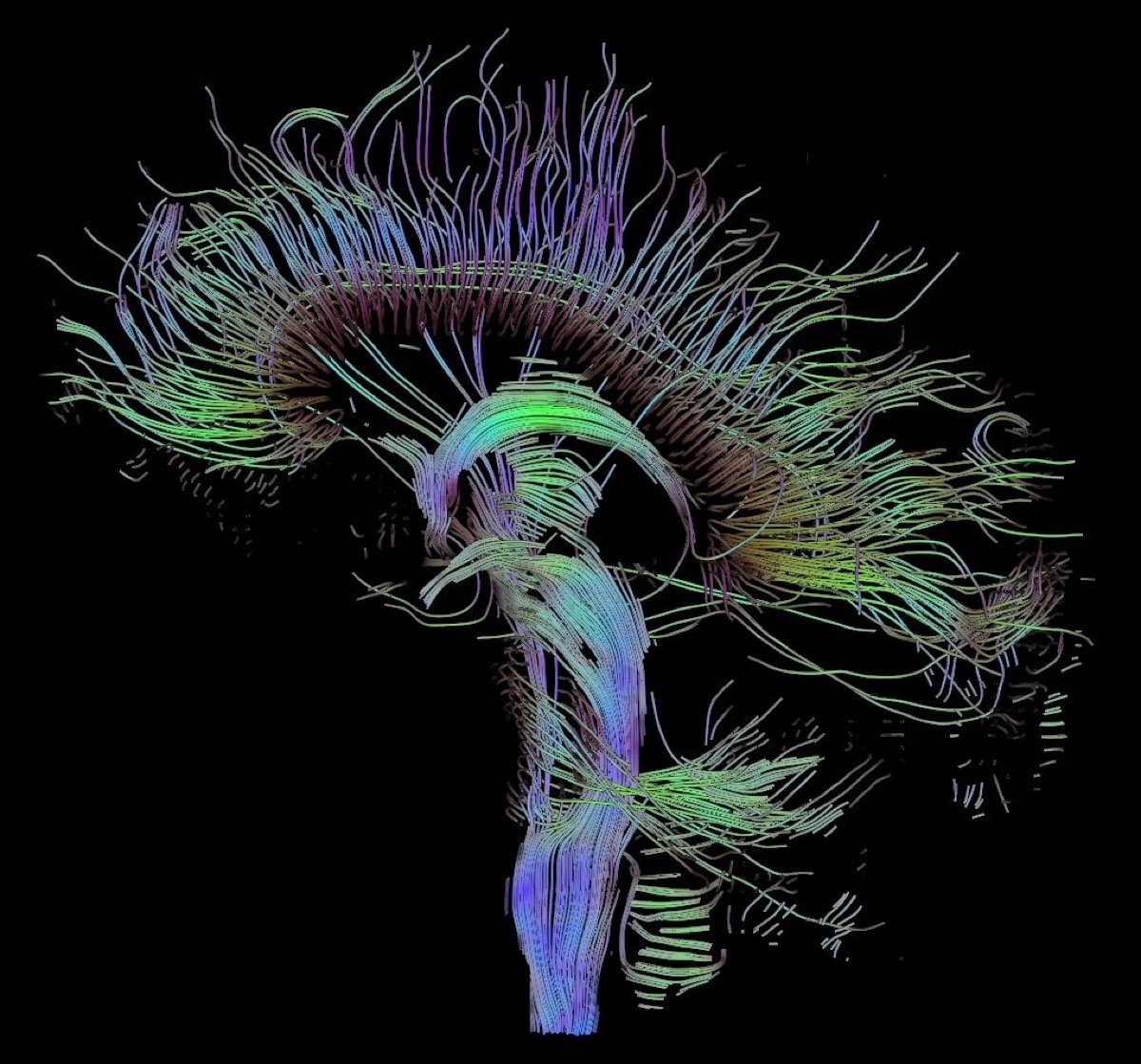 What does the brain do at night that it cannot get done by day?brain