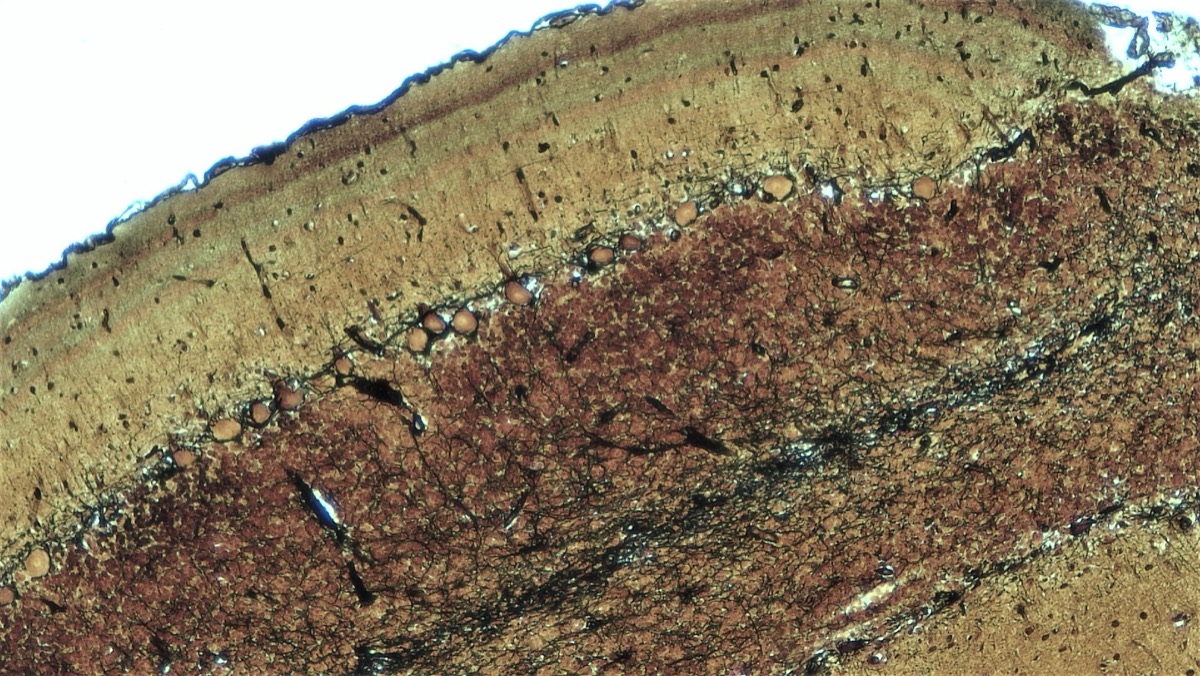
The , the folded structure at the back of the brain, is the motor and balance department in every textbook. Scans keep finding it active while people work out what somebody else intends or believes. Experts in the field pooled what is known. What do those two jobs have in common?
Both are sequences, and the cerebellum predicts sequences. The consensus paper gathers imaging, lesion and brain stimulation work showing a social role in two forms: reading goal-directed actions from how a person moves, and inferring mental states such as intentions, beliefs and personality. The second kind sits mainly in the posterior cerebellum, around the regions called Crus I and Crus II.
The cerebellum is where the textbook puts balance, coordination and the timing of movement. Damage there produces an unsteady walk and clumsy reaching, and that kept the textbook entry settled for most of a century.
Then the imaging accumulated. Beyond cognition and affect, which were added earlier, the posterior cerebellum turned out to be active while people infer what somebody intends or believes, and while they anticipate how an interaction will unfold. Lesion studies and brain stimulation point the same way.
The explanation on offer is not that this structure understands people. It is : social life is full of sequences, and the cerebellum learns them and predicts their continuations, exactly the service it performs for movement. Catching a ball and guessing what somebody says next can run on one machine.
Two forms of the social role appear, and they sit at different distances from the original job. , reading a goal off a movement, is almost motor learning. , inferring a belief, is not, and it localizes mainly to Crus I and Crus II. As a consensus paper this is strong on direction and loose on detail, and the precise path between the two remains open.
wat. The cerebellum predicts the next step in a movement, and it appears to predict the next step in an interaction as well.
wat wat
The tidy split between motor areas and thinking areas misses how thoroughly the brain reuses one machine, and the clinical side follows: cerebellar damage can disturb social understanding too.
How do we know?
A consensus paper brought together specialists to assemble anatomical findings, brain imaging, recordings and clinical studies in people, and to state which conclusions the field actually agrees on.
What is still unknown
This is a consensus document over a varied body of work rather than one experiment, and the exact route from predicting a movement to understanding a person is still being mapped.
Learn something?
Where to next
 Why can nobody tickle themselves?cerebellum
 What happens to an investment strategy after research publishes it?prediction
 What is a brain doing while a story keeps you hanging?prediction