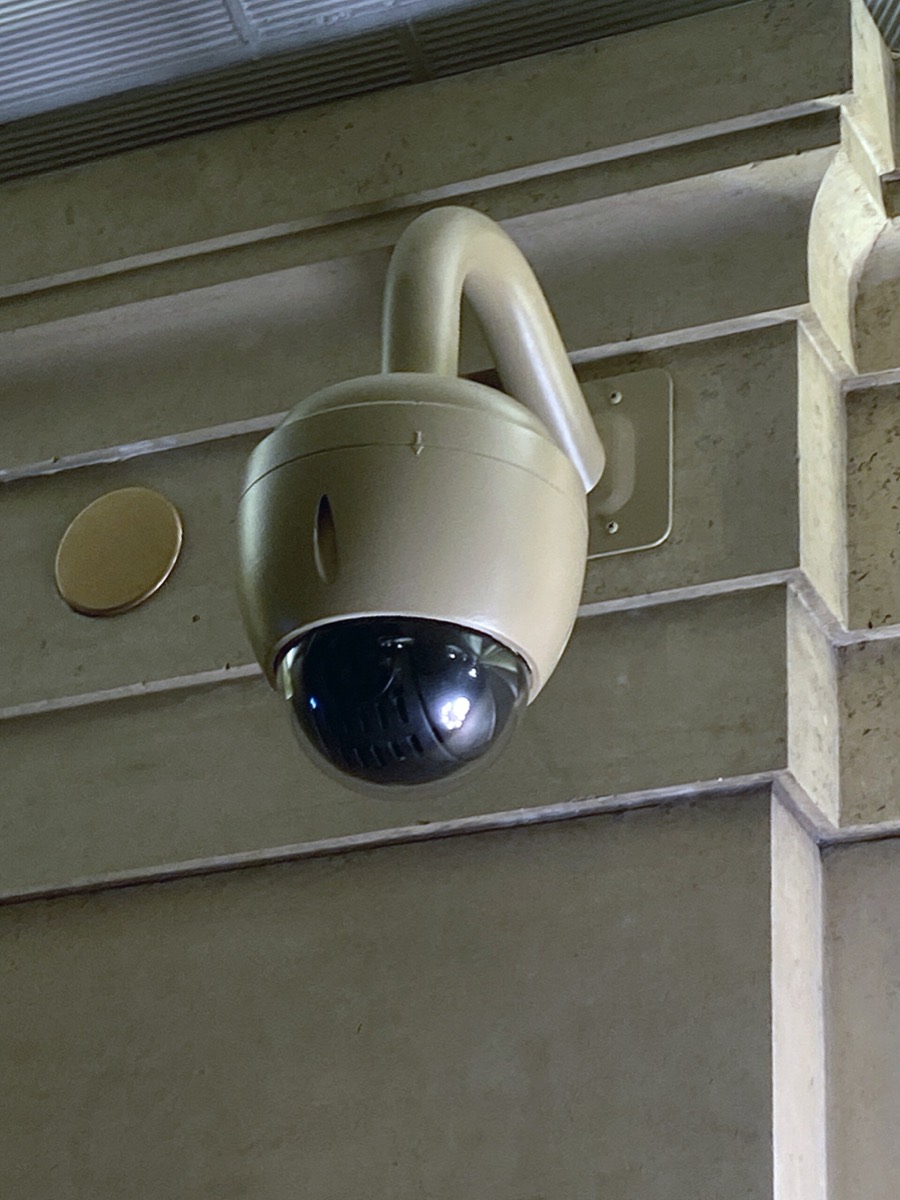
Half a century of research says each individual is less likely to help when others are present. That is a claim about one person’s odds, and it has been read as a claim about crowds, which is not the same thing. Nobody had asked the question a victim actually cares about. So researchers coded surveillance camera footage of 219 real public conflicts across three countries. Does anyone help?
Somebody helps in nine out of ten conflicts, and usually several people do. Across footage from the United Kingdom, the Netherlands and South Africa, at least one did something to help in about ninety percent of the conflicts. The likelihood was similar in all three countries, despite very different levels of . More bystanders present meant a greater chance that someone intervened, not a smaller one.
For fifty years the bystander literature has said the same thing: an individual is less likely to intervene in an emergency when other people are present than when alone. It is one of the best-known findings in social psychology, and it has been taught as a warning about the indifference of crowds.
Notice what it actually measures. It is a statement about one person’s probability of acting, and it leaves untouched the question of whether at least someone present will do something. For an actual victim, only the second question matters, and it had barely been studied.
This is the largest systematic study of real-life bystander intervention yet done. The dataset is cross-national video of 219 public conflicts captured by in the United Kingdom, the Netherlands and South Africa. In nine out of ten of them at least one bystander, and typically several, did something to help.
Two further results sharpen it. The likelihood of intervention was similar across all three national contexts, which differ greatly in perceived public safety. And increased bystander presence was related to a greater likelihood that someone intervened, which inverts the popular version of the effect. The authors argue the field should stop narrating an absence of help and start asking why some interventions succeed and others fail. The footage has limits. It shows behavior, not motive, and never records whether stepping in helped.
wat. In real street conflicts caught on camera, someone stepped in nine times out of ten, and a bigger crowd made help more likely rather than less.
wat wat
The classic finding and the public lesson drawn from it came apart. Each person being individually less likely to act is compatible with a crowd reliably producing a helper, and only the second answers the question a victim is asking.
How do we know?
Philpot and colleagues coded a cross-national dataset of 219 real public conflicts captured by surveillance cameras in the United Kingdom, the Netherlands and South Africa, recording whether anyone intervened.
What is still unknown
Camera footage shows behavior and not motive, the conflicts are ones that happened in view of a camera in city centers, and whether an intervention helped or made things worse is not what was coded.
Learn something?
Where to next
 Why does applause spread through a hall even when the person beside you is silent?crowds
 Does a crowd really make people less likely to step in?helping
 Why do two people walking toward each other almost never collide?crowds