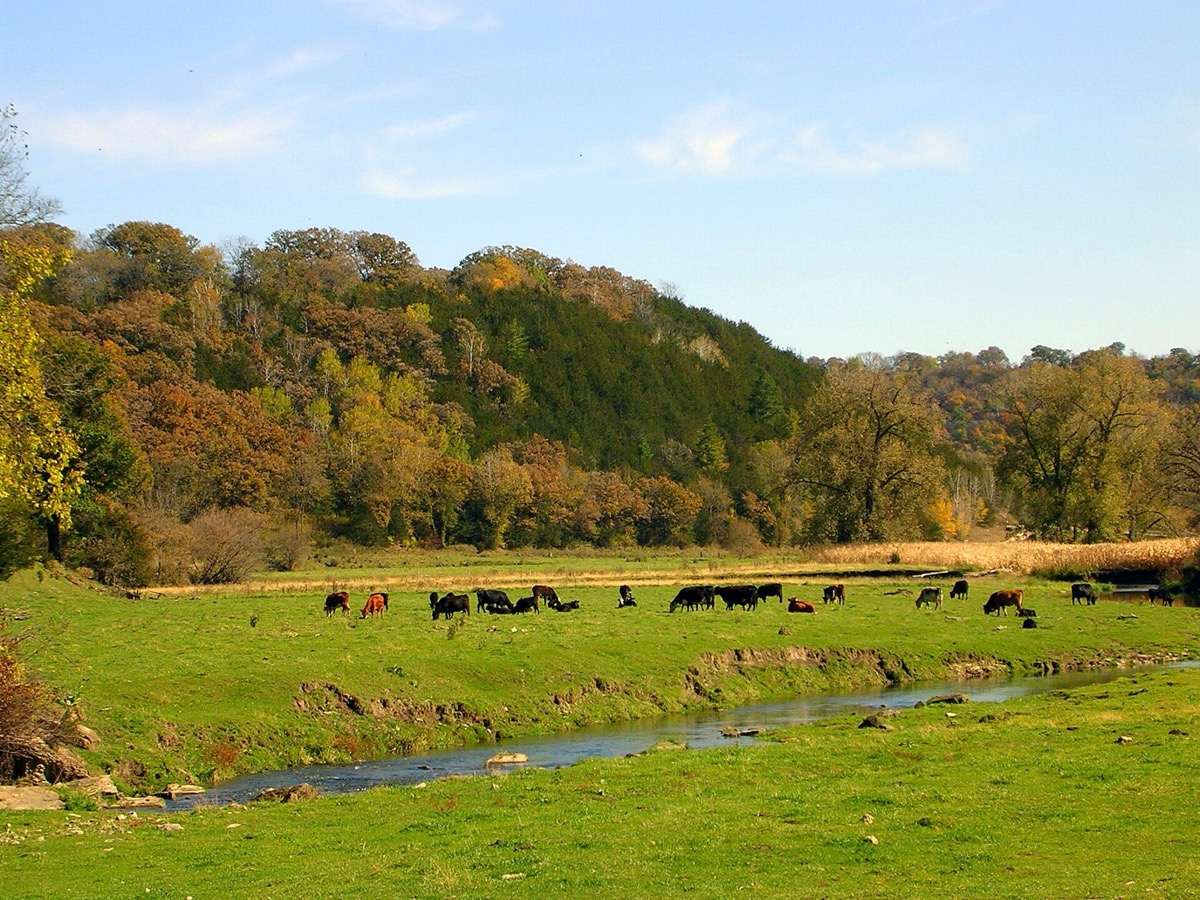
Observational work, some of it from satellite imagery, reported that resting cattle tend to lie on a north-south axis. That would mean a large mammal reading the magnetic field with no migration to spend it on. Nobody had tested the idea by intervening. Weijers and colleagues strapped strong to cows in Portugal and recorded how the animals lay. Does the alignment survive a magnet?
No alignment at all. The thirty-four cows in the experiment showed no directional preference, with a magnet on the collar or without one. Alongside that, thousands of daytime observations of resting cattle showed no north-south pattern either, and the average came out around a hundred and thirty degrees from magnetic north. Where the cows pointed correlated with the direction of the sun, and not with the wind.
A run of , several using satellite imagery, reported that resting cattle tend to lie along a north-south axis. The claim drew attention because these animals neither migrate nor home, so a magnetic sense would have nothing obvious to do.
All of that evidence was observational. Watching an animal and noting which way it faces cannot separate the magnetic field from the sun, the wind, the slope or the shade, because every one of those points somewhere too. The had never been put to an experiment.
Weijers and colleagues fixed strong neodymium magnets to the collars of individual cows in Portugal, which distorts the field the animal feels and leaves the rest of its day alone. The thirty-four animals showed no directional preference with the magnet, and none without it.
The observational half of the same work went the same way. Across thousands of records of resting cattle, the average compass orientation sat well away from north, out toward the southeast, and it correlated with where the sun was rather than with the wind. The simpler explanation had been sitting there the whole time.
wat. A magnet on the collar changed nothing, because the animals were lining up on the sun rather than on the field.
wat wat
A striking observational pattern failed the first experiment anybody ran on it, which is roughly what should happen when a correlation gets mistaken for a sense.
How do we know?
Weijers, Hemerik and Heitkönig fixed strong neodymium magnets to the collars of thirty-four cows in Portugal, and separately logged thousands of daytime observations of resting cattle.
What is still unknown
One herd in one country, under sunny Portuguese conditions that may favor a sun-driven explanation. A null result rules the effect out here rather than everywhere.
Learn something?
Where to next
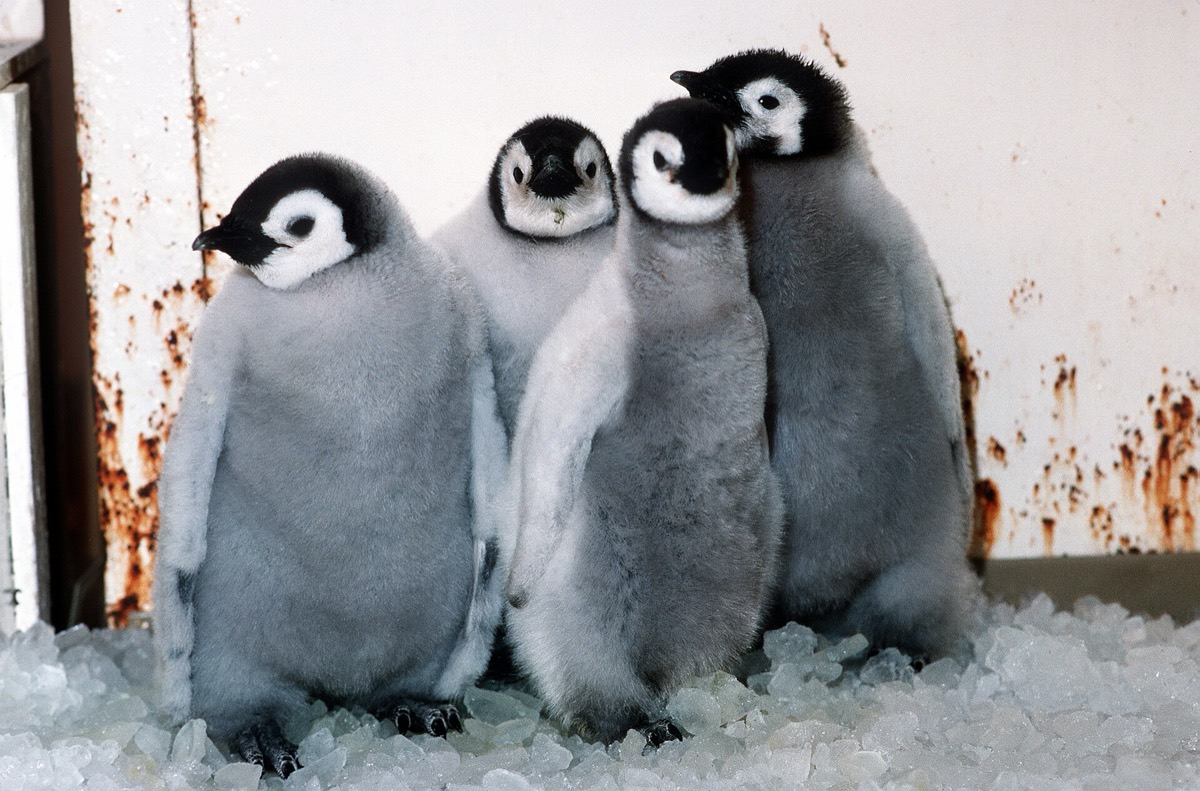 How do penguins decide who has to stand on the cold outside?behavior
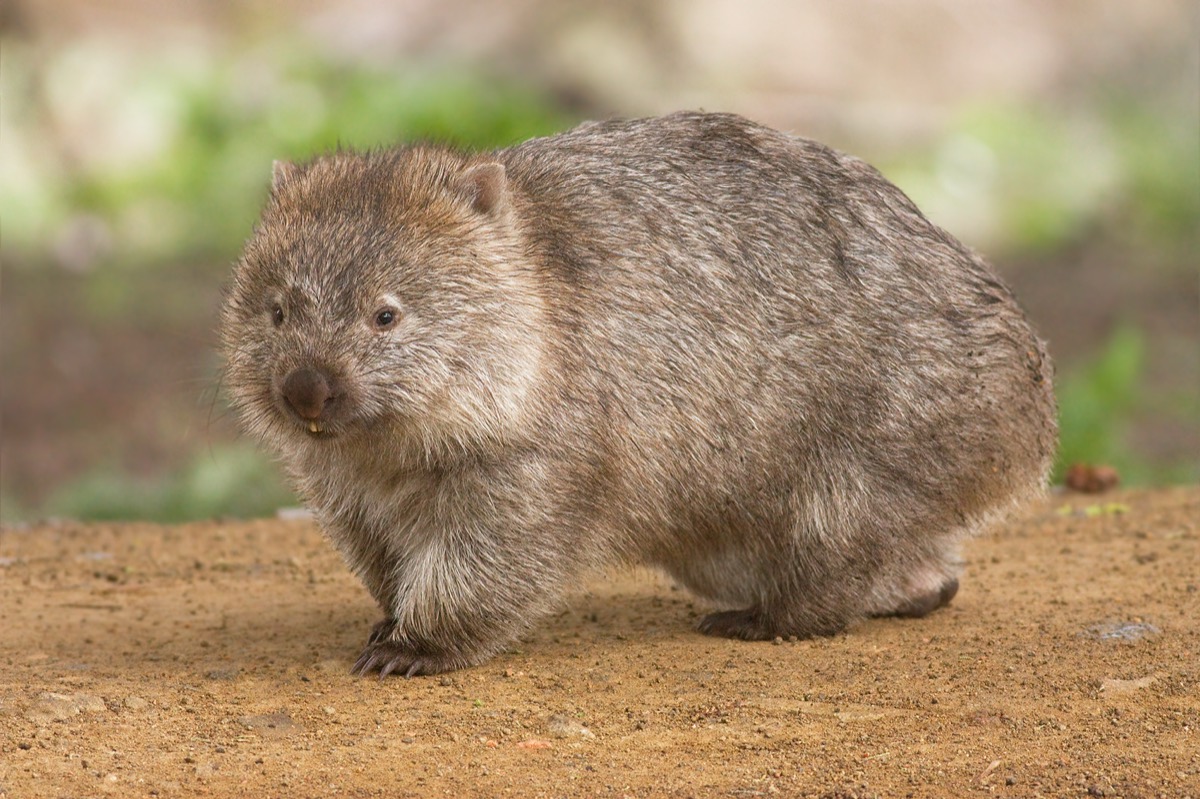 Why does a wombat go to the trouble of leaving its mark up high?behavior
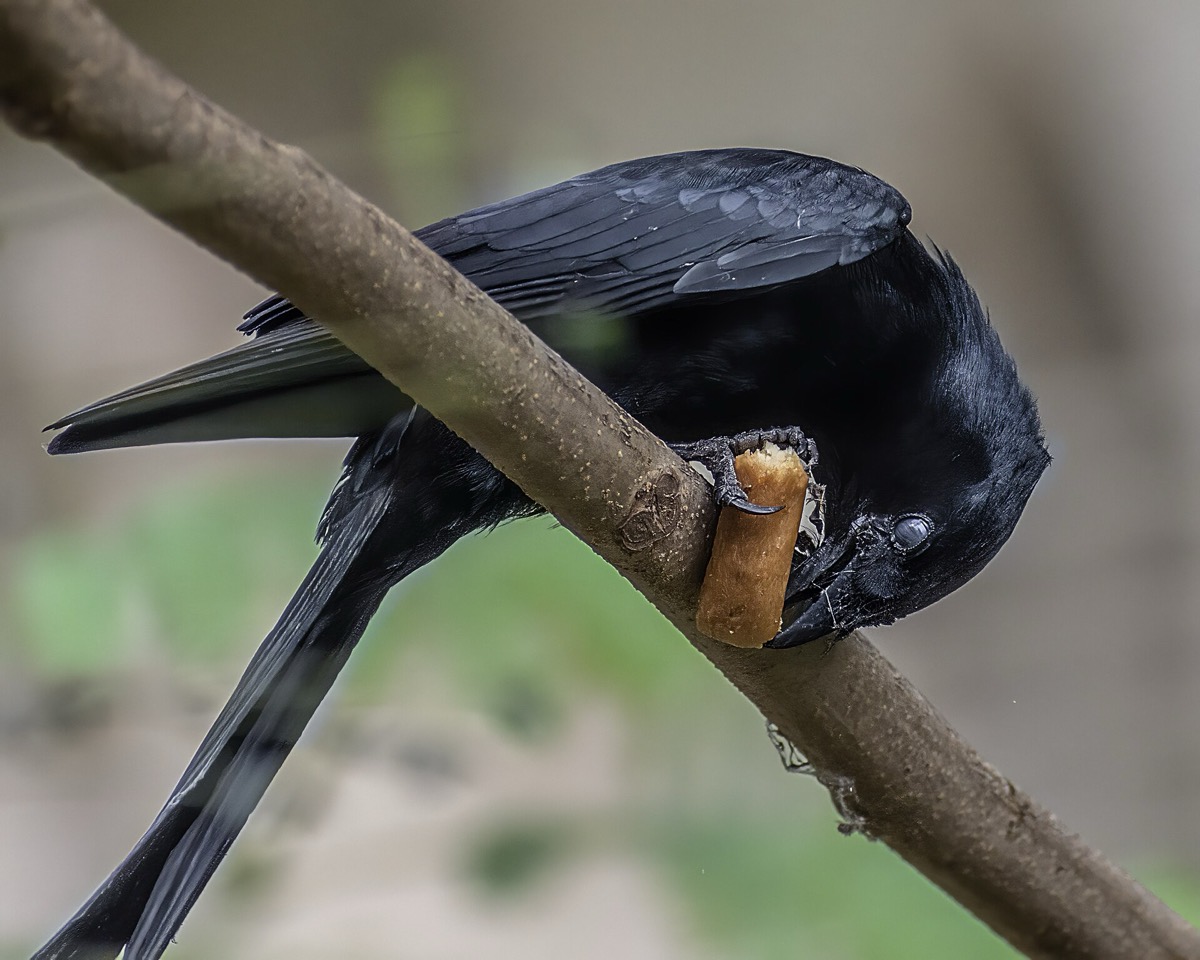 Is handedness something only humans have?behavior