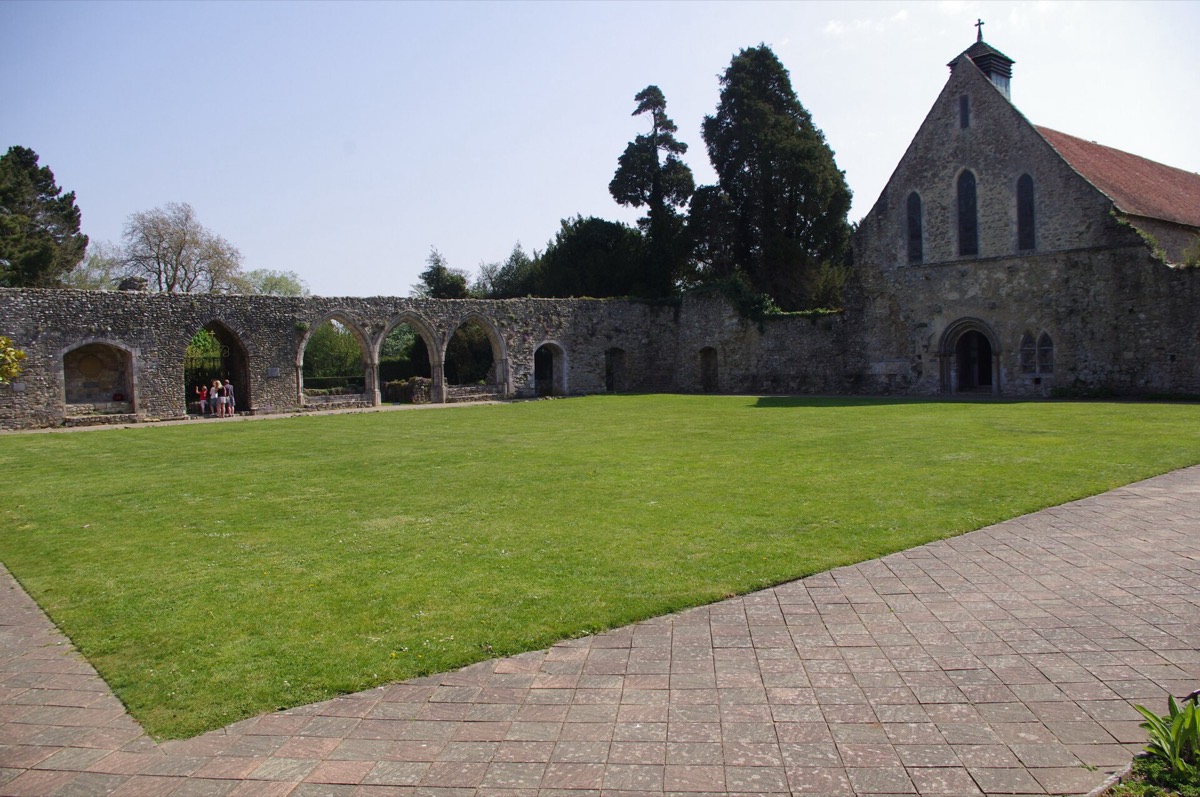
Bare stone and a high ceiling return every sound for seconds after it was made, and that is what gives singing its depth. To find out what the same does to speech, an of was built from its archaeological dimensions and measures were run on it. What came out along the hall?
Low clarity everywhere. Bare stone, a high ceiling and little absorbent material produce a long reverberation: every sound stays in the air for seconds after it was made. For singing that adds depth, because the sounds pile on one another. For speech it is destructive, because each syllable blurs the one after it. The model of Beaulieu Abbey in England was built from published archaeological dimensions.
A speech inside an old abbey sounds blurred, and the feeling is that the problem is bad acoustics. The space is actually excellent, just not for what people are trying to do in it.
Bare stone, a high ceiling and little absorbent material produce a long reverberation: every sound stays in the air for seconds after it was made. For singing that adds depth, because sustained tones pile on one another.
For speech it is destructive for exactly the same reason. Speech is a fast run of syllables, and when the previous syllable is still reverberating it blurs the next. The speech clarity measure measures precisely that, and it falls as reverberation lengthens.
The researchers built a computer model of an English abbey from dimensions in the archaeological research and from absorption coefficients of the original materials, and ran the standard measures on it. Clarity came out low along the whole hall. This is a simulation of a reconstructed building, and the authors note it cannot be calibrated against measurements in the original abbey, which no longer stands intact.
wat. In the Cistercian abbey the speech clarity measures came out low along the whole hall. The space was built for singing in, not for speaking in.
wat wat
Acoustics becomes evidence in its own right. You can ask what a building was built to sound like inside, and not only how it looked.
How do we know?
The model was built from dimensions published in the archaeological research and from comparable buildings, with absorption coefficients matching the original construction materials. Standard measures of speech clarity and reverberation time were then run on it.
What is still unknown
This is a simulation of a reconstructed building. The authors state explicitly that it cannot be calibrated against measurements in the original abbey, which no longer stands intact.
Learn something?
Where to next
 Which feather silences an owl in flight? There is no single answeracoustics
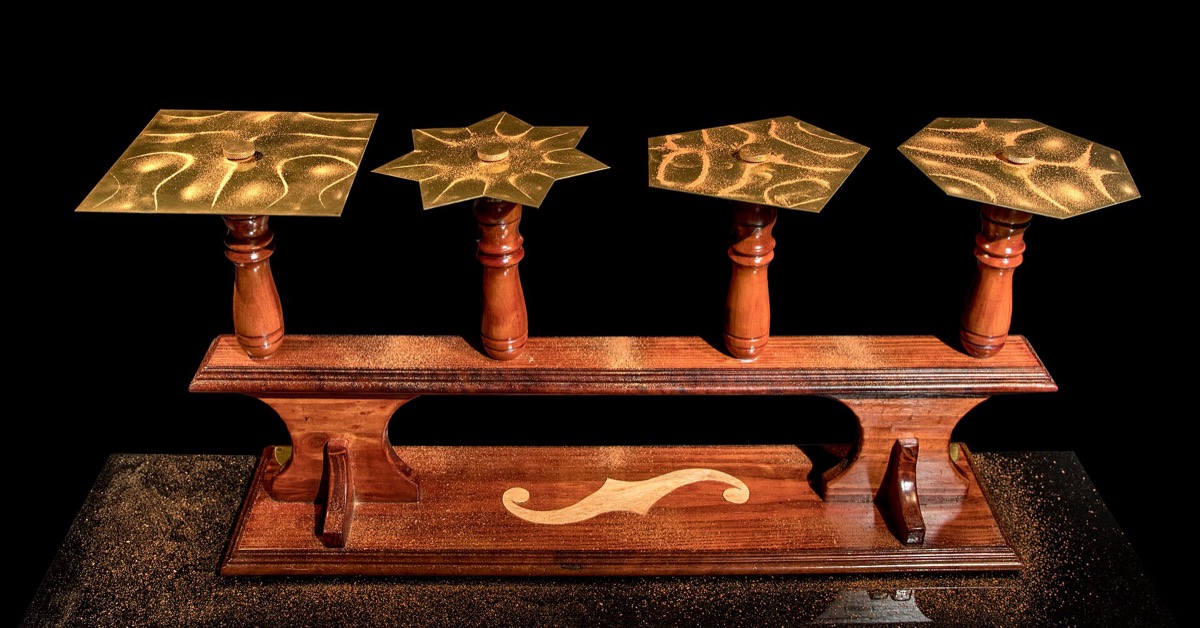 Why does sand on a vibrating plate draw lines?acoustics
 Does singing together release the bonding hormone?singing