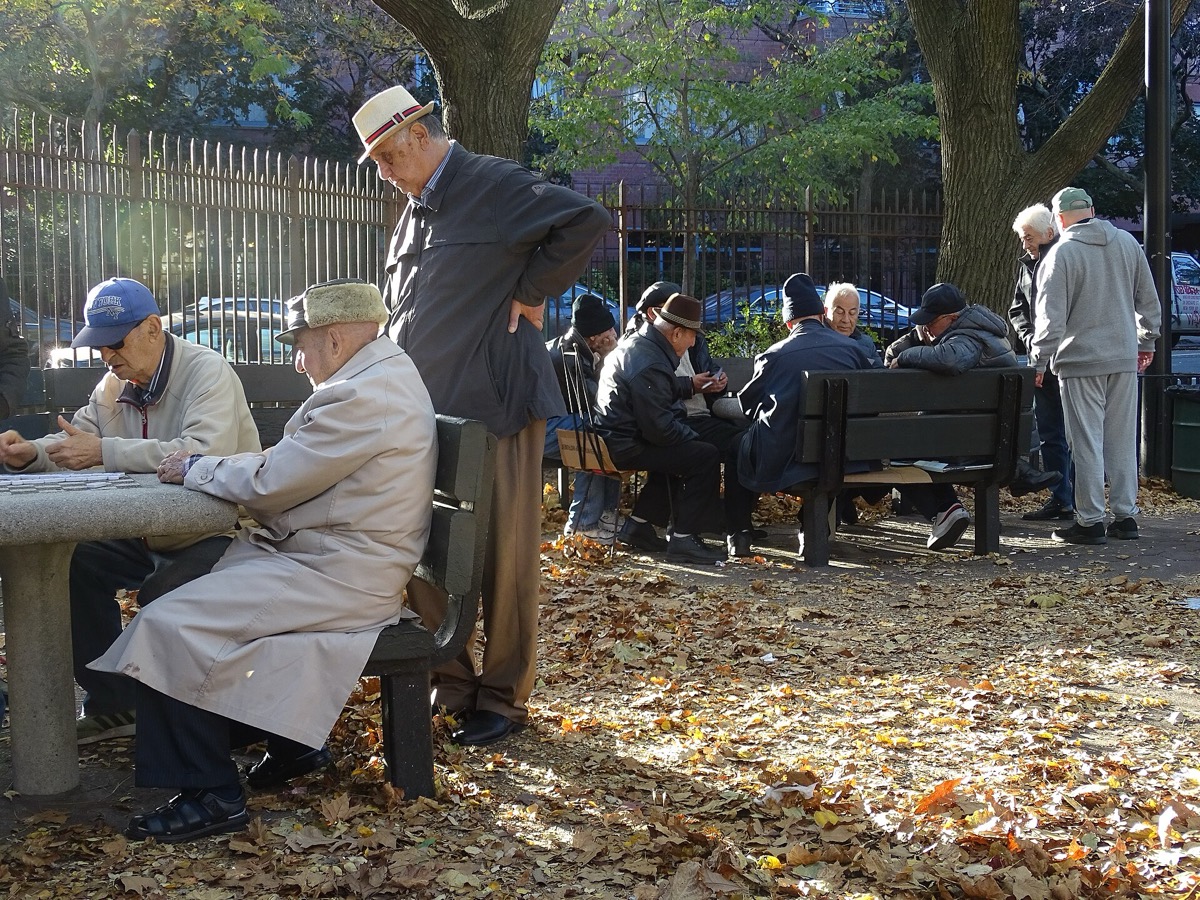
A sounds like entertainment rather than a tool for medical teaching. It does force a person to decide, get it wrong and try again, which a leaflet never does. A review pooled 21 controlled trials with 6,554 participants between them. What came out of the pile?
Knowledge moved a lot, and bodies moved least. Averaged across the trials the gain in health knowledge was large, while the gains in behavior and in biological health measures came out small to moderate. The around that knowledge figure was wide enough to include almost nothing. More than half the trials carried an unclear , and a third carried a high one.
A board game in a clinic sounds like a distraction for the waiting room, and it has been tested as teaching. The review gathered 21 controlled trials, randomized and not, covering 6,554 participants across different ages, countries and health topics.
The results sort into three steps: knowing, doing, and a change you can measure in the body. The average on knowledge was large, about 0.82 on a scale where 0.2 counts as small. Behavior came out at about 0.33, and biological health measures at 0.37, both small to moderate.
That ladder makes sense on its own terms, since information is easy to pass on, a habit is hard to shift, and a body responds slowly. What a game adds at the first rung is immediate feedback: the player chooses, learns the result at once, and the fact lands attached to a decision.
The caveat is heavy. More than half the trials were rated unclear for risk of bias and a third high, with just three rated low. The interval around the knowledge effect ran from 0.15 to 1.48, more than a tenfold span. Add games, ages and outcomes that barely resemble each other, and the honest reading is a promising direction in need of better trials.
wat. Across 21 trials, board games raised health knowledge most, and shifted behavior and body measures far less.
wat wat
Active learning can turn dry medical information into something a person remembers and practices, and a cardboard box costs almost nothing to put on a clinic table.
How do we know?
Gauthier and colleagues pooled 21 randomized and nonrandomized controlled trials, 6,554 participants in all, and scored every one of them for risk of bias with the Cochrane tool.
What is still unknown
The games, the ages and the outcomes differed enormously, and only three trials came out at low risk of bias. One average over that much variety is a direction rather than a prediction.
Learn something?
Where to next
 Who decides which of today’s memories you still have tomorrow?learning
 Is there an age after which you can no longer learn to echolocate?learning
 Did a brain scan prove that writing by hand teaches better than typing?learning