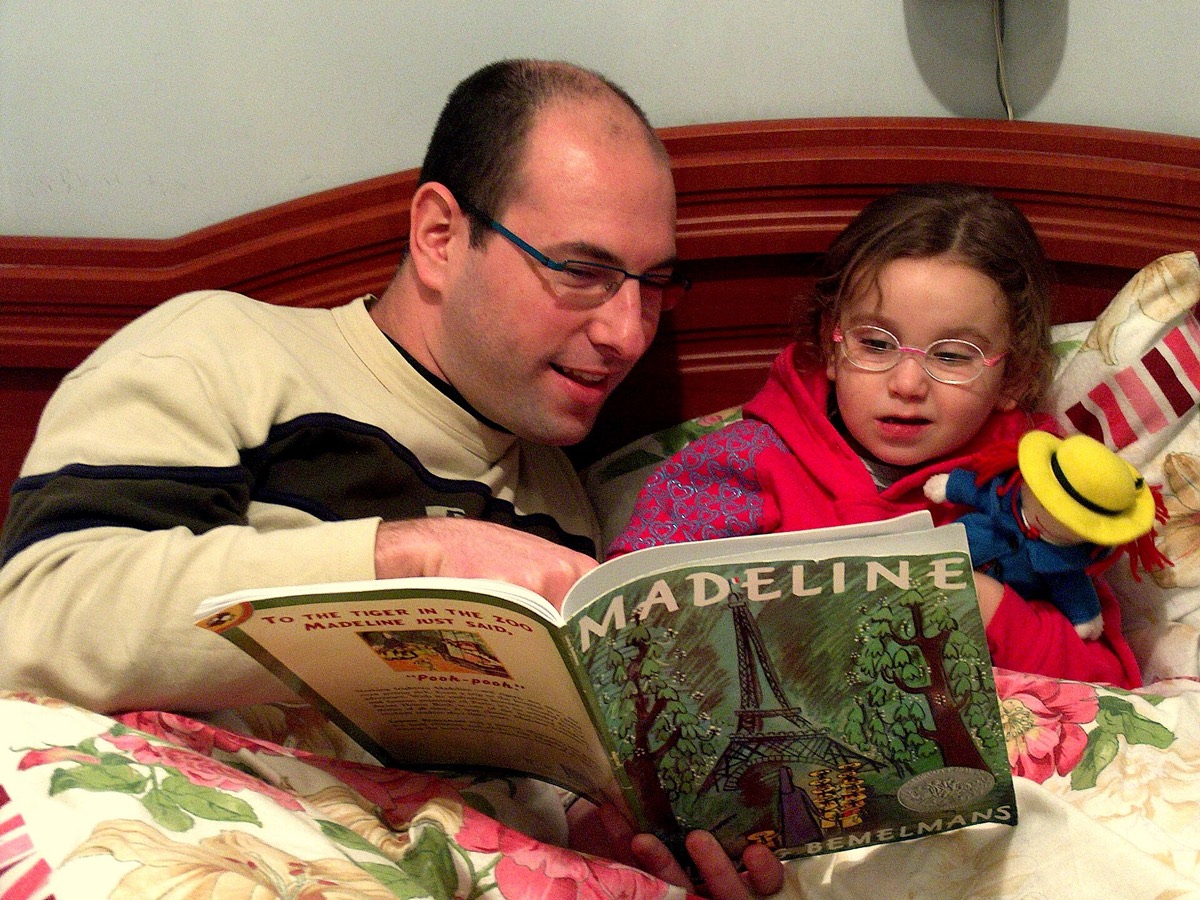
Every parenting book recommends a consistent , and it almost always arrives bundled with sleep training, so nobody had tested the routine by itself. Two age-matched trials put that right. 405 mothers of children between seven and thirty-six months kept a week of baseline, then drew either a specific nightly routine or their usual one. Can the routine alone carry the effect?
The routine alone was enough. Problematic sleep behaviors fell significantly in the infants and in the toddlers, with shorter time to fall asleep and fewer and briefer . improved most, meaning the unbroken stretch after the child first went down. The mothers’ own mood improved too, on a standard mood inventory, which is no small addition for anyone awake at two in the morning.
A consistent bedtime routine is among the most repeated pieces of parenting advice there is, and it had never been tested on its own. It always came packaged inside a behavioral program, so any benefit could belong to the program instead.
Two age-specific three-week studies ran in parallel, one with 206 children aged seven to eighteen months and one with 199 aged eighteen to thirty-six months, for 405 mothers in all. The first was a in which every mother followed her child’s usual routine. For the next two weeks the routine group followed a specific prescribed sequence, while the control group carried on as before.
Problematic sleep behaviors fell significantly for the infants and for the toddlers. Latency to sleep onset shortened, and the number and duration of night wakings both came down. Sleep continuity is where the gain concentrated, which matters more to a household than total hours, because it is the waking that wrecks a night rather than the length of it.
The mothers’ own mood improved as well, on the Profile of Mood States. Set against that, note where every number came from. Mothers recorded the routine, kept the diary and rated their own mood, with no objective sleep measure and no way to blind anyone to their group. A mother handed a routine to follow has every reason to notice it working.
wat. Three weeks, no sleep training, just the same sequence every night, and both the children’s sleep and their mothers’ mood improved.
wat wat
It isolates the cheapest component of every sleep program. No crying, no schedule, no technique to get wrong, and the effect was there with nothing else added to it.
How do we know?
Mindell and colleagues randomized 405 mothers and their children across two age-specific three-week studies, with one baseline week followed by two weeks of either a prescribed routine or the family’s usual one.
What is still unknown
Mothers reported both the routine they followed and the sleep they observed, with no objective sleep measure and no blinding, so expectation sits inside every outcome here.
Learn something?
Where to next
 Does the full moon really keep people awake?sleep
 What happens to the talk in a home when a toddler’s screen time goes up?toddlers
 Does REM sleep solve the problem, or only rearrange it?sleep