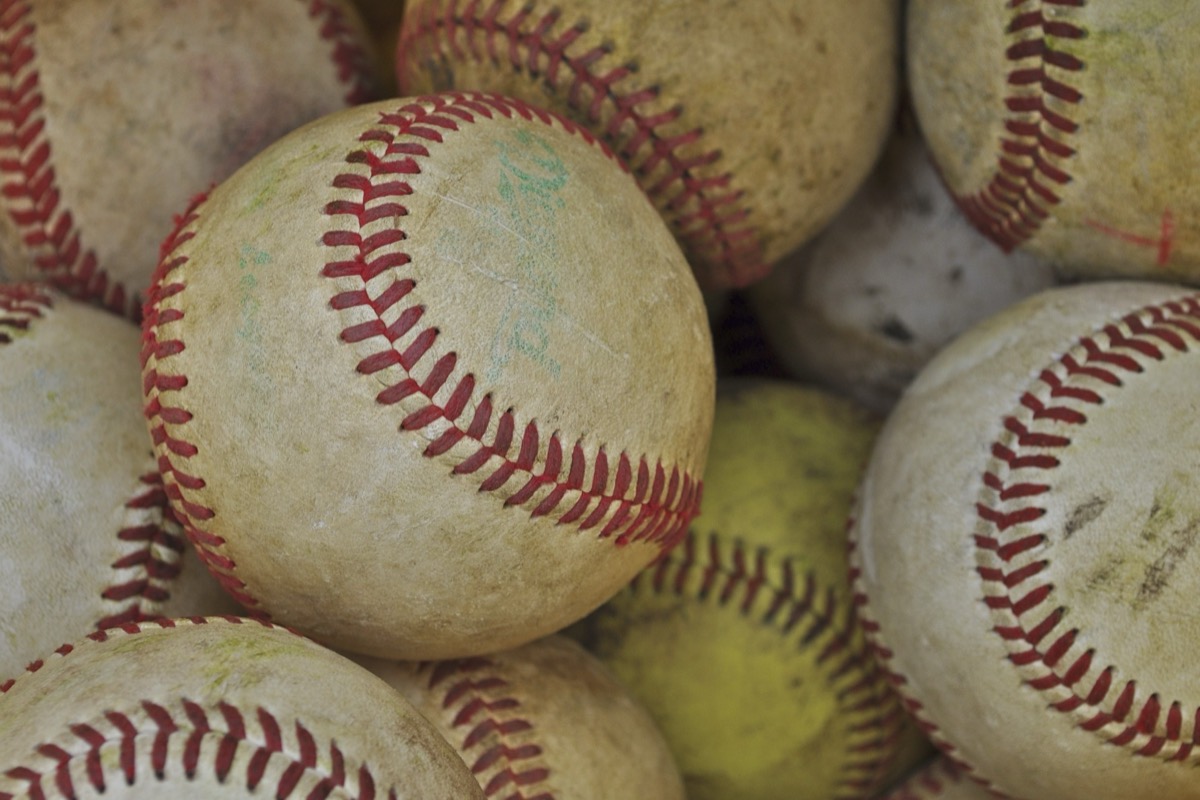
Because nothing synthetic has replaced it. Before it leaves a pitcher’s hand, every ball in Major League Baseball is massaged with a finger-sized dollop of Lena Blackburne Baseball , scooped from a secret location in New Jersey. The league has tried and failed to find substitutes more than once.
Researchers at the University of Pennsylvania took the mud into the lab and found no magic ingredients. What they did find was the right ratio of : enough to smear evenly, like a skin cream, while staying gritty enough to give a pitcher extra grip. Nothing about its mechanical properties or mineral composition stood out as unusual.
Before it flies from a pitcher’s fingers, every ball thrown in a Major League Baseball game is massaged with a finger-sized dollop of mud, to improve its grip and remove its . It is always the same mud: Lena Blackburne Baseball Rubbing Mud, scooped up in buckets from the same secret location in New Jersey. The league has tried and failed to find multiple times.
Geophysicist Douglas Jerolmack, an expert on landscapes and sediments, learned about it in 2019 when a sports journalist asked whether he could analyze the stuff for a story about those failed attempts. He could not stop thinking about it afterward. Years later, with the materials researcher Shravan Pradeep in his lab, the question was taken up properly.
In a series of experiments the team detailed the mud’s mineral composition, its mechanical properties, and its effects on the stickiness and grip of baseballs. What they found was a particular ratio of clay to water to sand. The result smears evenly, like a skin cream, while being gritty enough to give pitchers some extra grip.
The notable part is what was absent. Nothing about the mud’s mechanical properties or mineral composition stood out as particularly magical, and as Jerolmack put it, nothing surprised them. Useful natural properties from ordinary geomaterials turn out to be the whole explanation. One caution: this comes through a news report of the study rather than the paper, and a negative finding does not explain why the synthetic attempts failed.
wat. The magic mud turned out to be exactly the right proportions of clay, sand and water.
wat wat
It is a case where the lore survives the analysis without being vindicated by it. The mud works, and it works for ordinary reasons that happen to be hard to hit by accident in a factory.
How do we know?
A team led by geophysicist Douglas Jerolmack ran a series of experiments detailing the mud’s mineral composition, its mechanical properties, and its effects on the stickiness and grip of baseballs.
What is still unknown
Reported through a news article about the study rather than the paper itself, and the finding is a negative one. Showing that nothing unusual is present does not explain why synthetic substitutes have failed.
Learn something?
Where to next
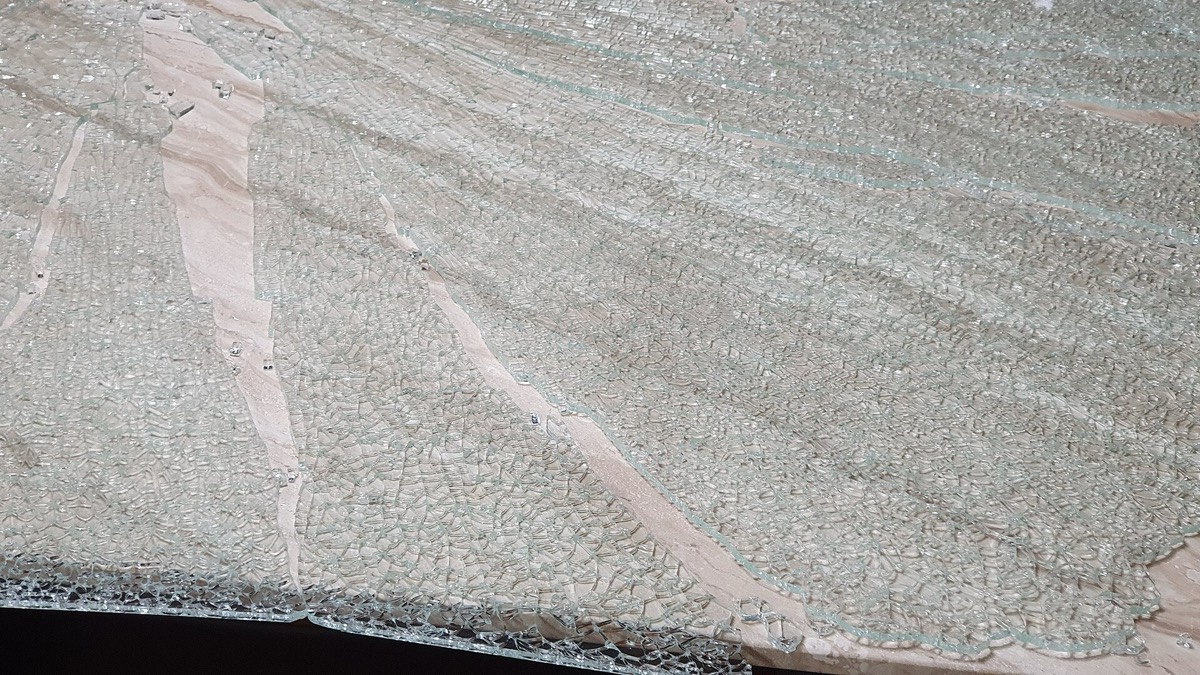 Why does a toughened window crumble into thousands of small pieces instead of long blades?materials
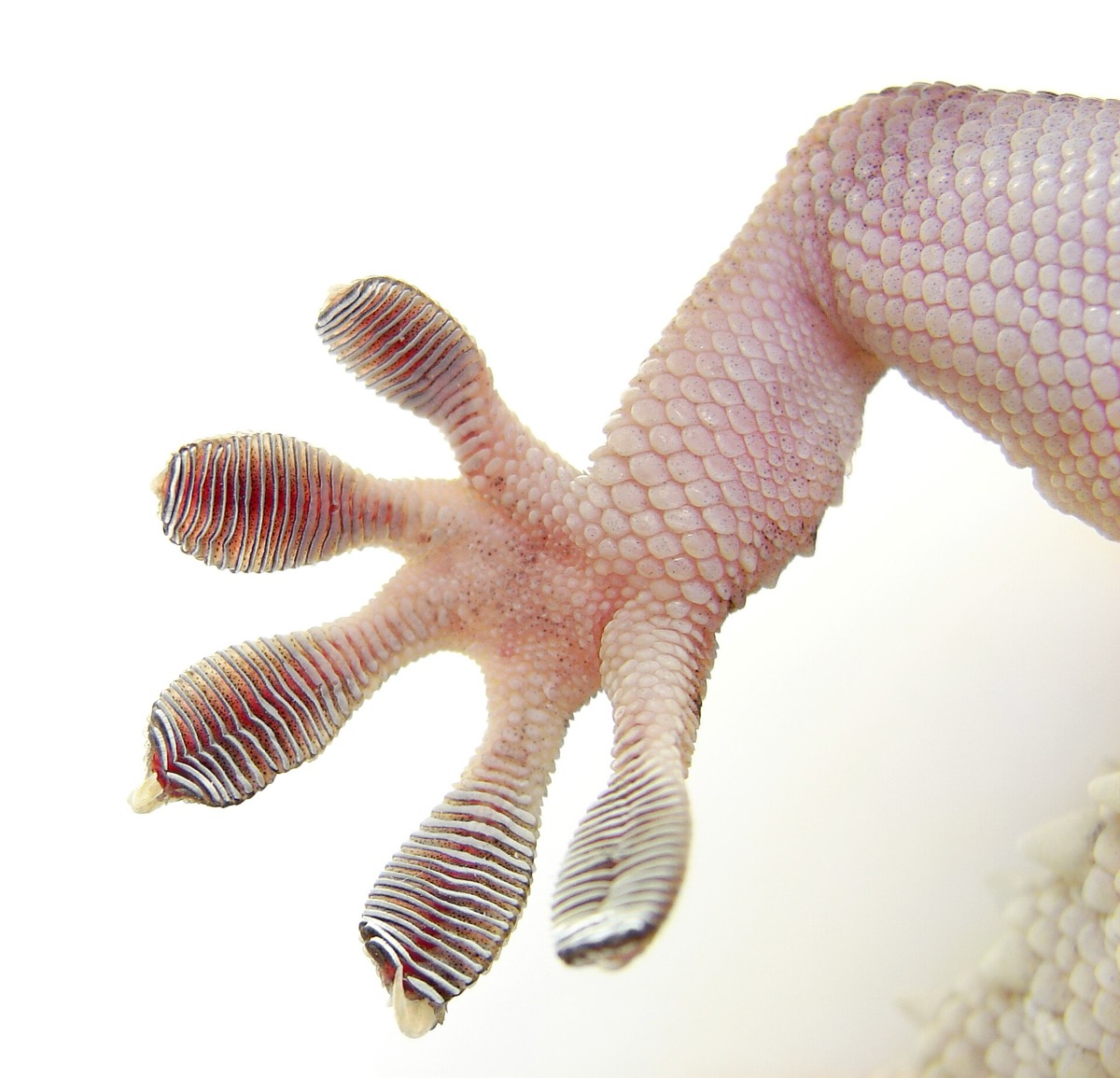 A gecko runs across a smooth ceiling with no glue. What holds each step?materials
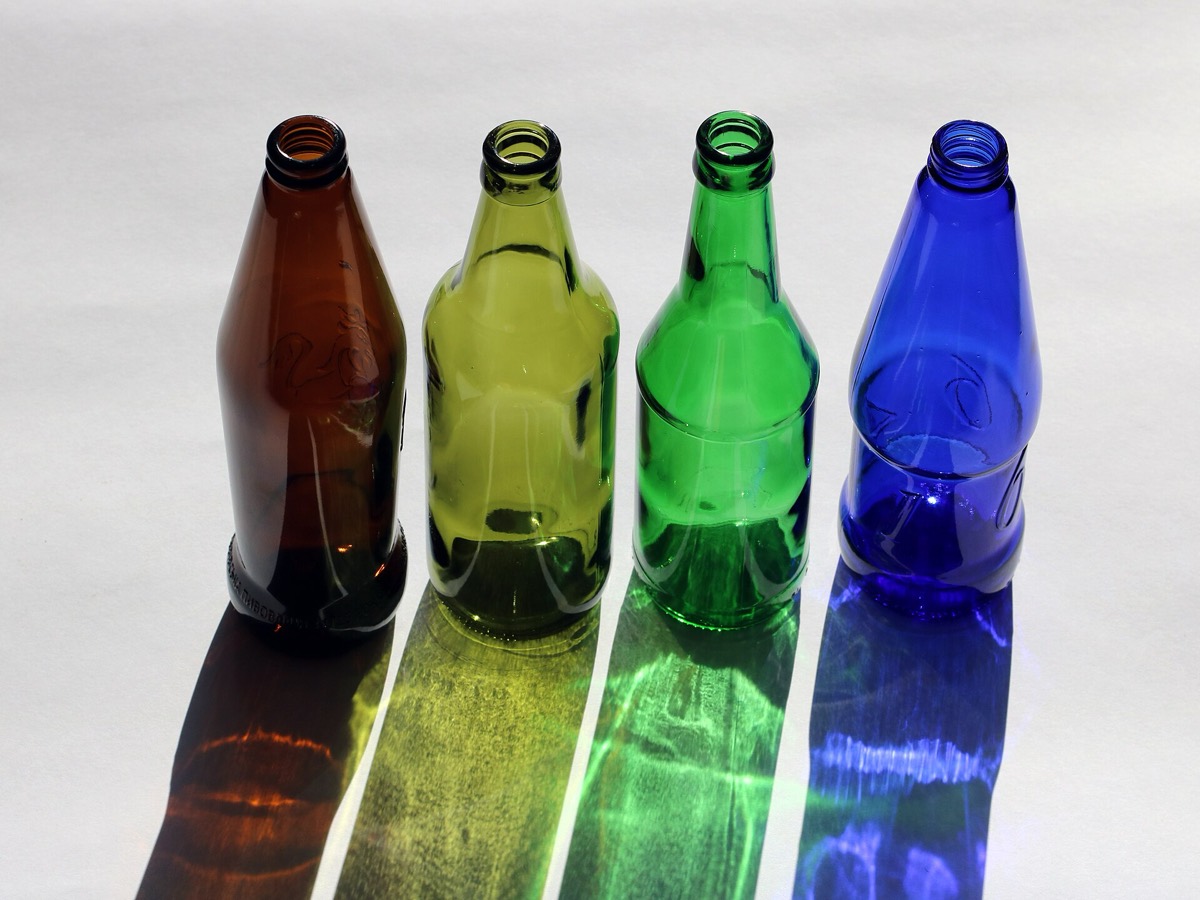 Full or empty, which beer bottle survives the impact?materials