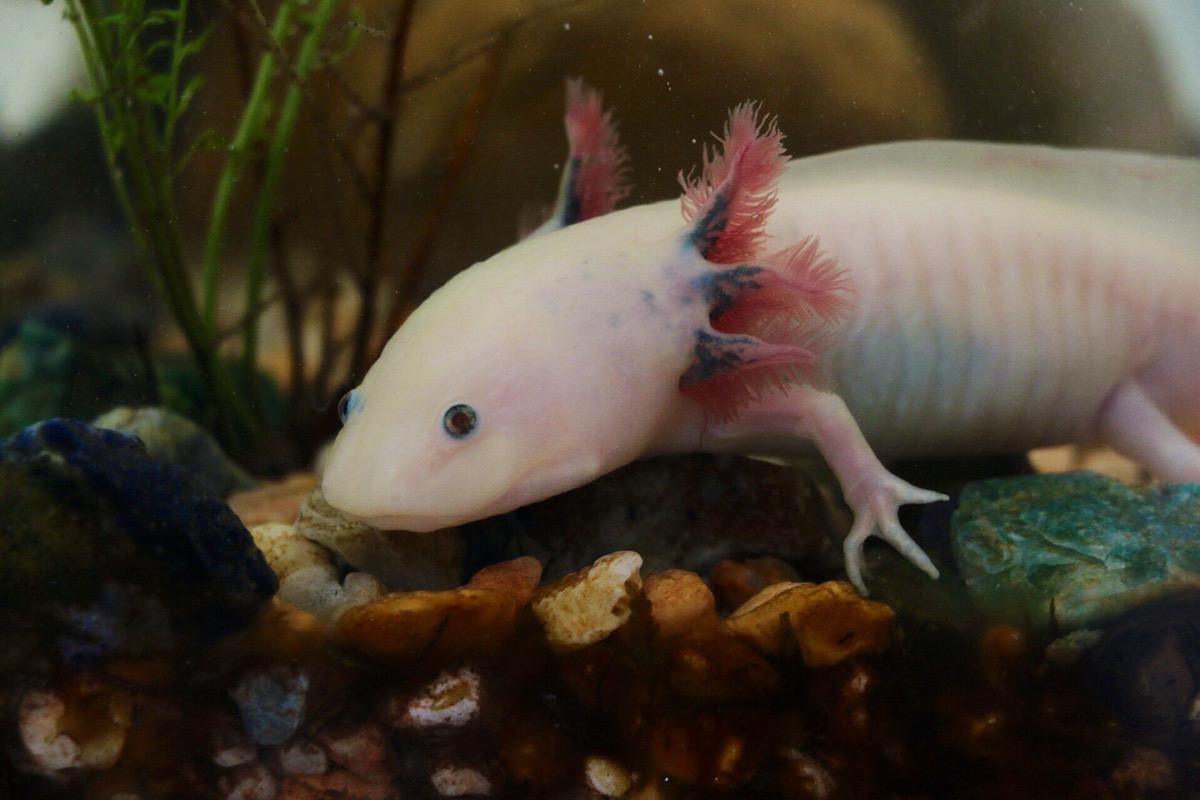
When a mammal is injured the body closes the wound fast with scar tissue, which saves lives and blocks any rebuilding. In an something else entirely happens at the cut. What gets built there?
Cells at the cut step back to a less specialized state, which is what means, and form a lump called a . Out of that lump, bone, muscle, blood vessels and nerves are rebuilt in the right order and the right proportion. The result is a working limb and not a substitute for one. The same animal can also repair parts of its heart and its spinal cord.
To see what is unusual here, set it against what happens in us. An injured mammal closes the wound fast, with scar tissue. It is a good strategy, since speed prevents infection and blood loss. The price is that the new tissue is not the same as what was there.
In an axolotl that stage is postponed. Instead of a scar, a lump of cells called a blastema forms at the end of the cut, holding cells that have given up part of their specialization and returned to a more flexible state. From here building begins rather than closing.
The astonishing part is not the growth but the order. Out of the lump come bone, muscle, blood vessels and nerves, in the right sequence, in the right proportion, and at a size that suits the limb that was there. The experiment that shows this best is moving a blastema from one site to another: it builds what was meant to grow where it came from, which is to say it knows where it is.
Which is also why applying it is hard. Understanding the difference between and rebuilding is one of the central questions in regenerative medicine. But that very capacity, cells losing their identity and dividing fast, is also the definition of a tumor. Mammals are not axolotls, and even with the mechanism fully worked out, nothing guarantees it could be run safely in us.
wat. Instead of a scar he grows a blastema, a lump of cells out of which bone, muscle and nerve are built again.
wat wat
Understanding the difference between healing by scar and rebuilding is one of the central questions in regenerative medicine.
How do we know?
Tracking labeled cells through the regrowth shows which cells each tissue comes from. The axolotl genome has been sequenced, which allows the genes active here to be set against a mammal’s.
What is still unknown
Mammals are not axolotls. Even with the full mechanism identified, nothing guarantees it could be switched on in a human body without risking uncontrolled growth.
Learn something?
Where to next
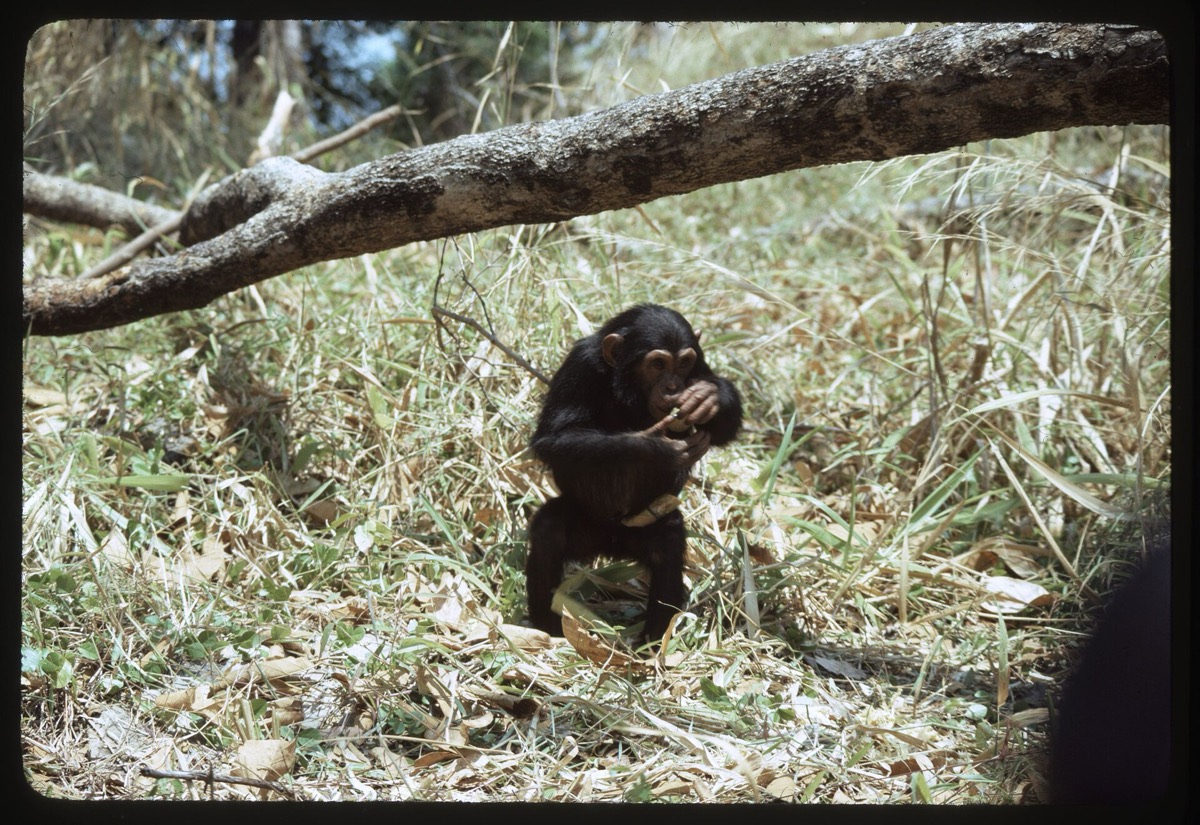 Are chimpanzees eating bark because it is medicine?medicine
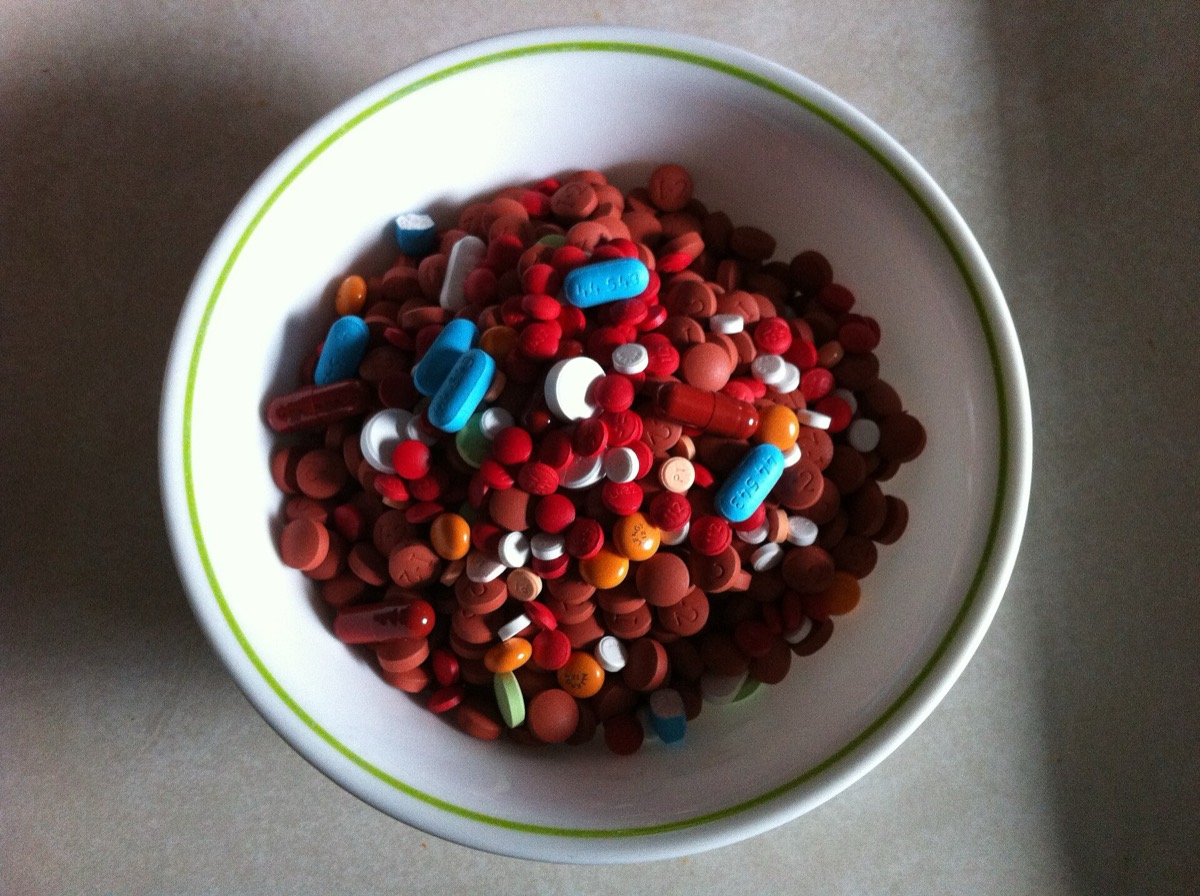 Does a placebo still work if you are told up front that it is one?medicine
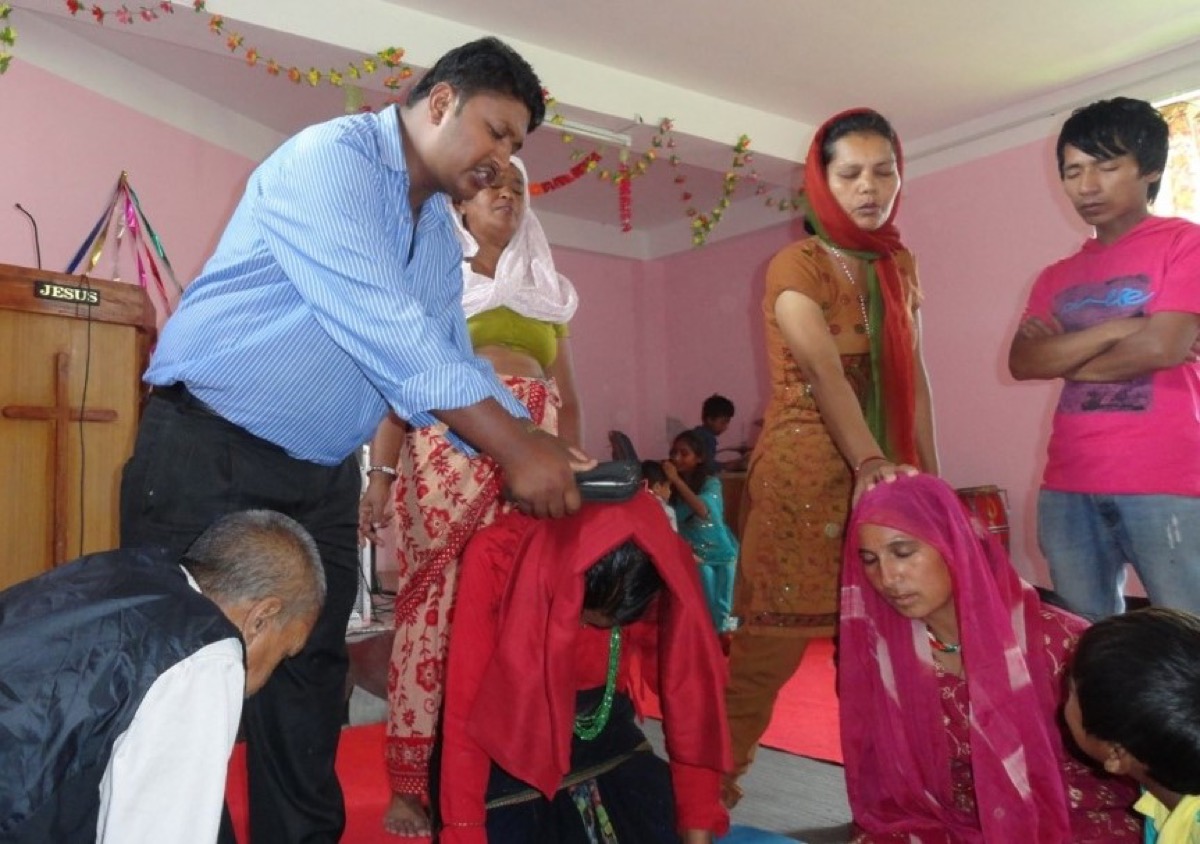 Does prayer at a distance change recovery from heart surgery?medicine